The Truth About Light Flicker
Light Basics
The Nature of Light
Light is a form of energy that travels in waves, much like ripples spreading across a pond. But unlike water waves, light doesn't need a medium to travel through. It can zip through the vacuum of space. This is because light is a type of electromagnetic radiation, a stream of energy that has both electric and magnetic fields.
This electromagnetic radiation exists across a huge range of types, from long, low-energy radio waves to short, high-energy gamma rays. This entire range is called the electromagnetic spectrum. The light we can see with our eyes is just a tiny sliver of this vast spectrum.
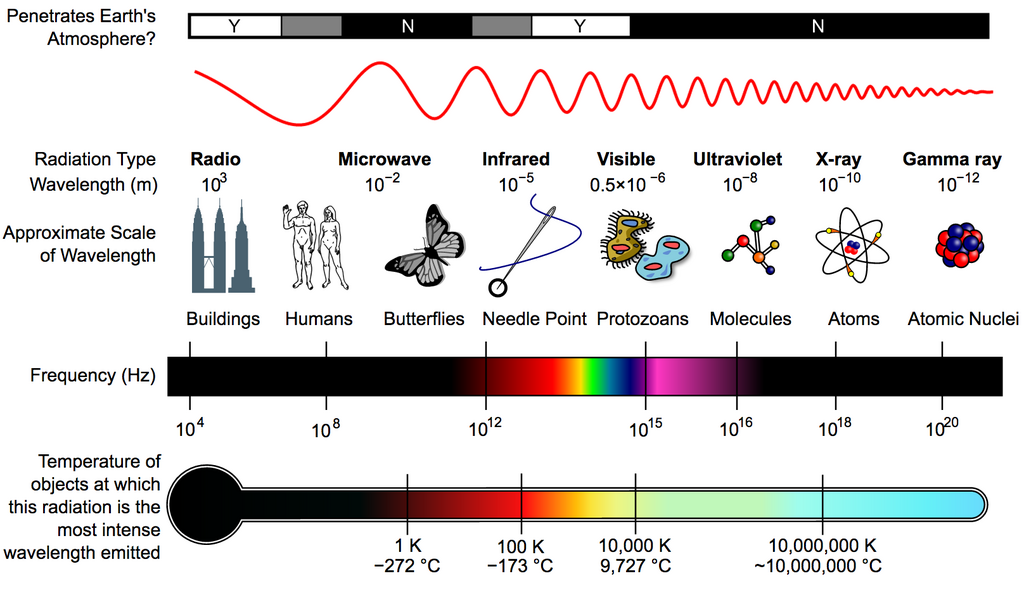
A Spectrum of Colors
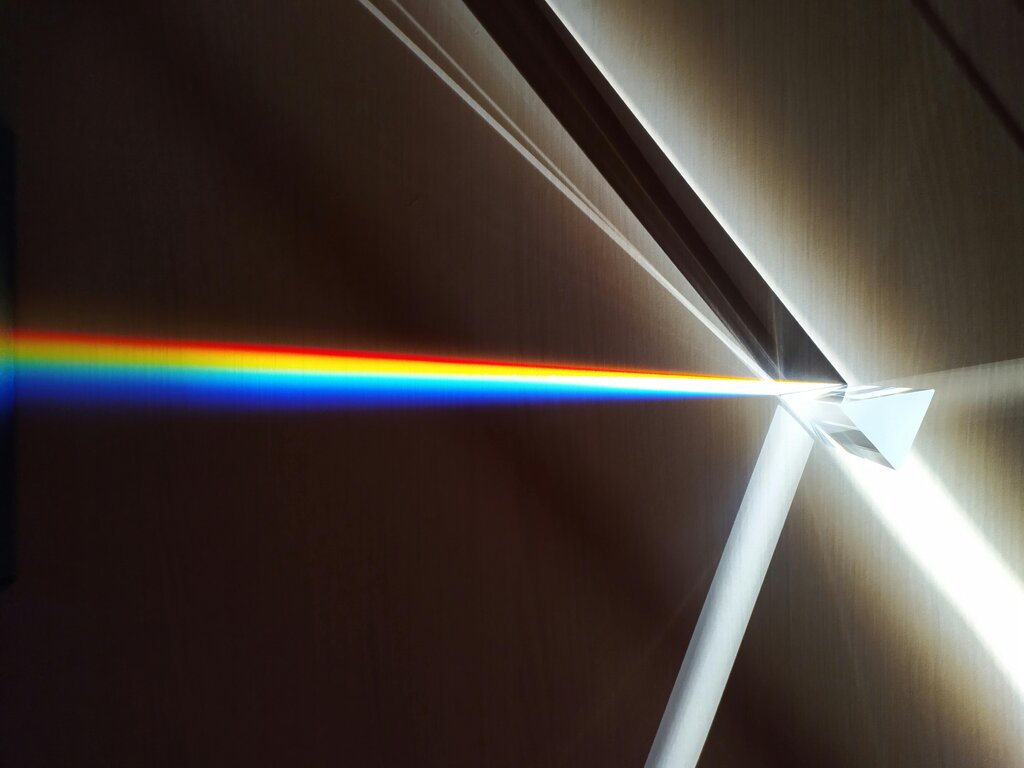
What we perceive as different colors are actually just different wavelengths of visible light. When you see a rainbow, you're seeing white sunlight split into its component colors. Each color corresponds to a specific wavelength.
Wavelength
noun
The distance between two consecutive peaks or troughs of a wave.
The colors of the visible spectrum always appear in the same order, from the longest wavelength to the shortest: red, orange, yellow, green, blue, indigo, and violet. A simple way to remember this is the acronym ROYGBIV.
Energy and Frequency
A light wave's wavelength is directly related to its frequency and energy. Frequency is the number of waves that pass a point in a given amount of time.
The relationship is simple: the shorter the wavelength, the higher the frequency, and the higher the energy. Conversely, a longer wavelength means lower frequency and lower energy.
Think of it like jumping rope. If you make long, slow waves with the rope, that's like a long wavelength. You don't use much energy. If you shake the rope quickly to make many small waves, that's a short wavelength, and it takes a lot more energy.
This means that violet light, with its short wavelength, is more energetic than red light, which has a long wavelength. Beyond the visible spectrum, ultraviolet (UV) light is even more energetic, while infrared (IR) light is less energetic.
What is the primary characteristic of light that determines the color we perceive?
Which of the following statements accurately describes the relationship between wavelength, frequency, and energy in a light wave?