The Truth About Apple Seeds
Apple Seed Composition
Inside an Apple Seed
Most of us toss the apple core, seeds and all, without a second thought. But inside each of those small, dark seeds is a dense package of nutrients. While not a typical snack, apple seeds have a surprisingly complex chemical makeup worth exploring.
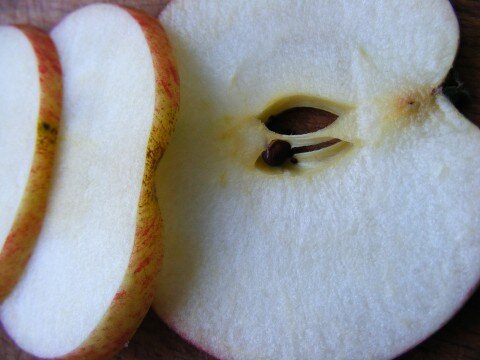
Let's break down what's inside.
A Nutrient-Dense Core
At the most basic level, apple seeds are made of macronutrients: fats, proteins, and carbohydrates. Unlike the flesh of the apple, which is mostly carbohydrates and water, the seed is built for energy storage. Its primary purpose is to fuel the growth of a new tree, so it's packed with high-energy molecules.
The bulk of an apple seed is oil, making up a significant portion of its weight. This oil is rich in unsaturated fatty acids, similar to those found in other healthy plant-based fats. Protein is the next major component, providing the essential building blocks for a new plant. Carbohydrates, including a good amount of dietary fiber, make up the rest.
Beyond the major nutrients, apple seeds also contain a variety of micronutrients. These are the vitamins and minerals that organisms need in smaller quantities.
| Mineral | Key Role in the Body |
|---|---|
| Potassium | Regulates fluid balance and nerve signals |
| Magnesium | Supports muscle function and energy production |
| Phosphorus | Builds strong bones and teeth |
| Iron | Helps carry oxygen in the blood |
| Calcium | Essential for bone health and cell signaling |
The seeds contain these minerals in trace amounts, reflecting the nutrient profile of the soil and environment where the apple tree grew. They also contain some B vitamins, which are crucial for converting food into energy.
Bioactive Compounds
Apple seeds also contain special plant compounds called polyphenols and flavonoids. These are not essential for keeping us alive in the same way as vitamins or minerals, but they play a protective role in both plants and the animals that eat them.
In the apple seed, these compounds act as a defense mechanism, protecting the delicate genetic material inside from damage. When consumed, they can function as antioxidants in our bodies. Antioxidants help neutralize unstable molecules called free radicals, which can cause cell damage if their levels become too high.
Think of antioxidants as cellular bodyguards, protecting cells from damage caused by environmental stress and metabolic processes.
The specific polyphenols in apple seeds contribute to a range of potential health benefits, including anti-inflammatory effects. While the quantity in a few seeds is small, it's part of the overall package of beneficial compounds found in whole fruits.
Ready to test your knowledge?
What is the primary macronutrient that constitutes the bulk of an apple seed's weight?
How does the nutritional composition of an apple seed primarily differ from the flesh of the apple?
So, while you probably won't be eating them by the handful, the tiny apple seed is a great example of how nature packs a lot of nutrition into a very small package.