The Trump Phenomenon
Business Background
Building an Empire
Before he was a politician, Donald Trump was a real estate developer. He learned the business from his father, Fred Trump, whose company focused on middle-class housing in New York City's outer boroughs. Donald, however, had his sights set on Manhattan's glitzy skyline.
After taking control of the family business in the 1970s, he renamed it The Trump Organization and pivoted towards high-profile, luxury projects. His first major success was the renovation of the Commodore Hotel into the Grand Hyatt New York. This project showcased his strategy: using government connections and tax incentives to finance ambitious developments.
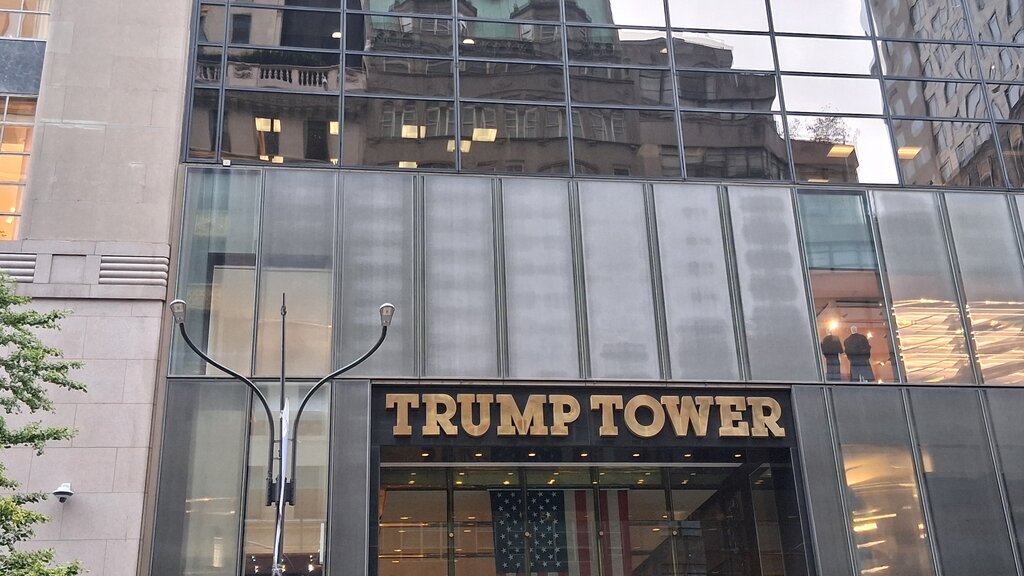
The signature project that cemented his public image was Trump Tower. Completed in 1983, the 58-story skyscraper was a statement of extravagant success, with its bronze glass exterior and marble-filled atrium. It wasn't just an office and residential building; it was a brand headquarters and a tourist attraction. He went on to acquire or develop other notable properties, including the Plaza Hotel and 40 Wall Street, often leveraging debt and his growing fame to seal deals.
From Boardroom to TV Screen
By the early 2000s, Trump had become a household name, but his business empire had faced significant challenges, including bankruptcies in his hotel and casino businesses. He found a new avenue to rebuild his image and fortune: reality television.
In 2004, 'The Apprentice' premiered. The show featured contestants competing for a job within The Trump Organization. Trump starred as the decisive, tough-talking boss whose catchphrase, "You're fired!", became a national sensation. The show was a massive success, running for 14 seasons.
'The Apprentice' did more than just generate television ratings. It rebranded Donald Trump as the ultimate symbol of business success for a new generation. The show presented a carefully crafted image of a powerful executive in a luxurious boardroom, making high-stakes decisions. This persona became inseparable from his public identity and proved incredibly valuable.
The Business of the Brand
The success of 'The Apprentice' supercharged Trump's primary business strategy in the 21st century: brand licensing. Instead of risking his own capital to build new properties from the ground up, he increasingly sold the right to use his name to other developers. Hotels and residential towers around the world paid fees to be branded with the TRUMP name, which was now associated with luxury and success thanks to his television fame.
Through licensing, the Trump name appeared on everything from skyscrapers and golf courses to steaks, mattresses, and bottled water.
This strategy shifted The Trump Organization from a traditional development company to a brand management and licensing firm. It allowed for rapid global expansion with lower financial risk. The name itself became the core product, a marketing tool that developers believed would attract buyers and command higher prices. This business model relied entirely on the public perception of Donald Trump as a successful and aspirational figure, an image he carefully cultivated first in real estate and then, much more broadly, on television.
Time for a quick check on what we've covered.
How did Donald Trump's real estate strategy initially differ from his father, Fred Trump's?
Which project was most significant in establishing Donald Trump's public image as a developer of extravagant success in the 1980s?
His career illustrates a clear shift from tangible assets like buildings to the more abstract, but highly profitable, asset of a personal brand.