The True Cost of Time
Introduction to Time Price
The Real Cost of Things
How much does a smartphone cost? You might say $1,000. But what if you thought about it differently? Instead of dollars and cents, what if you measured its cost in hours and minutes of your life?
This is the idea behind time price. It's a way to measure the value of goods and services based on the amount of time someone has to work to earn enough money to buy them.
Times-prices tell you how long you have to work to earn enough money to buy something.
Let's say a pizza costs $20 and you earn $20 an hour. The time price of that pizza for you is one hour of work. If your friend earns $40 an hour, the same pizza has a time price of just 30 minutes for them. It’s a personal and powerful way to understand cost.
A Window into the Past
Time price is especially useful for looking at how affordability has changed over time. Nominal prices, the sticker prices you see in a store, can be misleading. A brand new car in 1950 cost about $1,500, which sounds incredibly cheap today. But the average hourly wage back then was only about $1.50.
That means the time price of that car was about 1,000 hours of work. Today, a new $30,000 car for someone earning $30 an hour also has a time price of 1,000 hours. This perspective shows that while the dollar price has soared, the cost in labor time can be surprisingly similar for some items.
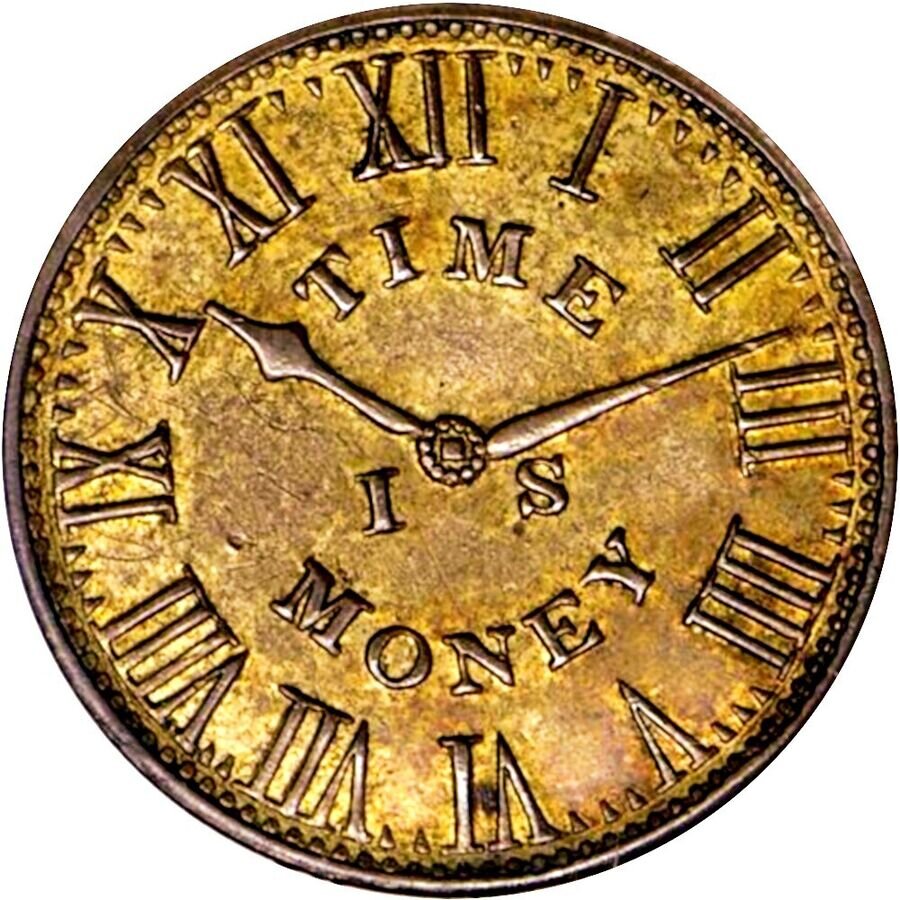
For many other goods, however, the time price has fallen dramatically. Think about a television, a refrigerator, or even a simple pair of jeans. Thanks to innovation and increased productivity, most of us have to work far fewer hours to afford these things than our grandparents did. This drop in time prices is a powerful sign of economic progress and a rising standard of living.
Time price cuts through the confusion of inflation to show the true change in affordability over decades.
Why It's a Better Measure
Analyzing the economy through time prices offers a clearer picture of our actual purchasing power. While news reports focus on rising prices (inflation) or wage growth, neither tells the whole story. What truly matters is the relationship between the two.
If your wages double but the price of everything you buy also doubles, are you better off? Not really. Your time price for most goods would remain the same. But if your wages increase faster than prices, your time prices fall, and you can afford more with the same amount of work. This is the essence of growing prosperity.
By shifting our focus from nominal prices to time prices, we gain a more accurate understanding of economic well-being and the true value of innovation over time.