The True Birth of AI
Introduction to Artificial Intelligence
What Is Artificial Intelligence?
Artificial intelligence, or AI, is the science of making machines that can think and learn like humans. It's about creating systems that can perform tasks that typically require human intelligence, such as understanding language, recognizing patterns, solving problems, and making decisions.
The broad term “artificial intelligence” refers to the simulation of human-level intelligence and thinking through the use of machines.
Think of it as a broad field of computer science, not a single technology. Under the umbrella of AI, there are many subfields, like machine learning and deep learning. These different branches allow computers to learn from data and improve over time without being explicitly programmed for every single task.
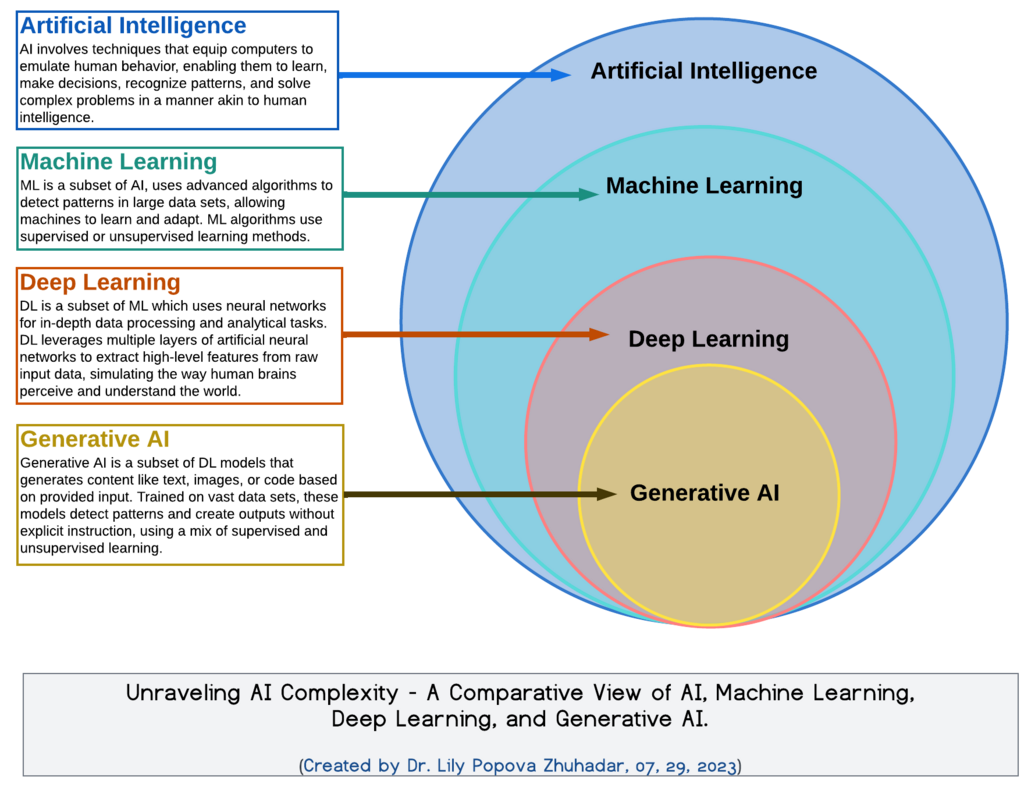
At its core, AI is built on algorithms. An algorithm is just a set of rules or instructions that a computer follows to accomplish a task. For an AI, these algorithms are designed to process massive amounts of information and find meaningful patterns within it.
Algorithm
noun
A process or set of rules to be followed in calculations or other problem-solving operations, especially by a computer.
Why AI Matters
AI is more than just a futuristic concept; it's already a part of our daily lives. It powers the recommendation engines that suggest what you should watch or buy next. It helps your email service filter out spam and enables your phone's digital assistant to answer questions.
Beyond personal convenience, AI is transforming entire industries. In healthcare, it helps doctors diagnose diseases earlier and more accurately. In finance, it detects fraudulent transactions and manages investments. Car manufacturers use AI to develop self-driving vehicles, and scientists use it to model complex systems like climate change.
For example, when a streaming service suggests a new show based on your viewing history, that's AI in action. It has analyzed your data, found patterns in your preferences, and made a prediction about what you'll enjoy.
This basic loop of input, processing, and output is fundamental to almost all AI applications. The real magic happens in the processing step, where the AI model uses what it has learned from past data to make intelligent choices or predictions.
The Building Blocks
So what does an AI need to work? Two things are essential: data and algorithms. Data is the raw material. It can be anything from images and text to sales figures and sensor readings. The more high-quality, relevant data an AI has, the better it can learn.
Algorithms are the engines that process this data. They are the carefully constructed instructions that enable the machine to learn, reason, and act. Together, data and algorithms form the foundation of every AI system.
Algorithms, models, neural networks, natural language processing (NLP), and training data are core building blocks of every AI system.
Now that you have a sense of what AI is and why it's important, let's check your understanding.
What is the primary goal of Artificial Intelligence?
What are the two most essential components that form the foundation of every AI system?
This is just the beginning. Understanding these basics sets the stage for exploring the fascinating history of AI and how it has evolved into the powerful tool it is today.