The Triffin Dilemma and Global Trade
Triffin Dilemma Mechanics
The Dollar's Double-Edged Sword
The global economy runs on U.S. dollars. Countries use them for international trade, banks hold them in reserve, and commodities like oil are priced in them. This massive, constant demand for dollars creates a peculiar problem. To supply the world with the liquidity it needs, the United States must send more dollars out than it takes in. The primary way to do this is by running a persistent trade deficit—buying more goods and services from the world than it sells.
This creates a fundamental conflict. The world's need for dollars is at odds with the health of the U.S. domestic economy. This is the core of the , a paradox where the country whose currency serves as the global reserve must run a deficit, undermining long-term confidence in that very currency. Foreign countries, having earned dollars from their exports to the U.S., don't just sit on the cash. They use it to buy U.S. assets, particularly safe ones like Treasury bonds. This constant demand for U.S. financial assets keeps the value of the dollar artificially high.
The original impetus for the SDR included concerns about a national currency’s ability to reconcile the need for global liquidity provision with confidence in its role as the world’s reserve currency – what economists call the “Triffin dilemma”.
How Financial Demand Drives Deindustrialization
A strong dollar makes foreign goods cheaper for Americans and American goods more expensive for everyone else. This simple fact has profound consequences. It creates a powerful incentive to import goods rather than produce them domestically. Over time, this structural pressure hollows out a nation's manufacturing base. Factories close, supply chains move overseas, and industrial jobs disappear. This isn't a temporary market fluctuation; it's a direct result of the dollar's global role.
The 'Exorbitant Privilege' of issuing the world's reserve currency comes with what some call the 'Exorbitant Curse'. While the U.S. can finance its government deficits and consumer spending cheaply, the cost is paid by its own industrial sector. The financial system booms, attracting global capital and talent, while the manufacturing heartland withers. This creates a feedback loop: as financial dominance grows, industrial decline accelerates, reinforcing the nation's reliance on imports and financial services.
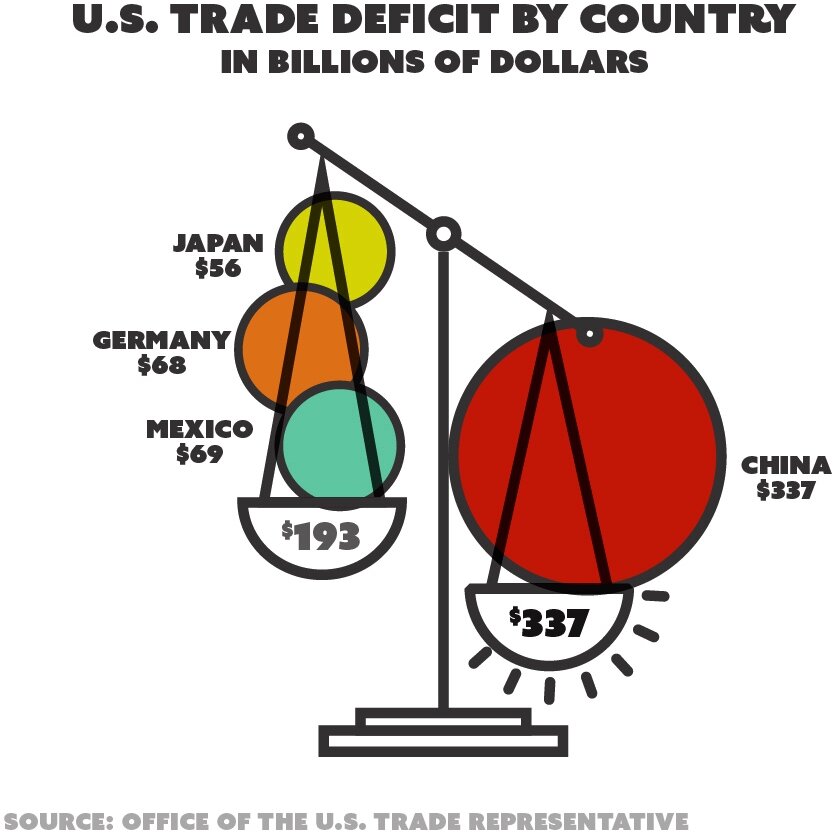
This self-reinforcing cycle is not an accident but a structural feature of the current global monetary system. The dollar's role as the anchor of world finance necessitates a system where the anchor nation slowly exports its productive capacity in exchange for the ability to consume and borrow on favorable terms.
Let's test your understanding of these mechanics.
What is the core conflict described by the Triffin Dilemma?
What is the primary way the United States supplies the dollars needed for the global economy?
Understanding this dilemma is key to grasping the tensions in the global economy, from trade disputes to debates about the future of money.