The Travel Creator Economy
Introduction to the Creator Economy
The Rise of the Individual Creator
Not long ago, if you wanted to be a writer, filmmaker, or musician, you had to go through a gatekeeper. A publishing house, a movie studio, or a record label had to give you a shot. The internet, and specifically social media, changed all of that.
Today, anyone with a phone and an idea can create content and distribute it to a global audience. This shift has given rise to the creator economy: a system where independent creators—writers, artists, gamers, educators, and influencers—can earn a living from their work.
Creator Economy
noun
An economy built by independent content creators, social media influencers, and curators who monetize their skills, creativity, and community.
This isn't just a niche market. The creator economy is a significant part of the digital landscape, with a market size estimated to be over $250 billion in 2023 and projected to nearly double by 2027. It represents a fundamental change in how media is produced, consumed, and monetized.
From Blogs to Billions
The creator economy didn't appear overnight. It evolved over two decades, fueled by new technologies and platforms.
Early 2000s: The journey began with blogs. Platforms like Blogger and WordPress allowed individuals to publish their thoughts online. Early creators built audiences through writing, but monetization was limited, often relying on simple banner ads.
Mid-2000s to Early 2010s: The launch of YouTube in 2005 and the rise of social media platforms like Facebook and Twitter were game-changers. Video became a dominant medium, and YouTube's Partner Program (launched in 2007) was one of the first systems to allow creators to earn a share of ad revenue. This was the birth of the "YouTuber" as a career path.
Mid-2010s to Present: The explosion of platforms like Instagram, TikTok, Twitch, and Substack created new ecosystems for different types of creators. Instagram gave rise to the visual influencer. Twitch became the home for live-streaming gamers. Substack empowered writers to launch paid newsletters. This phase moved beyond just ads, introducing more direct ways for creators to earn from their audience.
The key technology driving this has been the platform itself. These companies built the infrastructure for hosting content, attracting an audience, and, crucially, handling payments. They created a middle layer that connects creators directly with their fans.
Who Are the Creators?
The term "creator" is broad. It covers a wide spectrum of individuals who produce digital content. While there's overlap, we can group them into a few general categories.
| Creator Type | Primary Platform(s) | Main Focus |
|---|---|---|
| Influencers | Instagram, TikTok, Facebook | Lifestyle, fashion, beauty, comedy. They build large followings and monetize through brand partnerships. |
| Vloggers/Streamers | YouTube, Twitch | Entertainment, gaming, education. They create video content, often building strong communities. |
| Writers & Journalists | Substack, Medium, Ghost | In-depth analysis, newsletters, fiction. They often rely on direct subscriptions from readers. |
| Artists & Musicians | Patreon, Bandcamp, Spotify | Creating original art or music. They monetize through memberships, sales, and streaming royalties. |
| Educators & Experts | Skillshare, Teachable, YouTube | Teaching a specific skill, from coding to cooking. They sell courses or offer tutorials. |
What unites these diverse roles is their direct relationship with their audience. Unlike traditional media, where the relationship is with a network or publication, a creator's primary asset is their community.
How Creators Make Money
Monetization is no longer a one-size-fits-all model. Successful creators often build multiple streams of income to create a stable business. This diversification is key to long-term success.
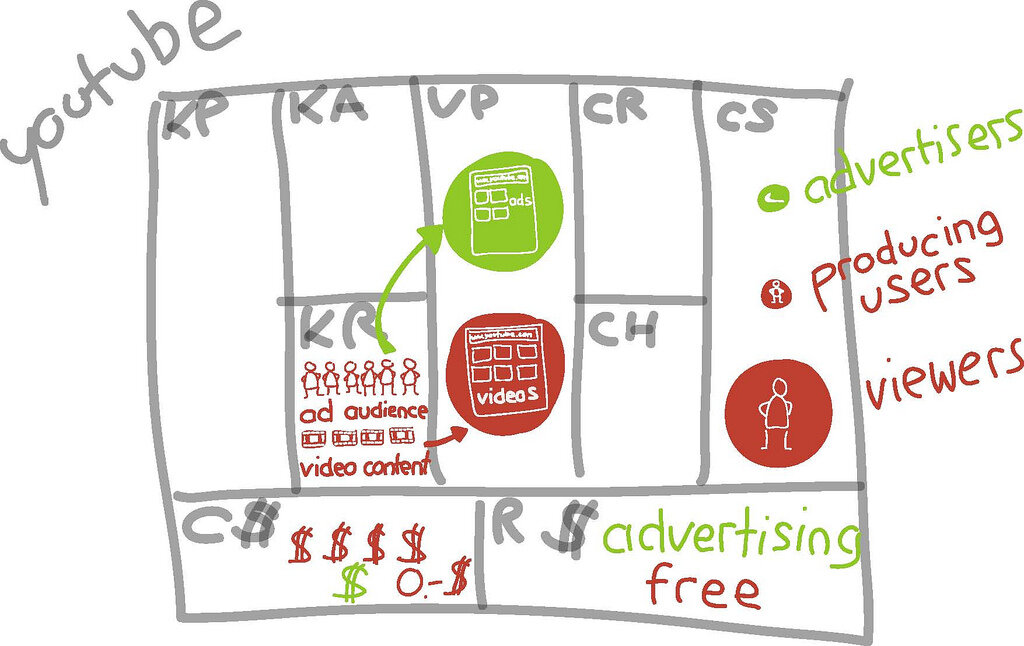
Here are some of the most common strategies:
- Advertising Revenue: This is the classic model, especially on platforms like YouTube and Facebook. Creators get a share of the ad revenue generated from views on their content.
- Sponsorships & Brand Deals: Brands pay creators to promote their products or services. This can be a one-off post or a long-term partnership. It’s a primary income source for many influencers.
- Affiliate Marketing: Creators earn a commission when their audience purchases a product using their unique link or code. This is common for product reviewers and lifestyle bloggers.
- Subscriptions & Memberships: Platforms like Patreon, Twitch, and Substack allow fans to pay a recurring fee for exclusive content, early access, or community perks. This creates a predictable, stable income.
- Selling Products: This includes physical merchandise (like t-shirts and mugs) or digital products (like e-books, photo filters, or software templates).
- Direct-to-Audience Sales: Think of selling online courses, offering coaching services, or getting tips and donations through platforms like Ko-fi or Buy Me a Coffee.
By leveraging a combination of sponsored partnerships, user-generated content, selling merchandise, and other revenue-generating avenues, creators of all ages and experience levels can thrive as social media entrepreneurs.
The most successful creators don't just pick one method; they build an ecosystem around their brand, where different monetization strategies support each other. For example, a YouTuber might use ad revenue as a base, supplement it with brand deals, and then sell merchandise to their most dedicated fans.
What fundamental shift, enabled by the internet and social media, led to the rise of the creator economy?
Which platform's Partner Program, launched in 2007, was one of the first systems to allow creators to earn a share of ad revenue, establishing a new career path?
The creator economy has democratized content creation, turning individual passion and expertise into viable careers. It's a dynamic space that continues to evolve as new technologies and platforms emerge.