The Transformer Architecture Explained
Introduction to Neural Networks
The Building Blocks
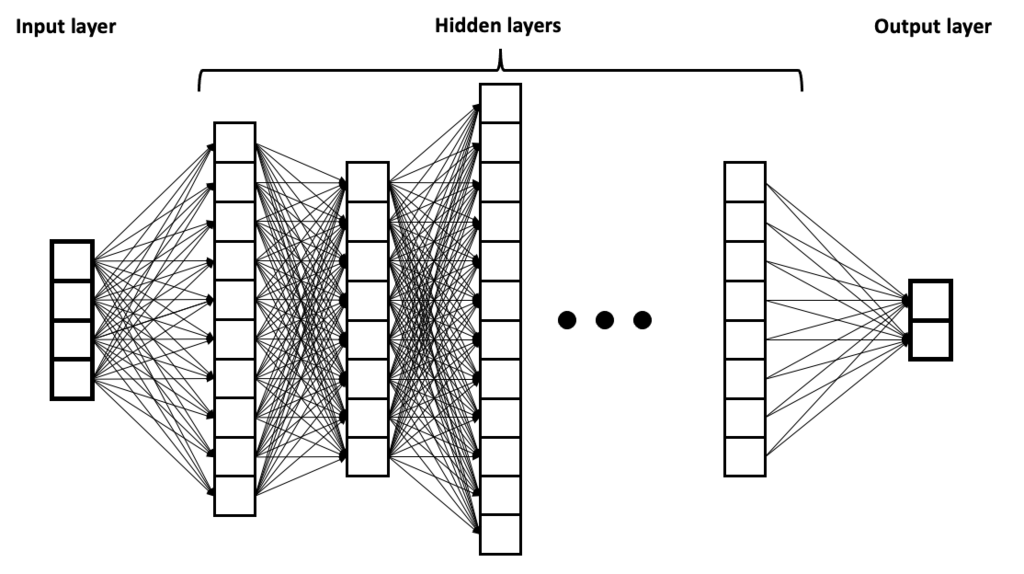
At the heart of modern AI are neural networks, systems loosely inspired by the human brain. They're not made of biological cells, but of simple computational units called neurons, organized into layers.
Neuron
noun
A mathematical function that gets one or more inputs, combines them, and passes the result to an output. It's the most basic processing unit of a neural network.
Imagine a simple network. It starts with an input layer, where data first enters the system. This could be anything from the pixels of an image to the words in a sentence. The data then flows to one or more hidden layers. This is where the real work happens. Neurons in these layers analyze the input, find patterns, and transform the information. Finally, the data reaches the output layer, which produces the final result, like a prediction or a classification.
Making Decisions
A neuron doesn't just add up its inputs. It needs a way to decide whether the signal it receives is important enough to pass on. This is the job of an activation function.
Think of it like a light switch. If the combined input signal is weak (below a certain threshold), the activation function keeps the switch off. The neuron stays silent. But if the signal is strong enough, it flips the switch on, and the neuron fires, sending its own signal forward. This simple on-off mechanism allows the network to make complex decisions by activating different combinations of neurons for different inputs. Without activation functions, a neural network would just be a complicated linear equation, unable to learn interesting patterns.
Activation functions introduce non-linearity, which is crucial for a network to model complex relationships in data.
So how does a network learn the right patterns? It starts out by making random guesses. When it gets an answer wrong, it needs to adjust its internal connections to do better next time. This learning process is called backpropagation.
It's like a team trying to solve a puzzle. When they make a mistake, the person at the end of the line says, "That's not right." This message is passed backward, and each person figures out how much they contributed to the error and adjusts their strategy. In a neural network, backpropagation calculates the error in the output and sends this error signal backward through the layers. Each neuron uses this signal to slightly tweak its connections, reducing its contribution to the overall error. This process is repeated thousands or millions of times, until the network's guesses become consistently accurate.
Different Tools for Different Jobs
Not all problems are the same, so we don't use the same type of neural network for every task. Over time, different architectures have been developed for specific kinds of data.
Feedforward Neural Networks (FNNs) are the most basic type. Information flows in only one direction, from input to output, without any loops. They're great for straightforward classification and regression tasks, like predicting house prices based on features like size and location.
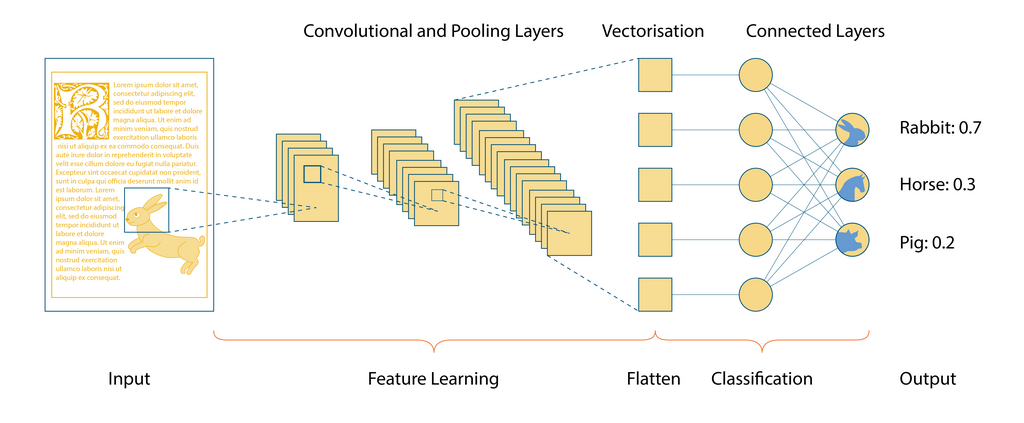
Convolutional Neural Networks (CNNs) are masters of visual information. They are designed to process data that comes in a grid, like an image. A CNN scans an image with small filters, or "kernels," to detect specific features like edges, corners, and textures. As the information moves through the layers, these simple features are combined to recognize more complex objects, like eyes, faces, or even specific types of animals.
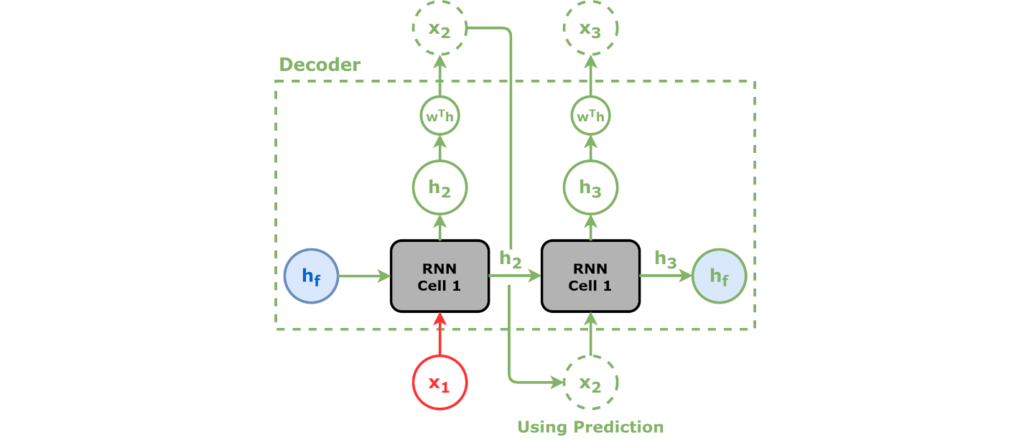
Recurrent Neural Networks (RNNs) specialize in sequences. Think of language, where the order of words matters, or stock prices, where past values influence future ones. RNNs have a kind of memory. They have loops in their structure that allow information to persist from one step in the sequence to the next. This lets them understand context and dependencies over time, making them ideal for tasks like machine translation or speech recognition.
These different architectures were each breakthroughs, but they also had limitations. The need to handle long, complex sequences more efficiently led researchers to develop a new kind of architecture, one that would soon revolutionize the field.
What is the primary function of an activation function in a neuron?
Which type of neural network is specifically designed to handle sequential data like text or time-series information?