The Train War
Introduction to Railway Warfare
The Iron Veins of War
Warfare has always been about movement. For centuries, armies moved at the speed of a marching soldier or a horse-drawn wagon. This fundamental limit shaped the size of armies, the length of campaigns, and the very nature of conflict. Then, in the 19th century, a new technology appeared that would change everything: the railway.
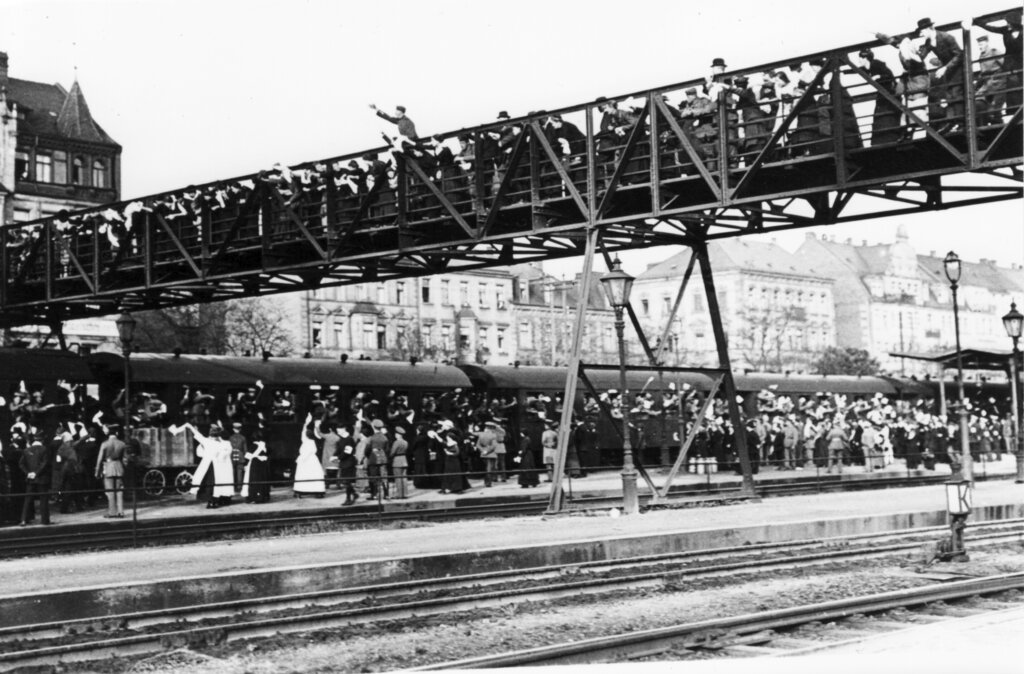
Railway warfare isn't about battles fought on top of train cars. It's about the strategic use of railroads to move troops and supplies. By harnessing the power of the steam locomotive, military planners could transport vast numbers of soldiers and immense quantities of equipment faster and more reliably than ever before. This innovation didn't just speed things up; it completely redefined the scale and pace of war.
A Revolution in Speed and Scale
Before railways, an army's reach was limited. A large force could quickly exhaust the food and resources of the local area, forcing it to stop or disperse. Supply lines were slow, vulnerable, and depended on thousands of animals. Campaigns were often seasonal, halting during winter or bad weather.
Trains changed this calculus entirely. An army could now be supplied from hundreds of miles away, drawing on the entire industrial and agricultural might of its nation. This allowed for the creation of massive armies that could stay in the field indefinitely. A continuous flow of ammunition, food, fresh troops, and medical supplies could be sent directly to the front lines.
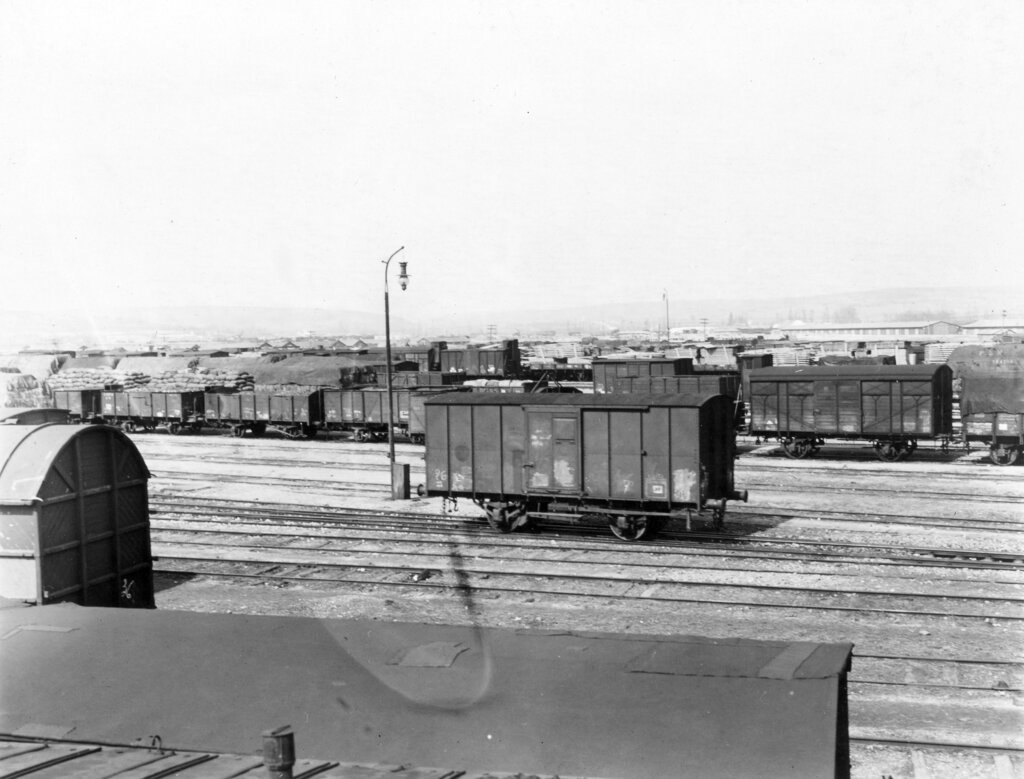
The ability to move troops rapidly also created new strategic possibilities. An entire army corps could be shifted from one front to another in a matter of days, allowing for surprise attacks and rapid reinforcements. A commander could concentrate overwhelming force at a critical point before the enemy had time to react. Distance, once the ultimate obstacle, was now something that could be managed and overcome.
Railways transformed the map of war. Suddenly, distance was measured not in miles, but in hours of travel time by train.
The New Arteries of Conflict
Because railways became so crucial, the rail network itself became a primary military target. Controlling key railway lines, junctions, and bridges was just as important as winning a battle. An army that controlled the rails could dictate the flow of the conflict, while an army cut off from its railway supply lines would quickly wither.
Destroying enemy rail lines became a standard tactic. Engineers would blow up bridges, tear up tracks, and burn down stations to paralyze the enemy's ability to move and resupply. Conversely, armies were accompanied by their own railway engineers, tasked with rapidly repairing damaged lines or even building new ones to support an advance.
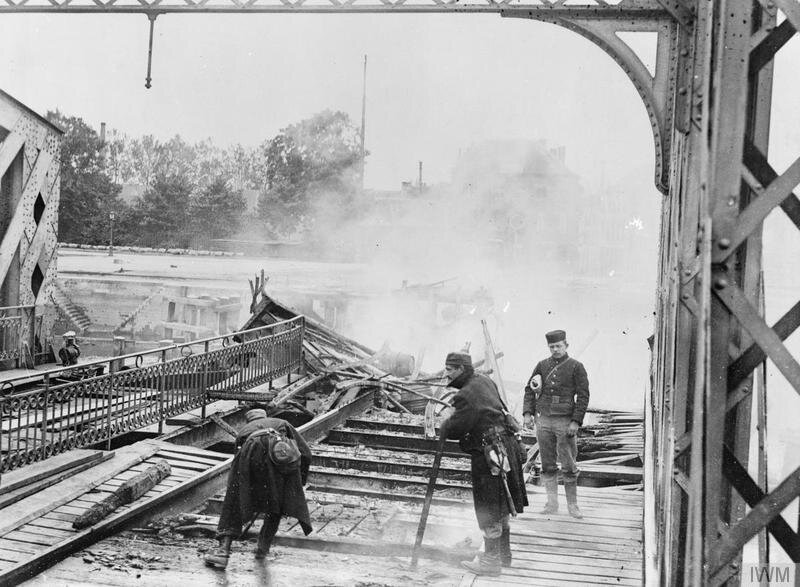
From the American Civil War to the massive conflicts of the 20th century, railways formed the backbone of military logistics. They were the iron arteries that pumped soldiers and materiel to the heart of the battle, fundamentally reshaping the geography and conduct of modern warfare.
What was the primary limitation on the size and duration of military campaigns before the introduction of railways?
How did railways fundamentally change military strategy regarding troop deployment?