The Tradition of Bullfighting
Origins of Bullfighting
From Worship to Spectacle
Long before the first matador ever stepped into a ring, the bull held a place of reverence and fear in the human imagination. Across the ancient world, this powerful creature was a symbol of strength, fertility, and divinity. Prehistoric cave paintings in places like Altamira, Spain, depict massive wild bulls, capturing their importance for early hunters.
In Mesopotamia and the eastern Mediterranean, bulls were central to religious life. They were sacrificed to the gods in elaborate rituals, believed to ensure good harvests and appease divine powers. The bull wasn't just an animal; it was a connection to the forces of nature.
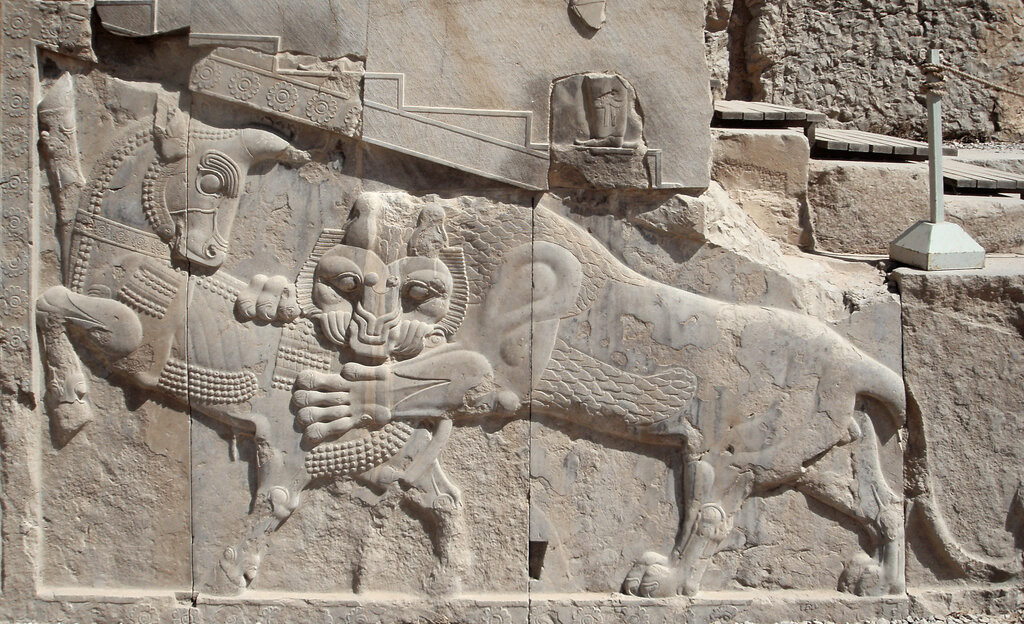
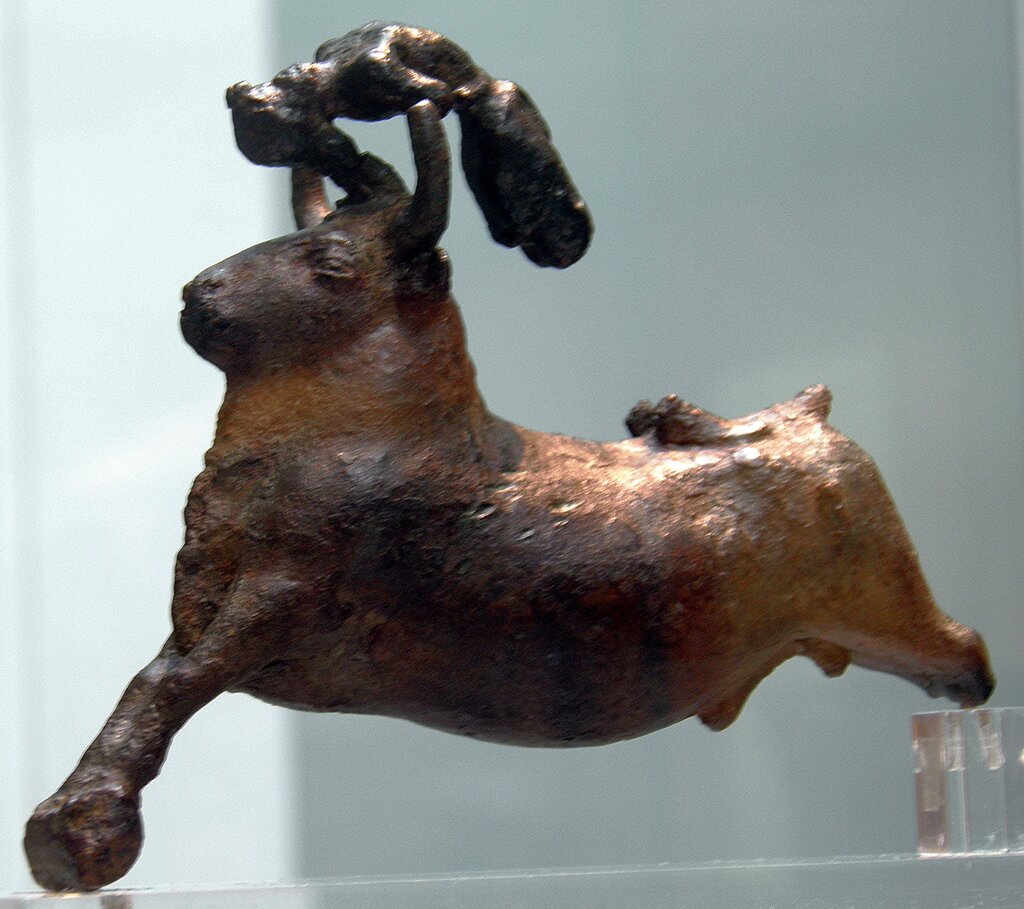
This reverence took a different form in the Minoan civilization on the island of Crete around 2000 BCE. Here, they practiced a daring ritual known as bull-leaping. Young men and women would somersault over the backs of charging bulls.
This wasn't a fight. The goal wasn't to kill the animal but to display incredible athleticism and courage. It was a highly ritualized performance, possibly tied to religious ceremonies, showcasing human agility in the face of nature's raw power.
The Roman Arena
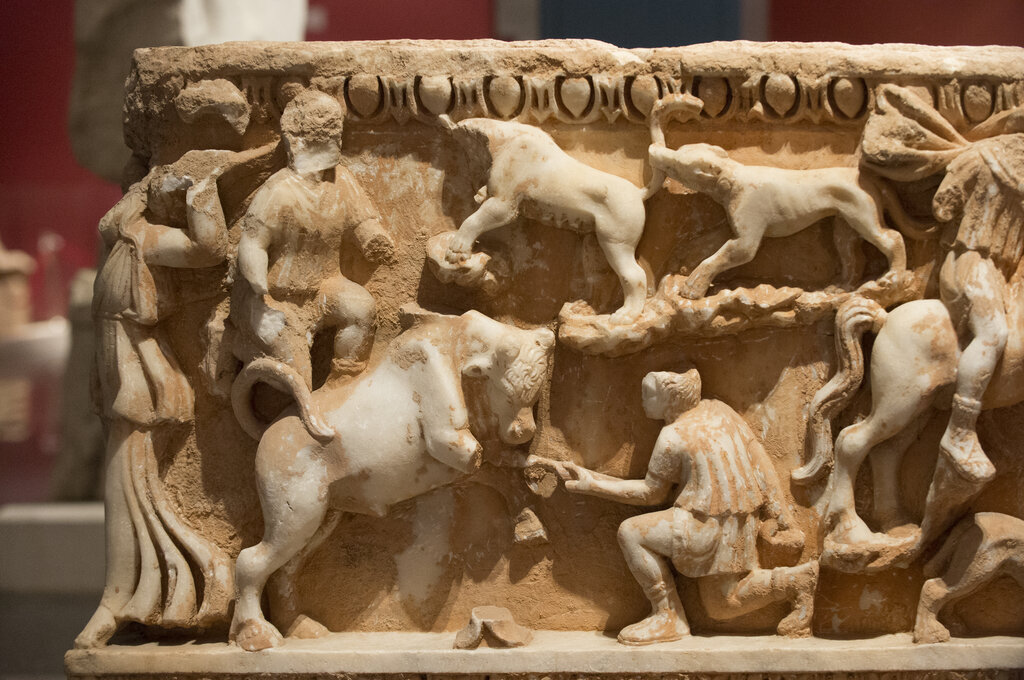
The Romans brought a different kind of spectacle to the table. In their amphitheaters across the empire, they staged venationes, or wild animal hunts. These events pitted trained hunters, called venatores, against all sorts of beasts, including bulls, for public entertainment. The focus shifted from ritual to bloody spectacle, a demonstration of the empire's power to capture and control the wildest creatures.
When the Romans conquered the Iberian Peninsula (modern-day Spain and Portugal), their traditions began to merge with local customs. The Iberians already had their own traditions involving bulls, and the Roman taste for arena events helped lay the groundwork for a new kind of public contest.
Forged in Medieval Spain
After the Roman Empire fell, these traditions continued to evolve. During the Middle Ages in Spain, fighting bulls became a sport for the nobility. Aristocrats on horseback would confront bulls with lances, a practice known as rejoneo. These events were often held to celebrate major occasions like royal weddings, military victories, or religious festivals.
This was a far cry from the team-based ritual of Minoan Crete or the mass slaughter of the Roman arena. It was becoming a structured test of a nobleman's skill, courage, and horsemanship. Over centuries, these aristocratic games gradually transformed, with commoners on foot eventually taking center stage, leading to the style of bullfighting that would become famous worldwide.
Let's review some key terms from the evolution of bullfighting.
Now, check your understanding of how these ancient practices shaped the modern tradition.
What was the primary purpose of the bull-leaping ritual in the Minoan civilization?
The Roman events known as venationes pitted trained hunters against wild animals, including bulls.
The journey of bullfighting is a long one, from sacred animal in ancient religions to a display of athletic prowess in Crete, a bloody public spectacle in Rome, and finally, a formalized contest for Spanish nobility.