The Titanic Disaster
Titanic's Historical Context
The Golden Age of Ocean Liners
At the dawn of the 20th century, the world was shrinking. Advances in steam power had turned massive steel ships into the primary mode of intercontinental travel, connecting Europe and North America like never before. These weren't just cargo vessels; they were floating cities, carrying business magnates, wealthy tourists, and waves of immigrants seeking a new life in the United States.
The North Atlantic shipping lanes became a fierce battleground for national pride and commercial dominance. Great Britain and Germany, the industrial powerhouses of the era, vied for control. Shipping companies became household names, and their grandest vessels were celebrities in their own right.
A Fierce Rivalry
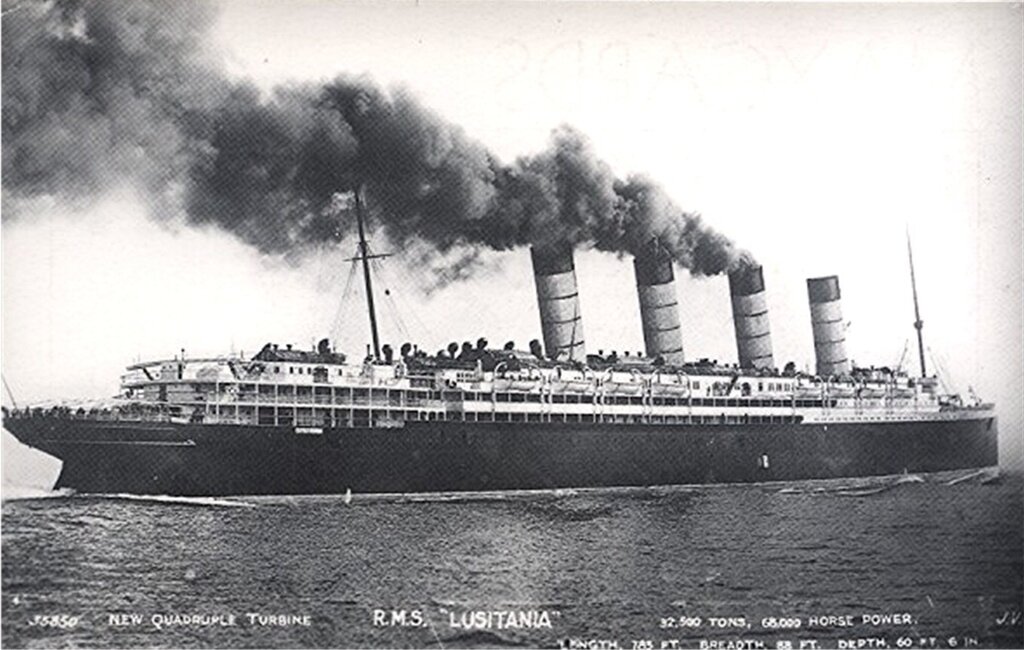
The main event in this contest was the rivalry between two British companies: Cunard Line and White Star Line. For years, they fought for the coveted Blue Riband, an award for the fastest transatlantic crossing. In 1907, Cunard launched two game-changing ships: the Lusitania and the Mauretania. They were astonishingly fast, powered by new steam turbine engines, and quickly captured the speed record.
White Star Line couldn't compete on speed. Their chairman, J. Bruce Ismay, knew he had to change the game. He met with Lord Pirrie, a partner in the Belfast shipyard Harland and Wolff, which built all of White Star's ships. Their plan was audacious: if they couldn't be the fastest, they would be the biggest and most luxurious.
They envisioned a new class of super-liners. This trio of ships, the Olympic, Titanic, and Britannic, would prioritize comfort and opulence on a scale never seen before. This decision directly led to the creation of the RMS Titanic.
Maritime disasters have shaped ocean travel for centuries, forcing governments and shipping companies to confront harsh realities about vessel safety.
A Floating Society
These new ships were designed to be microcosms of society, with a rigid class structure. First Class was the main attraction, designed to lure the world's wealthiest travelers away from competitors. It offered private suites, lavish dining rooms, swimming pools, and Turkish baths. The goal was to make the journey itself a destination.
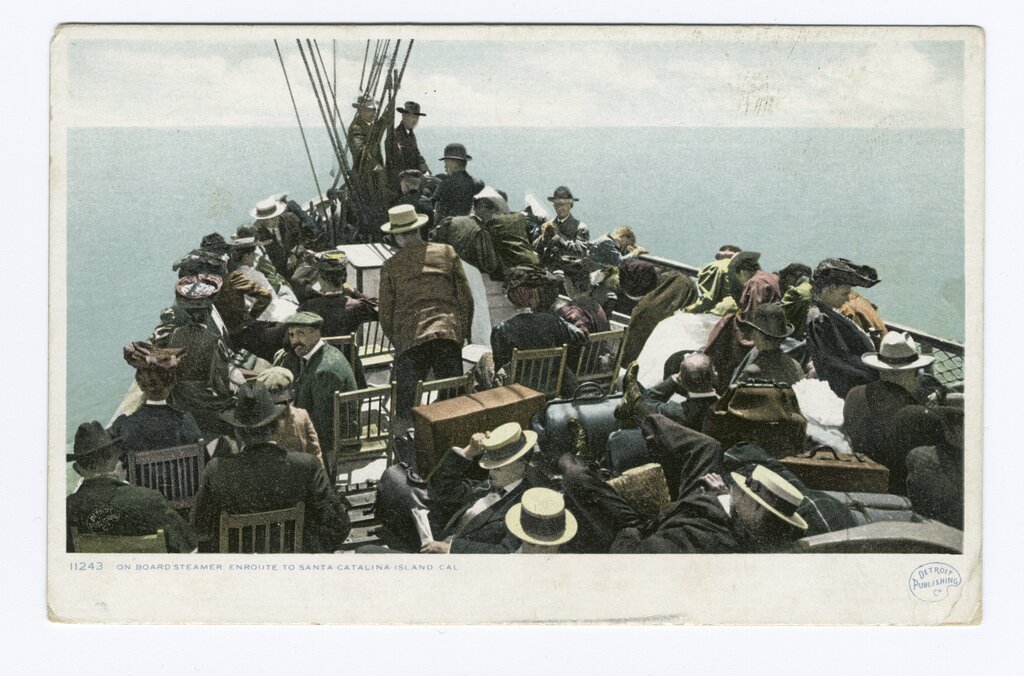
Second Class provided comforts that rivaled First Class on other ships, catering to professionals, clergy, and the middle class. But the economic engine of these voyages was Third Class, or steerage. Millions of people were emigrating from Europe to America, and shipping lines competed to carry as many as possible. While conditions were basic compared to the upper decks, they were a significant improvement over the cramped, unsanitary quarters on older ships. For thousands, a ticket on a liner like the Titanic was a ticket to a new world.
The shipbuilding industry boomed, fueled by this demand for bigger, better, and more luxurious vessels. It was an era of immense confidence in technology and engineering, setting the stage for both unprecedented achievement and unforeseen tragedy.