The Thrilling History of Horse Racing
Ancient Horse Racing
The First Laps
Long before horses were ridden for sport, they were a revolutionary force in warfare and transportation. Humans first domesticated horses on the vast steppes of Central Asia, and it wasn't long before they hitched them to wheeled carts. This innovation led to the chariot, a game-changer in ancient battles.
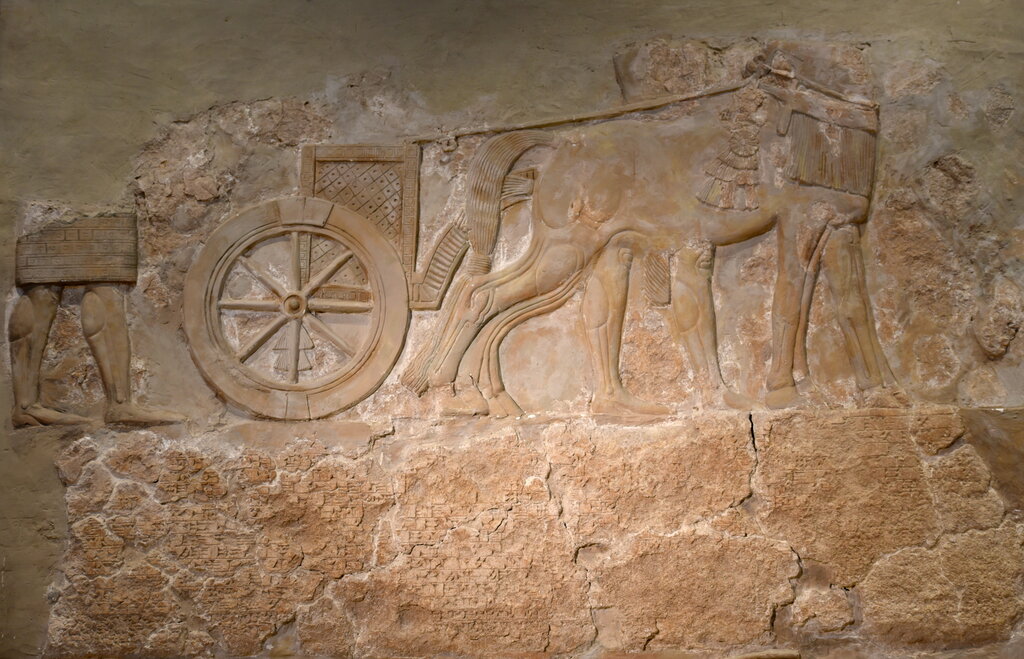
From the battlefields of Mesopotamia, the chariot found a new purpose: competition. The earliest forms of horse racing were likely informal contests among warriors, honing the skills needed for combat. Kings and nobles showcased their power and wealth through their stables of fine horses and ornate chariots. These were not just races; they were displays of dominance and divine favor.
Greek Games and Glory
In ancient Greece, horse racing galloped from military exercises into the heart of culture and religion. The most famous venue was the Olympic Games, where chariot racing became a premier event around 680 BCE. The races were held in a large open space called a hippodrome and were incredibly dangerous for both drivers and horses.
The most prestigious event was the tethrippon, a race for four-horse chariots. These powerful teams thundered around the track for twelve laps, with collisions and crashes being a common and often fatal spectacle.
Interestingly, the glory didn't go to the charioteer who risked his life on the track. Victory wreaths were awarded to the owner of the horses. This meant that wealthy citizens, and even women who were otherwise barred from competing, could earn the coveted title of Olympic champion. It was a sport of the elite, where the quality of one's horses was a direct reflection of status and fortune.
Spectacle in the Circus
No civilization embraced horse racing with the fervor of ancient Rome. The Romans transformed the Greek hippodrome into the colossal circus, an arena dedicated to mass entertainment. The most famous of these was the Circus Maximus in Rome, a massive stadium that could hold over 150,000 spectators.
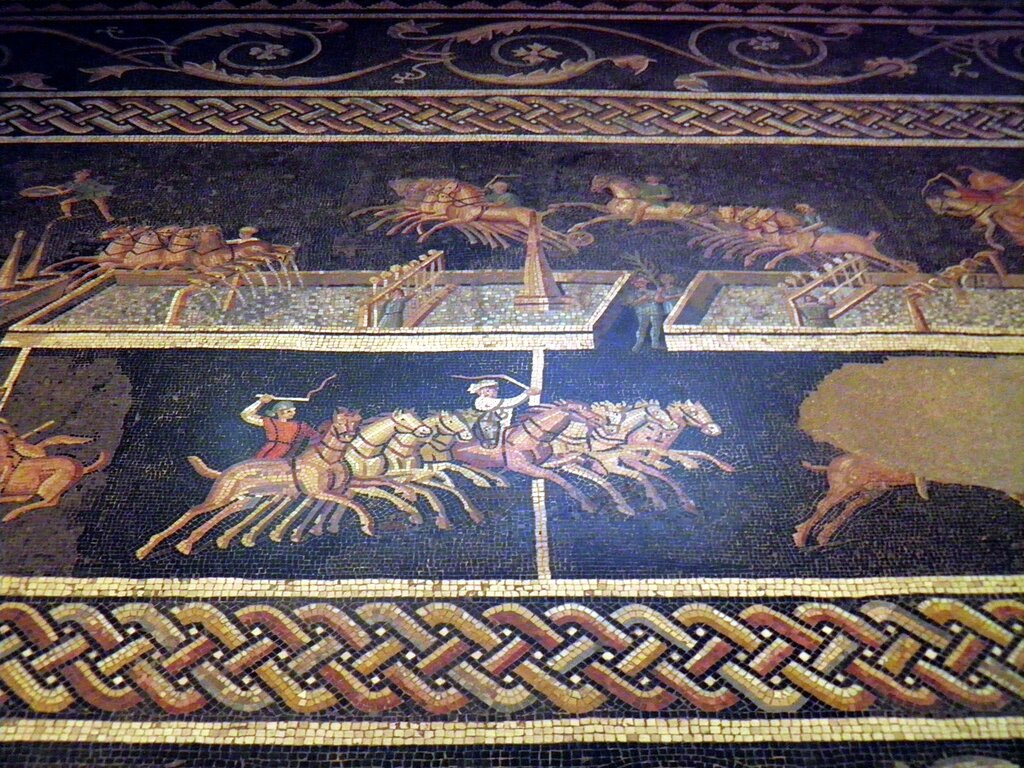
Roman chariot racing was a highly organized, professional sport. Drivers, often slaves or freedmen, belonged to one of four main factions, identified by color: the Reds, Whites, Blues, and Greens. Fans were fiercely loyal to their chosen color, and riots between rival supporters were not uncommon.
A day at the circus offered dozens of races, each a thrilling spectacle of speed and strategy over seven laps. The events were more than just sport; they were a key part of public life, funded by emperors and politicians to keep the populace happy. This was the famous policy of "bread and circuses," a way to provide entertainment and distract from political issues.
Galloping Across the Steppes
Meanwhile, in ancient China, horse racing evolved from a different set of needs. For centuries, Chinese dynasties contended with skilled nomadic horsemen from the northern steppes. This constant military pressure made horsemanship and breeding superior horses a matter of national security.
Organized racing emerged during the Zhou dynasty (c. 1046–256 BCE) as a way to assess and select the best horses for the cavalry. These events were a favorite pastime of the aristocracy. General Tian Ji, a famous military strategist from the state of Qi, is associated with a well-known story about using tactics to win a horse race against the king, highlighting the strategic thinking involved in the sport even then.
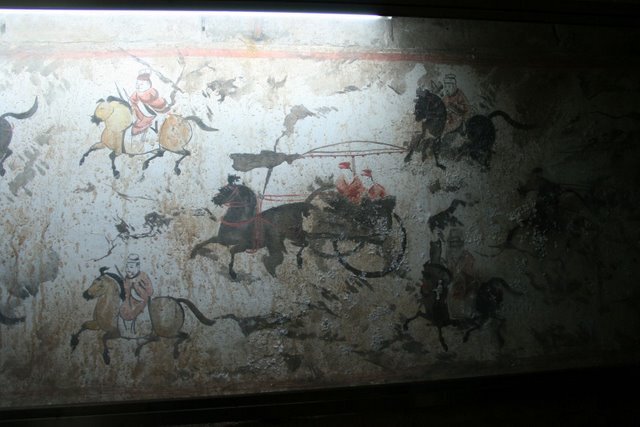
These early races were not just about speed but also about endurance and the skill of the rider. They were deeply tied to military readiness and the cultural importance of the horse. This foundation of skilled riding and horse breeding laid the groundwork for equestrian sports that would flourish in China for centuries.
In the ancient Greek Olympic Games, who was awarded the victory wreath for a chariot race?
What was the primary driver for the development of organized horse racing in ancient China?
From religious festivals in Greece to the grand public spectacles of Rome and the military trials of China, ancient horse racing was woven into the fabric of society. It was a demonstration of power, a form of worship, and thrilling entertainment all at once.