The Three Kingdoms Epic
Historical Context
A Golden Age Tarnishes
The Han Dynasty lasted for over 400 years, a period so influential that China's majority ethnic group still calls themselves the Han people. But this era of prosperity and cultural achievement didn't last forever. By the 2nd century CE, the later part of the dynasty, known as the Eastern Han, was in serious trouble.
The central government, once a source of stability, was rotting from the inside out.
Cracks in the Foundation
The problems began at the very top. A series of young or disinterested emperors took the throne, creating a power vacuum in the imperial court. Two groups rushed to fill it: court eunuchs and the powerful families of the empresses. These factions fought constantly for influence, wealth, and control. Government positions were sold to the highest bidder, not given to the most capable officials. Corruption became rampant, and justice was a rare commodity.
This breakdown in governance had disastrous effects on the general population. The wealthy elite, connected to the powerful court factions, used their influence to seize land from small farmers. They built fortified manors and treated their land like private kingdoms, often evading taxes. This forced the tax burden onto the remaining peasants, who were already struggling.
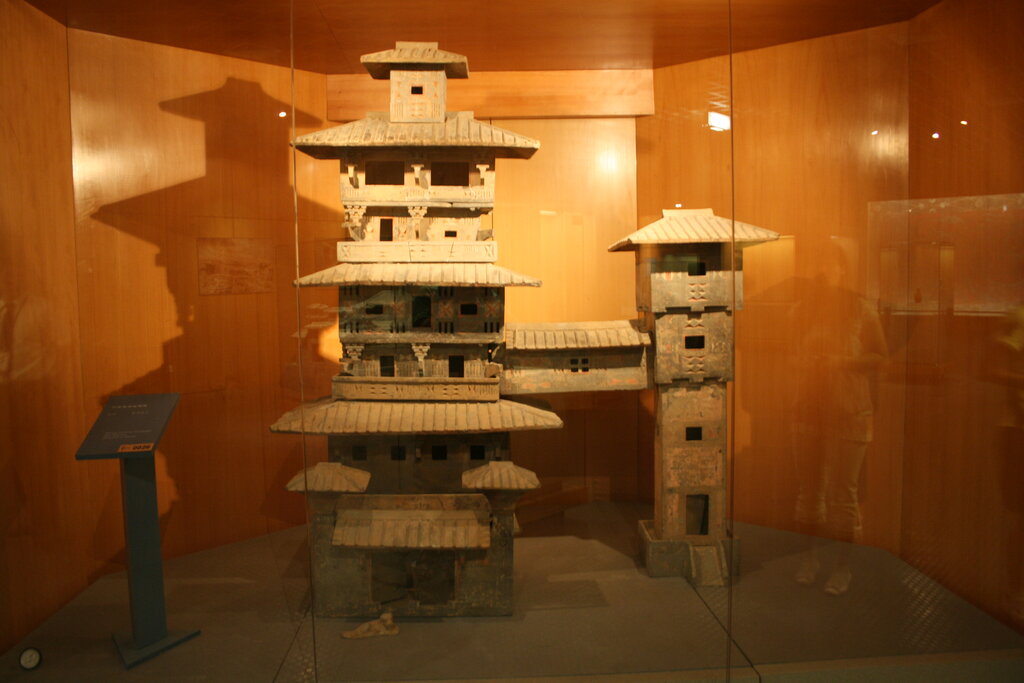
To make matters worse, a series of natural disasters struck the empire. Floods and famines devastated the countryside. With a corrupt and ineffective government, relief efforts were minimal. Peasants lost their land, starved, and grew desperate. Their faith in the emperor, the so-called "Son of Heaven," began to crumble. Many believed the dynasty had lost the Mandate of Heaven, a philosophical concept that justified a ruler's right to govern.
The Rise of Warlords
By 184 CE, this desperation boiled over into a massive uprising known as the Yellow Turban Rebellion. Millions of peasants, led by a Daoist mystic, rose up across the country, seeking to overthrow the Han. The imperial army was too weak and disorganized to handle a threat of this scale.
To crush the rebellion, the court had to make a fateful decision. It granted regional governors and local strongmen the authority to raise their own armies. These leaders successfully put down the rebellion, but they had no intention of giving up their newfound power. They had tasted military command and now controlled entire provinces.
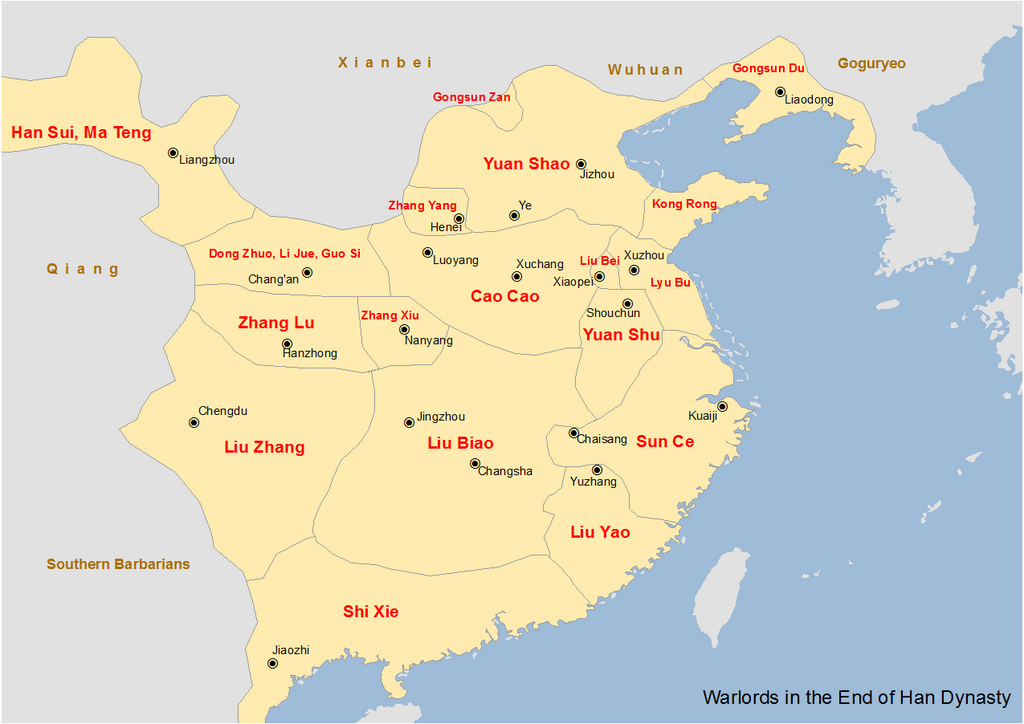
The central government had effectively outsourced its own security. The Han emperor was now a puppet, and true power lay with these regional warlords. They began to fight amongst themselves, each vying for supremacy. The empire, while technically still existing, had shattered into a collection of competing fiefdoms.
This collapse of central authority set the stage for one of the most famous and bloody periods in Chinese history. The once-unified Han empire was gone, replaced by a landscape of ambitious generals commanding loyal armies. The Three Kingdoms period was about to begin.