The Three Horizons Framework for Strategy
Introduction to Innovation Frameworks
Structuring Creativity
Innovation often sounds like a chaotic burst of genius. A lightning strike of inspiration. But for a company to thrive, it can't rely on random luck. It needs a structured way to turn creative ideas into real-world value. This is where innovation frameworks come in.
Innovation Framework
noun
A structured process or model that organizations use to manage and guide their innovation efforts, from generating ideas to launching new products or services.
Think of a framework as a recipe. A great chef doesn't just throw ingredients into a pot randomly. They follow a recipe that provides structure, but they still have room to experiment and add their own creative touch. An innovation framework does the same for a business. It provides a repeatable process to ensure that creative energy is channeled effectively toward the company's goals.
An innovation framework is a roadmap that guides a company from a promising idea to a successful market launch, ensuring good ideas don't get lost along the way.
Common Approaches
There isn't a single, one-size-fits-all framework for innovation. Different models suit different types of companies and problems. The goal is to find an approach that fits the organization's culture and strategic aims.
Some common models include:
-
Design Thinking: This approach puts the customer first. It's all about deeply understanding the user's needs and then developing solutions to meet them. It often follows a path of empathizing with users, defining their problems, generating ideas, prototyping solutions, and testing them.
-
Lean Startup: This framework is built on speed and learning. Instead of spending months perfecting a product in secret, the goal is to build a basic version (a "minimum viable product"), get it in front of real users, measure their reactions, and learn from the feedback. This creates a rapid cycle of building, measuring, and learning.
-
Open Innovation: This model is based on the idea that great ideas can come from anywhere, not just from inside a company. Organizations using open innovation actively seek out ideas, technologies, and partnerships from external sources like universities, startups, or even their own customers.
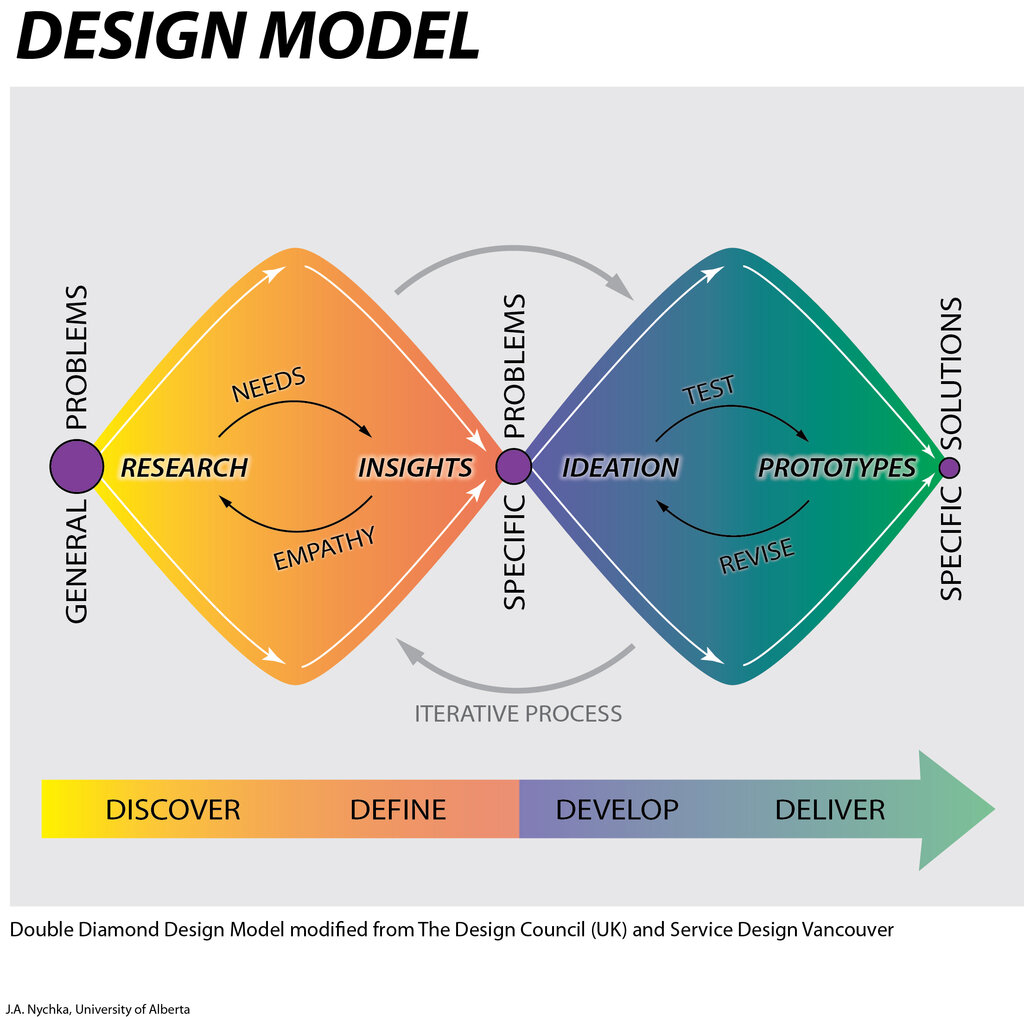
Each of these frameworks provides a different lens through which to view the innovation process. They offer clear stages and activities that help teams stay focused and aligned, turning abstract goals into concrete actions.
Why Structure Matters
A structured approach to innovation is vital for long-term corporate strategy. Without a framework, innovation efforts can become disjointed and reactive, like a series of interesting but unrelated side projects. A framework connects these efforts directly to the company's vision.
It helps leaders decide where to invest time and money, how to measure progress, and when to pivot or abandon an idea that isn't working. By making innovation a deliberate and managed process, companies can build a sustainable engine for growth rather than just hoping for the next big idea to fall into their laps.
Common among these frameworks is a relentless focus on customer-centricity, iterative experimentation, and adaptability.
This systematic approach provides the foundation for sustained success, allowing organizations to consistently explore new opportunities and stay competitive. It sets the stage for more advanced strategic tools, like the Three Horizons model, which helps plan for growth over different time scales.
What is the primary purpose of an innovation framework within a company?
A startup wants to quickly test its core business idea with real users without spending months on development. Which framework is best suited for this goal?