The Thirteen Colonies
Colonial Foundations
Why Cross the Atlantic?
In the early 1600s, England looked west across the Atlantic with a mix of ambition and anxiety. Spain and Portugal were flush with gold and silver from their colonies in the south. France was building a vast fur-trading empire in the north. For England to compete, it needed its own foothold in North America.
The motivations were a tangled web of God, gold, and glory. The English Crown wanted to expand its empire and check the power of its rivals. Merchants and aristocrats, organized into joint-stock companies like the Virginia Company, saw a chance to get rich. They dreamed of finding precious metals or a new trade route to Asia. For ordinary people, the reasons were more personal. England was crowded, and land was scarce. Farmers pushed off their land and artisans without work looked to America for a fresh start. Others sought escape from religious persecution, hoping to build communities where they could worship freely.
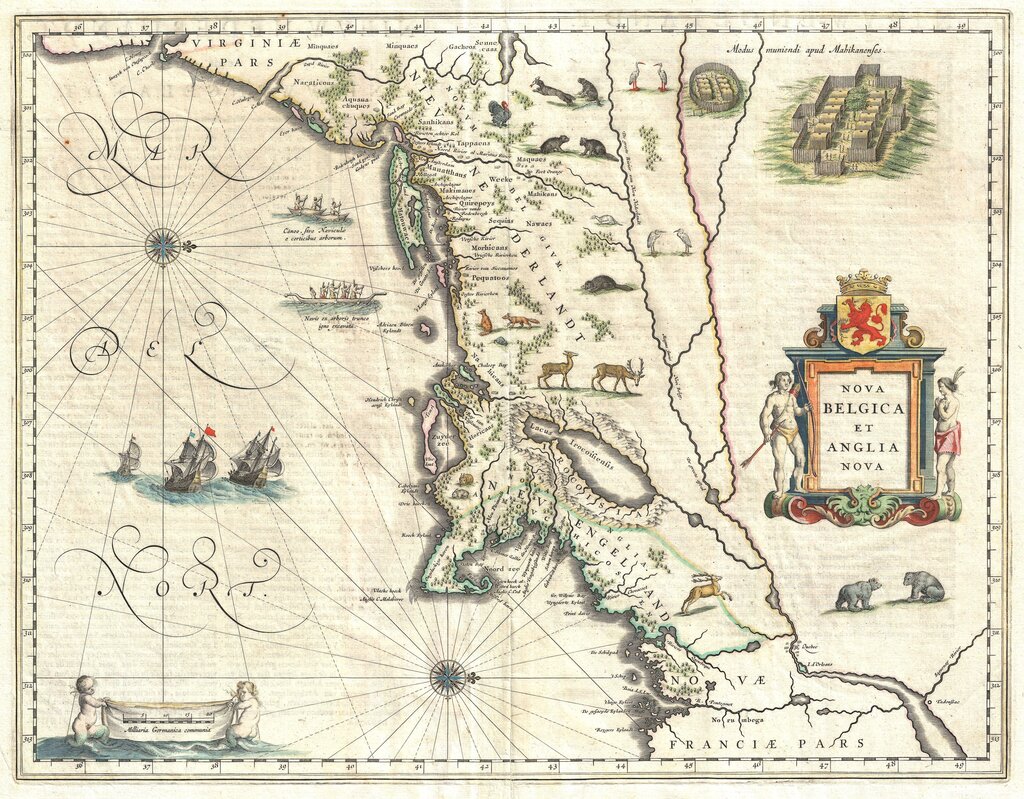
The first permanent English settlement at Jamestown, Virginia, in 1607, was a brutal lesson in reality. The settlers, many of them gentlemen unaccustomed to labor, were ravaged by disease, starvation, and conflicts with the local Powhatan Confederacy. They spent more time searching for gold than planting crops. The colony was on the verge of collapse until John Rolfe introduced a new strain of tobacco. The crop was a hit in Europe, and its success finally gave Virginia a stable economic foundation, built on the backs of indentured servants and, later, enslaved Africans.
Seeking a New Jerusalem
Further north, a different kind of colony took shape. In 1620, a small group of religious separatists known as the Pilgrims landed at Plymouth. They wanted to break away from the Church of England entirely. A decade later, a much larger and better-funded group of Puritans arrived to establish the Massachusetts Bay Colony. They didn't want to leave the church, but to purify it from within and create a model Christian society in the wilderness.
These New England colonies were founded on religious ideals, not commercial profit. Life was organized around the church and community. But their vision of religious freedom was narrow. They sought freedom for themselves, not for everyone. Dissenters were often punished or exiled. This intolerance ironically spurred further colonization. Roger Williams was banished from Massachusetts for his radical ideas about separating church and state, so he founded Rhode Island as a haven for religious liberty. Thomas Hooker led a group of followers to found Connecticut, seeking more political freedom.
The thirteen colonies weren't a unified project. Each was a separate experiment, driven by its own unique goals and populated by different groups of people.
This pattern repeated itself. Maryland was established as a refuge for English Catholics fleeing persecution. Pennsylvania was founded by William Penn, a Quaker who envisioned a colony built on principles of peace, equality, and religious tolerance. The Carolinas were a commercial venture granted to supporters of the king, while Georgia was created as a military buffer against Spanish Florida and a social experiment for debtors and the "worthy poor."
An Unsettled Land
The colonists arrived in a land that was already home to hundreds of distinct Indigenous nations with their own complex societies, governments, and trade networks. The relationship between the newcomers and the native inhabitants was complicated from the start.
There were moments of cooperation. In Plymouth, the Wampanoag, led by Massasoit, shared knowledge of local agriculture that helped the Pilgrims survive their first harsh winter. Trade was common, with Europeans offering metal tools, cloth, and guns in exchange for furs and food. But these peaceful exchanges were often overshadowed by misunderstanding and conflict.
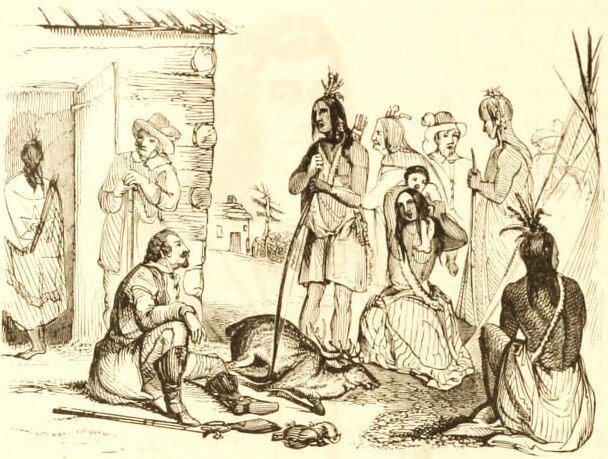
The core of the conflict was land. English colonists saw land as a commodity to be bought, sold, and privately owned. For Indigenous peoples, land was a communal resource, not something an individual could possess. These fundamentally different worldviews led to constant tension. As the colonial population grew, so did its demand for land, pushing Native peoples further west and leading to a series of brutal wars. The arrival of Europeans also brought devastating diseases like smallpox, which wiped out entire communities that had no immunity.
These early years set the stage for everything that followed. The diverse motivations for settlement created distinct regional identities. The struggle for survival forged a spirit of independence. And the complex, often violent, relationship with Indigenous peoples would shape the continent's history for centuries to come.