The Term Facefuck
Introduction to Linguistic Taboo
Words You Can't Say
Every language has words that are considered off-limits in polite conversation. These are linguistic taboos: words or topics that are forbidden or restricted by social custom. They're the words you avoid at a family dinner or in a professional email.
taboo
noun
A social or religious custom prohibiting or forbidding discussion of a particular practice or association with a particular person, place, or thing.
Common examples of taboo subjects include profanity, certain bodily functions, sexuality, and death. While the specific words might differ, the existence of these forbidden zones in language is a universal human trait. Breaking a linguistic taboo can lead to embarrassment, offense, or social punishment. But why do these rules exist in the first place?
The Purpose of Forbidden Words
Taboos aren't just arbitrary rules; they serve important social and psychological functions. Socially, they help maintain harmony and signal respect. By avoiding certain words, we show that we understand and belong to a particular social group. Using taboo language, on the other hand, can be a way to challenge authority or intentionally exclude others.
Psychologically, taboos help us manage uncomfortable emotions. Topics like disease and death confront us with our own vulnerability and mortality. By making these topics linguistically off-limits, societies can create a sense of control and emotional distance from frightening realities. The words themselves become loaded with the power of the concepts they represent.
Taboo words derive their power from the very fact that they are forbidden. The more a word is suppressed, the more potent it becomes when finally spoken.
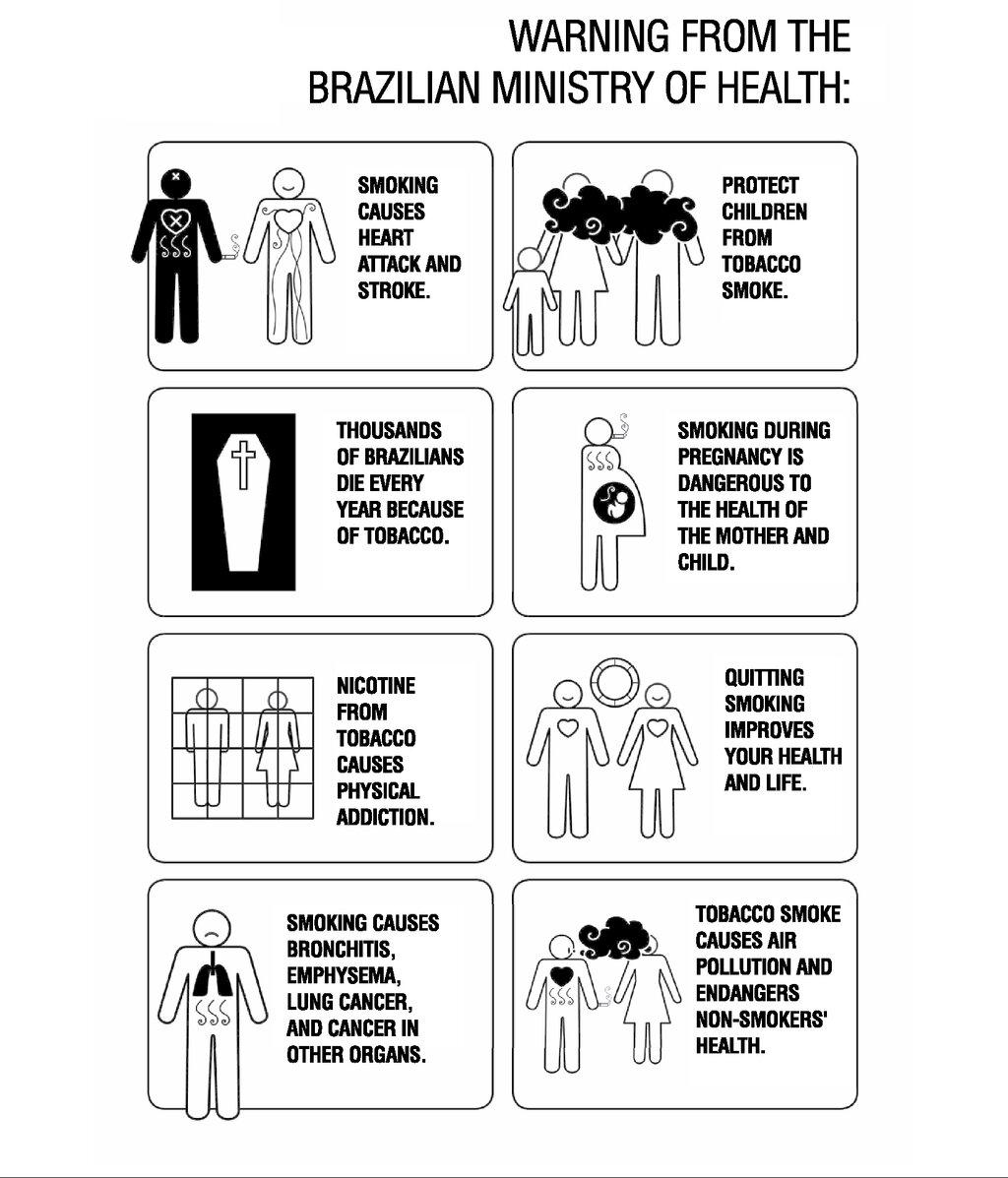
Governments and public health organizations sometimes try to break down taboos to achieve a goal. For instance, putting graphic health warnings on cigarette packs is a deliberate attempt to make the negative consequences of smoking impossible to ignore, forcing a once-taboo subject into the open.
Taboos Around the World
What is considered taboo varies dramatically from one culture to another. In many Western cultures, asking someone how much money they earn is a major social faux pas. In other parts of the world, it might be a common and acceptable question.
Names can also be subject to taboo. In some cultures, it is forbidden to speak the name of a deceased person, out of respect or fear. Similarly, in many East Asian societies, addressing an elder or a superior by their given name is considered deeply disrespectful; titles are used instead.
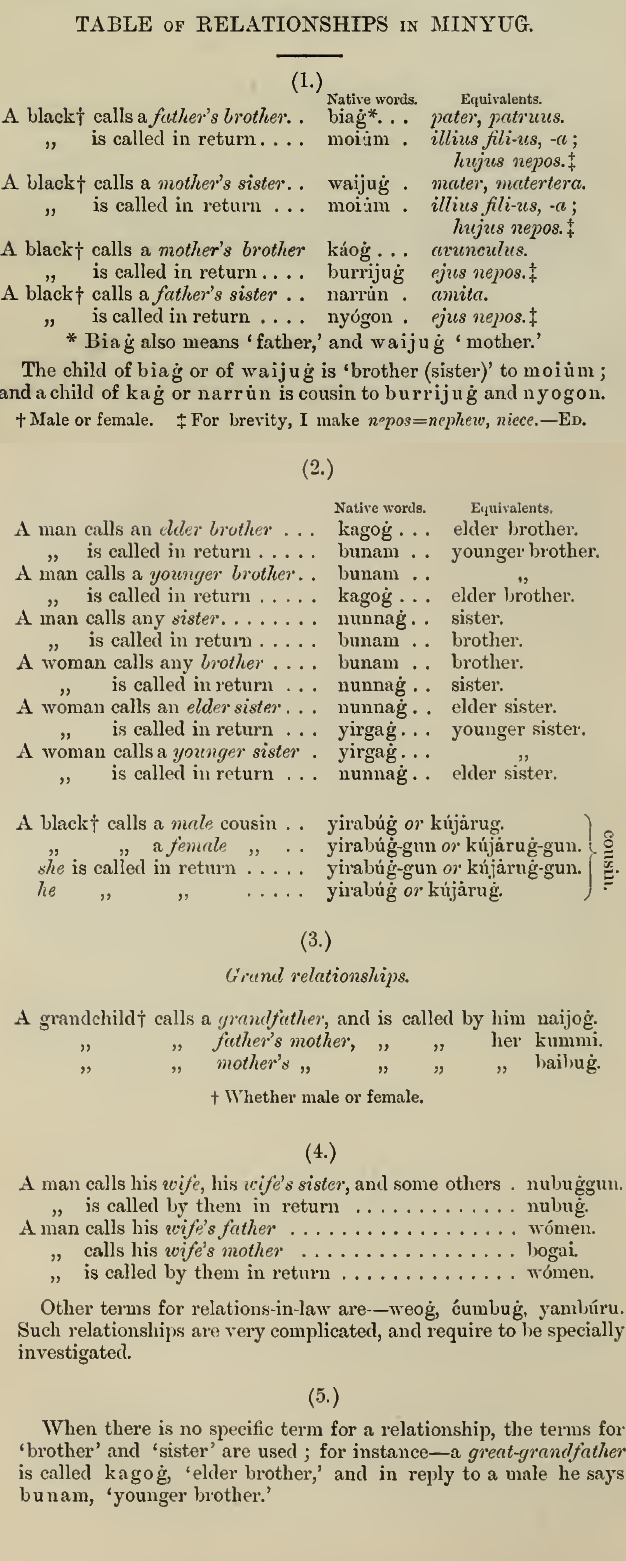
Even something as universal as family can have linguistic minefields. The specific terms for relatives and the rules for addressing them are deeply tied to social structure and respect.
These differences highlight that there is nothing inherently 'bad' about a specific sound or word. Instead, its power comes from a shared cultural agreement that it should not be used lightly, if at all. This is why understanding linguistic taboos is crucial for effective cross-cultural communication.
Be sensitive to the cultural background of your audience and avoid using language or examples that may be culturally specific or insensitive.
Ready to check your understanding of linguistic taboos?
What is the primary purpose of a linguistic taboo?
According to the text, what is a key psychological function of taboos related to death and disease?
Understanding what makes a word taboo provides a foundation for analyzing why specific terms carry so much weight in our society.