The Tapestry of Indian History
Prehistoric and Indus Valley Civilization
The First Footprints
Long before cities rose, the Indian subcontinent was home to early humans. During the Paleolithic period, or Old Stone Age, people lived as hunter-gatherers. They used simple stone tools for hunting animals and gathering plants, moving across the land in small, nomadic groups.
Around 10,000 years ago, a major shift began. In the Neolithic period, or New Stone Age, people started to settle down. They learned to cultivate crops and domesticate animals, leading to the first agricultural communities. This change wasn't sudden but happened over thousands of years. Sites like Mehrgarh, in present-day Pakistan, show evidence of this transition, with early mud-brick houses and granaries for storing food. This move toward settled life laid the groundwork for the complex societies that would follow.
A Civilization of Bronze and Brick
From these early agricultural roots, one of the world's great ancient civilizations emerged. The Indus Valley Civilization, also known as the Harappan Civilization, flourished from around 2600 to 1900 BCE. It was a Bronze Age society that covered a vast area, larger than ancient Egypt or Mesopotamia.
What made it so remarkable was its level of organization. Across hundreds of sites, archaeologists have found standardized, kiln-fired bricks, a uniform system of weights and measures, and evidence of long-distance trade. Cities were connected by trade routes that reached as far as Mesopotamia. This level of consistency suggests a well-integrated society, though its political structure remains a mystery.
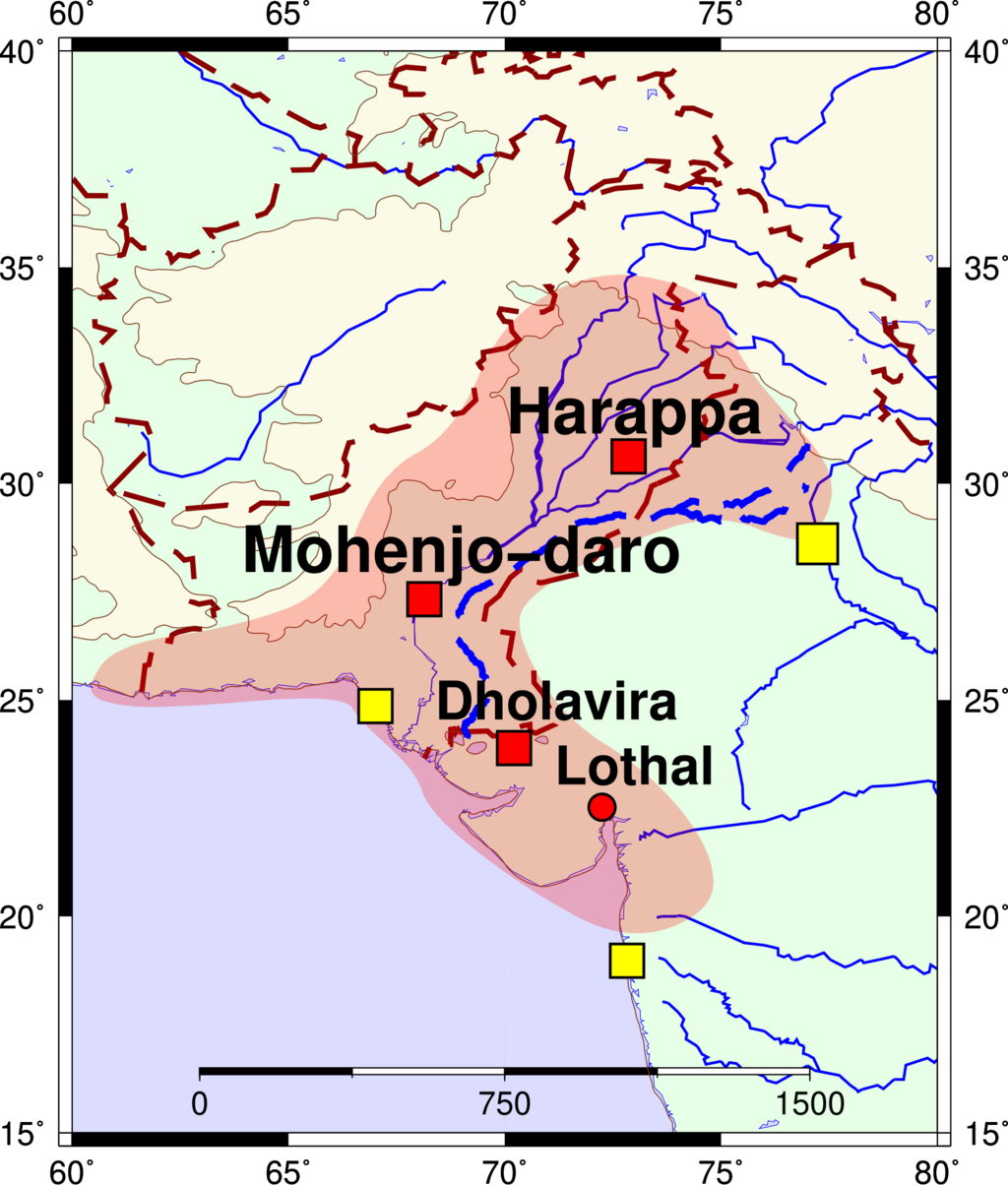
Unlike other ancient civilizations, the Indus Valley shows little evidence of kings, grand palaces, or monumental temples. Its power seems to have been more evenly distributed.
Cities of the Plain
The heart of this civilization was its meticulously planned cities. Harappa and Mohenjo-daro were two of the largest, each likely home to tens of thousands of people. These cities were not haphazard collections of buildings; they were laid out on a grid system with straight, wide streets.
Typically, a city was divided into two main parts: a raised citadel and a lower town. The citadel housed important public buildings, while the lower town was the main residential area. Even more impressive was their water management. Many homes had private wells and bathrooms connected to a sophisticated network of covered drains that ran along the streets. This focus on sanitation was unique in the ancient world.
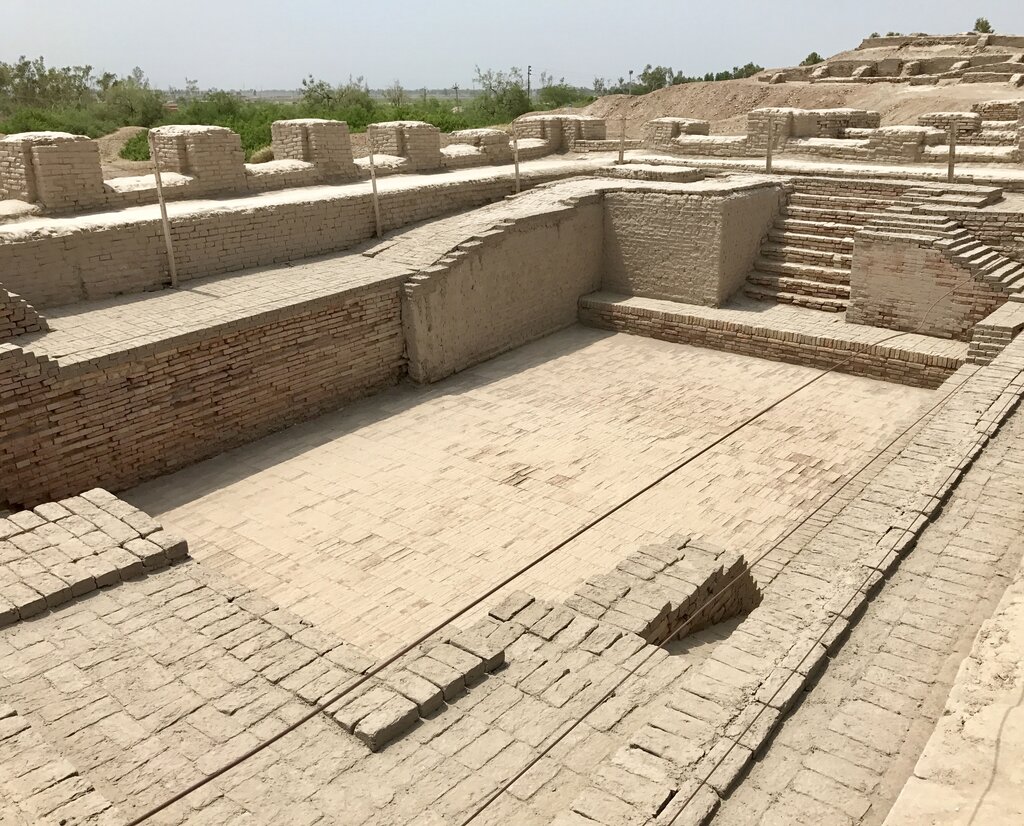
The people of the Indus Valley were skilled artisans. They produced distinctive pottery, intricate beadwork, and terracotta figurines of animals and people. They were also masters of metallurgy, working with copper, bronze, lead, and tin.
Perhaps their most famous creations are small stone seals, usually carved from steatite. These seals feature detailed engravings of animals, like bulls and unicorns, alongside a script that remains undeciphered. Over 4,000 of these inscribed objects have been found, but without a key like the Rosetta Stone, their meanings are lost to us.
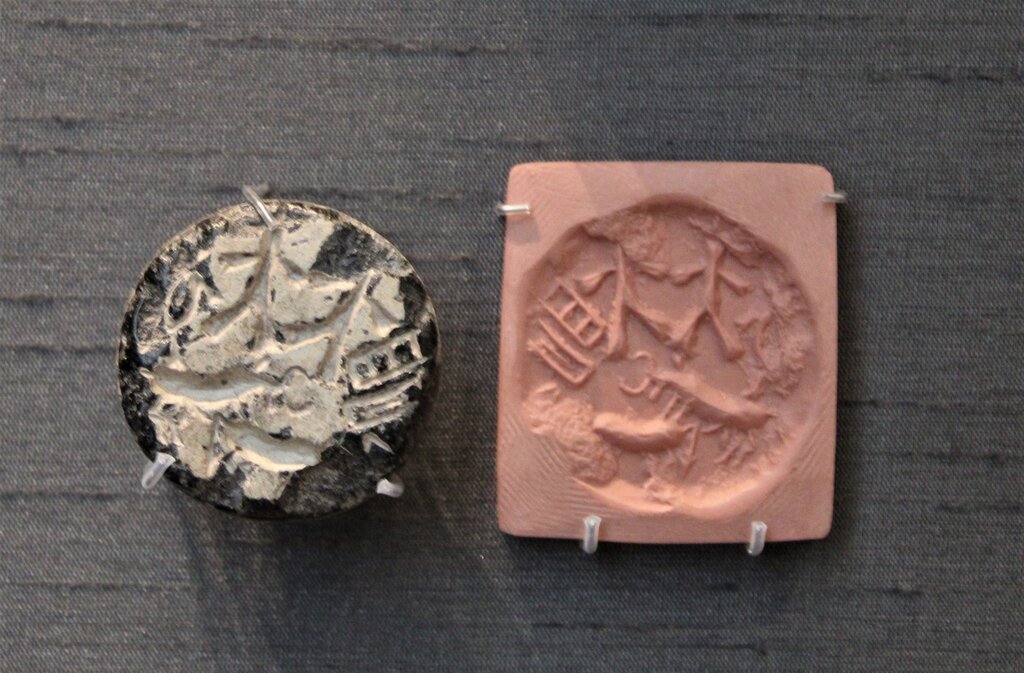
A Mysterious Decline
Around 1900 BCE, this thriving urban civilization began to decline. The great cities were gradually abandoned, and the standardized systems of writing, weights, and measures disappeared. The reasons for this collapse are still debated, as there is no clear evidence of a large-scale invasion or single catastrophic event.
Many scholars now believe that climate change played a crucial role. A gradual drying trend weakened the monsoon rains that fed the rivers and supported agriculture. The Ghaggar-Hakra river system, which was once a major waterway supporting many settlements, dried up. This environmental stress likely led to a breakdown in trade and social order, forcing people to move to smaller, more rural settlements in the east and south. While other factors may have contributed, the changing environment appears to be the primary driver behind the end of this great civilization.
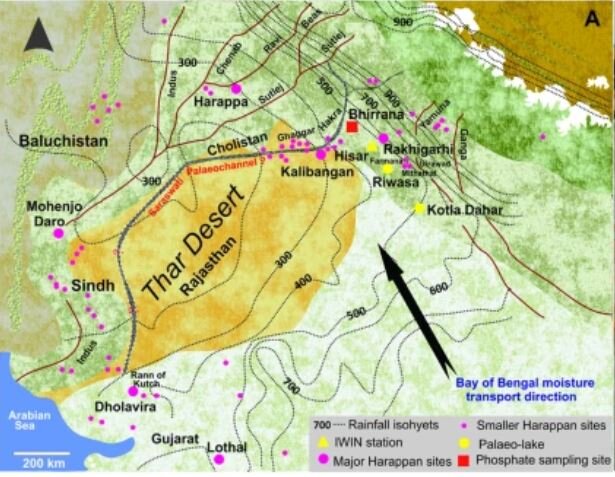
Let's check your understanding of India's earliest history.
What was the primary lifestyle of people on the Indian subcontinent during the Paleolithic period (Old Stone Age)?
The cities of the Indus Valley Civilization, such as Harappa and Mohenjo-daro, were known for all of the following features EXCEPT:
The fall of the Indus cities marked the end of an era, but their legacy lived on, influencing the cultures that would later rise in the subcontinent.