The Tao Te Ching Explained
Introduction to Tao Te Ching
The Book of the Way
At the heart of Taoist philosophy lies a short, profound text known as the Tao Te Ching. Traditionally attributed to a wise archivist named Laozi, or the “Old Master,” this collection of poems and sayings emerged from a chaotic period in Chinese history.
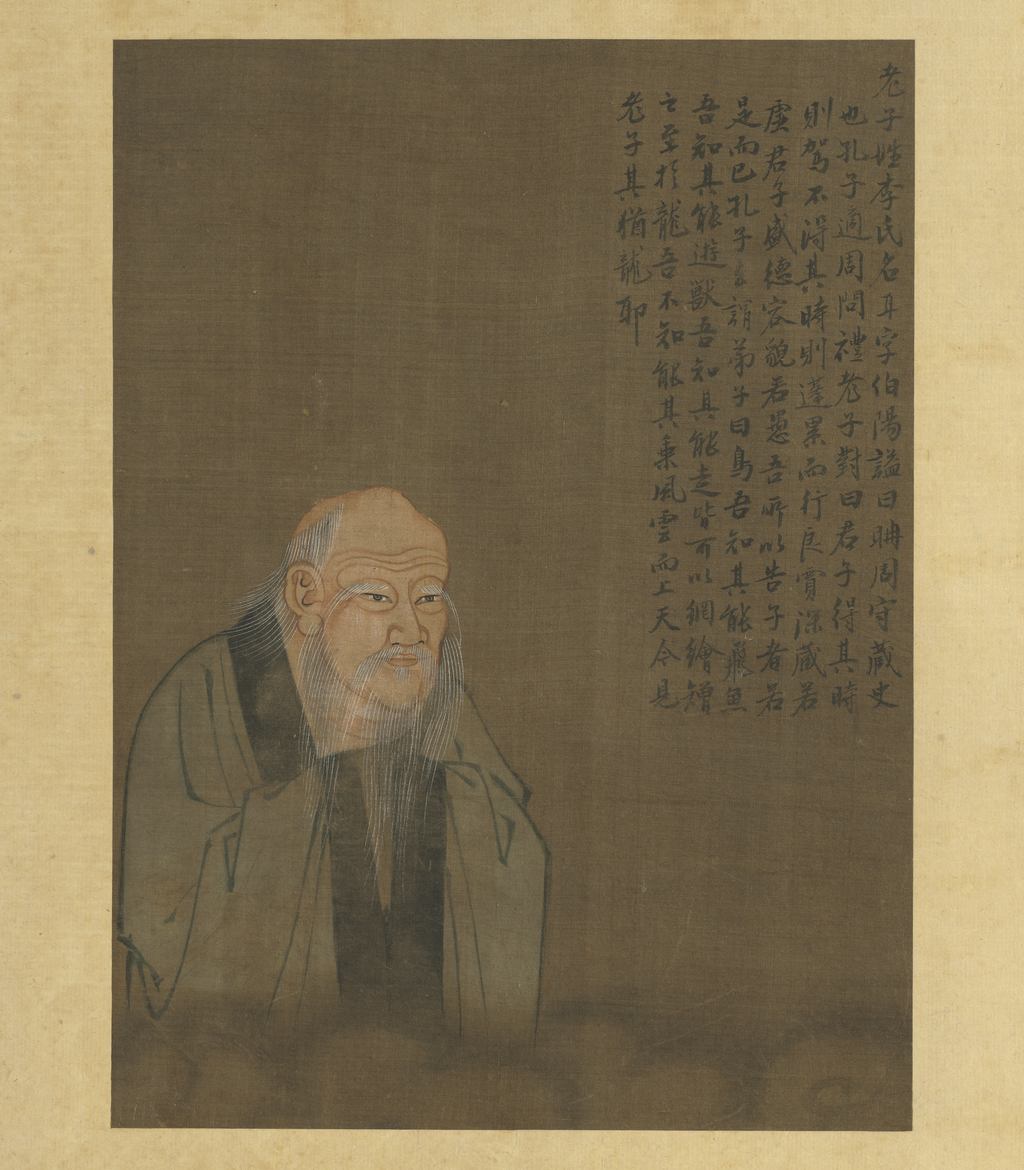
The book was written during the late Warring States period, a time between 475 and 221 BCE when feudal states fought relentlessly for control. Amidst the violence and social upheaval, many thinkers began questioning the foundations of society, searching for a path to peace and stability. The Tao Te Ching was a unique response, offering not a system of laws or ethics, but a guide to living in harmony with the natural flow of the universe.
A Poetic Structure
The Tao Te Ching is not a dense philosophical treatise. Instead, it's composed of 81 short, poetic chapters. These are traditionally split into two main sections.
The first 37 chapters form the Tao Ching, or the “Book of the Way,” which explores the nature of the Tao itself. The remaining chapters (38–81) make up the Te Ching, or the “Book of Virtue,” focusing on how the Tao manifests in the world and in human behavior.
The writing is famously concise and paradoxical. Laozi often uses contradictions to jolt the reader out of conventional ways of thinking. For example, he might suggest that the greatest strength is found in weakness or that true knowledge comes from admitting what you don't know. This style isn't meant to be confusing; it's a tool to point toward truths that are beyond simple description. The language itself encourages contemplation rather than a quick, logical analysis.
A Lasting Influence
Despite its brief length, the Tao Te Ching has had an immense impact. Within China, its ideas permeated other major schools of thought. Confucianism, with its focus on social order and ritual, and Legalism, with its strict emphasis on laws, both engaged with and responded to Taoist principles of naturalness and non-interference.
As Buddhism arrived in China, its concepts were often understood and translated through a Taoist lens, leading to the development of unique schools like Zen (Chán) Buddhism. The Tao Te Ching's influence extends far beyond philosophy, shaping Chinese art, medicine, and politics for centuries.
The book's reach is now global. It is one of the most translated works in history, second only to the Bible. Readers from countless cultures continue to find wisdom in its ancient verses, exploring its lessons on leadership, simplicity, and finding balance in a complex world.
Taoists emphasize various themes found in the Daodejing (Book of Dao) and Zhuangzi such as naturalness, vitality, peace, non-action (wu wei, or effortless effort), emptiness (refinement), detachment, flexibility, receptiveness, spontaneity, the relativism of human ways of life, ways of speaking, and guiding behaviour.
Ready to test your understanding of this foundational text?
Who is traditionally credited with writing the Tao Te Ching?
The Tao Te Ching emerged during which turbulent era of Chinese history?
The Tao Te Ching's simple yet profound ideas have resonated across cultures and centuries, offering a timeless perspective on the art of living.