The Sweet World of Mazapán
Introduction to Mazapán
What is Mazapán?
Mazapán is a sweet, crumbly confection popular in Latin America and Spain. At its heart, it's a simple candy made from ground peanuts and sugar. The ingredients are pressed together into a small disc, creating a treat that melts in your mouth.
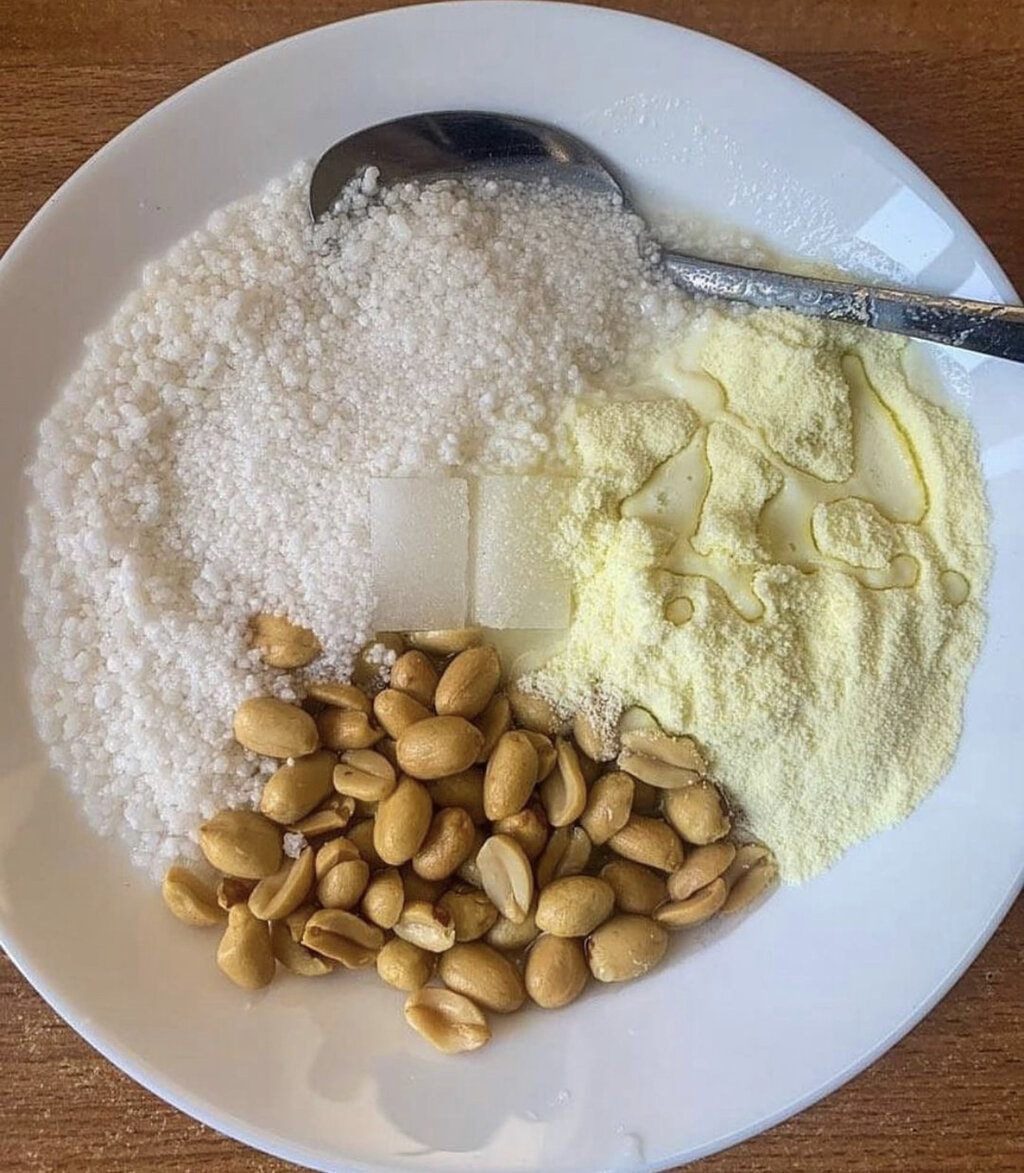
Its delicate, powdery texture is its most defining feature. A well-made mazapán is so fragile that unwrapping it without it crumbling is part of the experience. The flavor is distinctly nutty and sweet, a straightforward celebration of roasted peanuts.
Mazapán vs. Marzipan
The name might sound familiar. Many people confuse mazapán with marzipan, its European cousin. While they share a similar concept—a paste made from nuts and sugar—their core ingredient is different. Marzipan is made with ground almonds, giving it a smoother, denser texture and a distinct almond flavor.
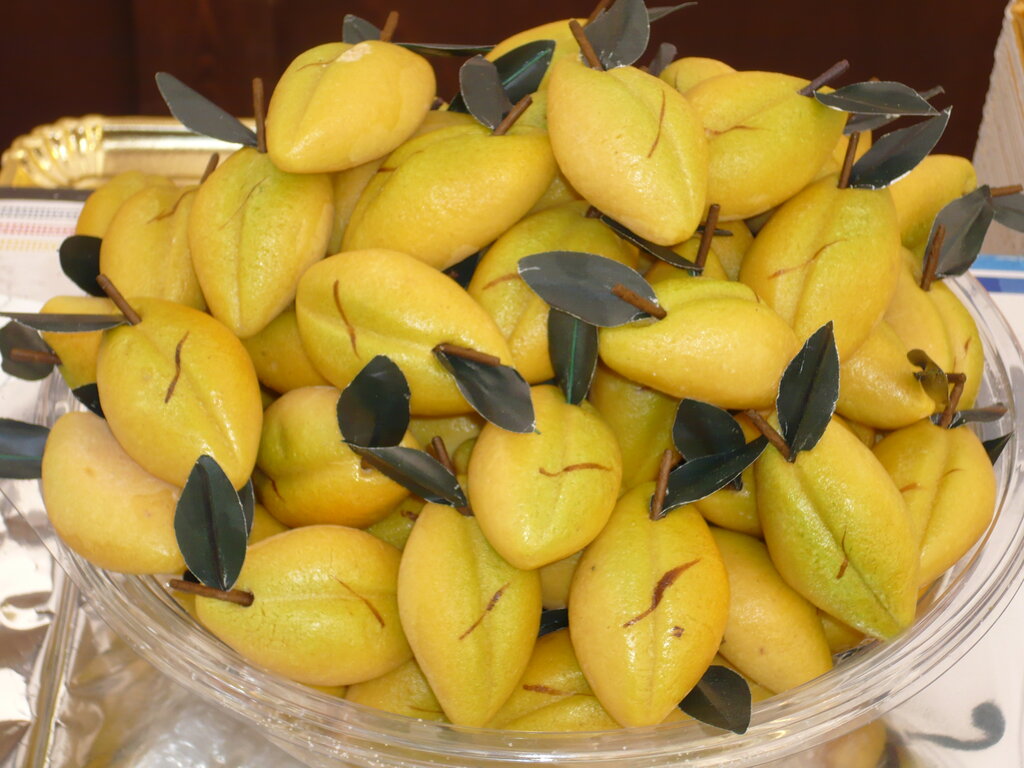
This difference in nuts changes everything. Marzipan's pliable, clay-like consistency makes it perfect for sculpting into detailed shapes or covering cakes. Mazapán, on the other hand, is defined by its tender, brittle structure. It’s typically sold as a simple round puck and isn't used for decoration.
Key difference: Mazapán uses peanuts, while marzipan uses almonds.
A Global Sweet
While Spain has its own almond-based mazapán, the peanut version is most famous in Mexico, where it's a beloved everyday candy. You can find it everywhere from street stalls to supermarkets. Its popularity also extends to other parts of the world, including the Philippines, where it's enjoyed as a traditional sweet.
The switch from almonds to peanuts is a classic story of culinary adaptation. When Spanish confections arrived in the Americas, local ingredients were swapped in, creating a new and unique treat. This simple substitution gave birth to the peanut mazapán that is so popular today.