The Sweet Science of HFCS Production
Corn Starch Extraction
Anatomy of a Corn Kernel
Before we can extract corn starch, we need to know what's inside a corn kernel. It's not just a uniform nugget of starch. A single kernel is a well-organized package containing four main components, each with a different purpose and composition.
- Pericarp: This is the tough outer skin, also known as the hull. It's mostly fiber and protects the kernel from moisture and damage.
- Endosperm: Making up about 82% of the kernel's weight, this is our primary target. It's the food supply for the germ and is rich in starch and protein.
- Germ: This is the embryo, the only living part of the kernel. It contains the genetic information to grow a new corn plant and is a concentrated source of oil, vitamins, and minerals.
- Tip Cap: The small point where the kernel attaches to the cob. It's not a major component but serves as the connection point.
Our goal is to carefully break the kernel apart and isolate the starch-rich endosperm from everything else.
The Wet Milling Process
The most effective way to separate the corn kernel's components is through a process called wet milling. As the name suggests, it uses water at every stage. This softens the kernel, making it easier to take apart without damaging the valuable starch granules.
The first step is steeping. Cleaned corn kernels are soaked in large tanks of warm water (around 50°C or 120°F) for 24 to 48 hours. A small amount of sulfur dioxide is added to the water to prevent bacteria from growing and to help loosen the gluten bonds within the endosperm. This makes the starch and protein easier to separate later.
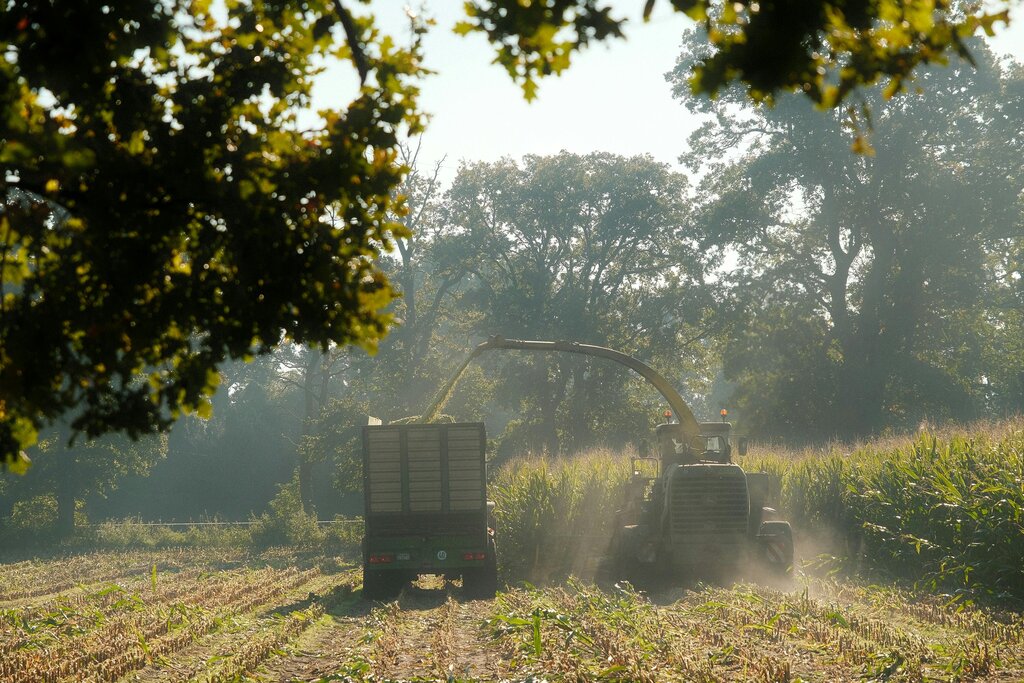
After steeping, the softened kernels, now swollen with water, are sent to a mill. This initial grinding is gentle, designed to tear the kernel apart just enough to free the germ without crushing it. The result is a thick slurry containing all the kernel's parts suspended in water.
Separating the Pieces
With the kernel broken open, the next challenge is sorting the mixture. The separation happens in stages, taking advantage of the different densities and sizes of the germ, fiber, and starch.
First, the germ is removed. Because the germ is full of oil, it's lighter than the other components. The slurry is pumped into hydrocyclones, or germ separators, where the mixture is spun rapidly. The lighter germ floats to the top and is skimmed off. This separated germ is then washed, dried, and processed to extract valuable corn oil.
What remains is a slurry of starch, protein, and fiber. This mixture undergoes a second, more thorough grinding to release any remaining starch granules from the fiber. The slurry then passes through a series of screens.
The larger fiber particles are caught by the screens, while the smaller starch and protein particles pass through. The captured fiber is washed to recover any clinging starch, then dried. It's often used as a component in animal feed.
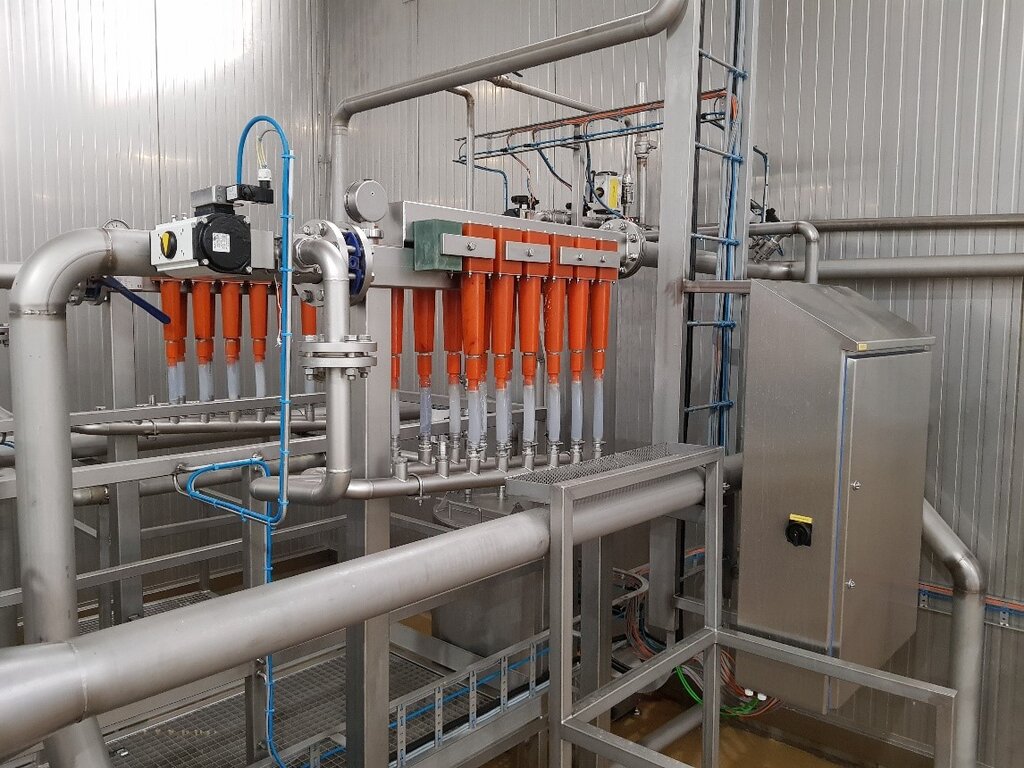
We're now left with a fine slurry of just starch and protein. This is where the final, most delicate separation occurs. Like the germ, starch and protein have different densities. Starch is denser than protein.
The slurry is pumped through another set of hydrocyclones or large centrifuges. These machines spin at high speeds, generating strong centrifugal forces that pull the heavier starch granules to the outer wall while the lighter protein (gluten) remains in the center. The two streams are collected separately.
The protein is dried and sold as corn gluten meal, another valuable component for animal feed. The starch stream, now over 99% pure, is washed a final time before moving on to the next stage of production.
Why go through all this trouble for purity? Any remaining protein or fiber can interfere with the chemical reactions that convert starch into syrup. A clean, pure starch slurry is the essential starting material for producing high-quality corn syrup.
Now, let's test your understanding of the starch extraction process.
What is the primary source of starch within a corn kernel?
During the wet milling process, what is the main purpose of adding sulfur dioxide to the water during steeping?
This multi-step process of steeping, grinding, and separating ensures that we end up with the purest possible starch, ready for its transformation into syrup.