The Sweet Science of Bakeries and Patisseries
Introduction to Baking
The First Loaves
Baking is one of our oldest culinary traditions. Long before ovens existed, early humans mixed wild grains with water to form a paste. They cooked this simple gruel on hot stones, creating the first flatbreads. It was a practical way to make grains edible and portable.
The ancient Egyptians revolutionized baking around 3000 BCE. They discovered that if they left dough out, wild yeast from the air would settle in and make it rise. This process, called leavening, created lighter, softer bread. Baking became a sophisticated craft, and the Egyptians are even credited with inventing the first closed ovens.
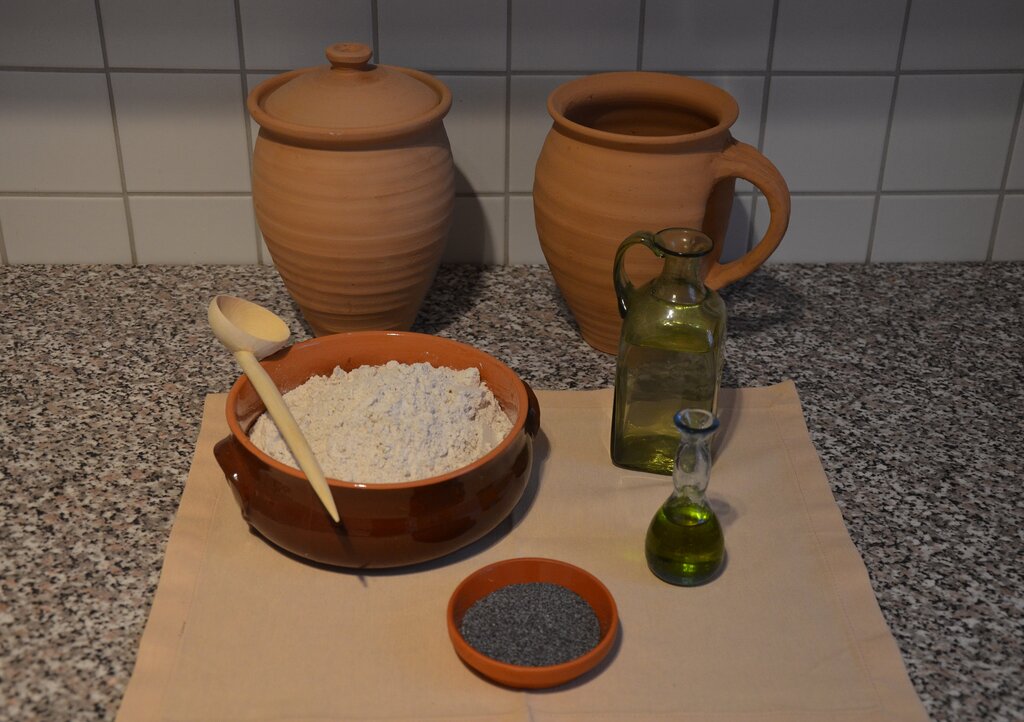
From these humble beginnings, bread became a cornerstone of civilization. It’s a staple food in nearly every culture, symbolizing nourishment, community, and even religious concepts. Sharing bread is a universal gesture of hospitality, from the communion wafer in Christianity to the challah of Judaism and the flatbreads shared at meals across the Middle East and Asia. Baking isn't just about food; it's woven into the fabric of our cultures.
The Science in Your Kitchen
At its heart, baking is a delicious form of chemistry. When you mix ingredients and add heat, you're setting off a series of chemical reactions that transform a wet, sticky dough into a light, flavorful treat. Three of the most important processes are gluten development, leavening, and the Maillard reaction.
Flour contains proteins that, when mixed with water and kneaded, link together to form an elastic network called gluten. Think of it like a net made of tiny balloons. This network traps the gases produced by leaveners, allowing the dough to stretch and rise without collapsing.
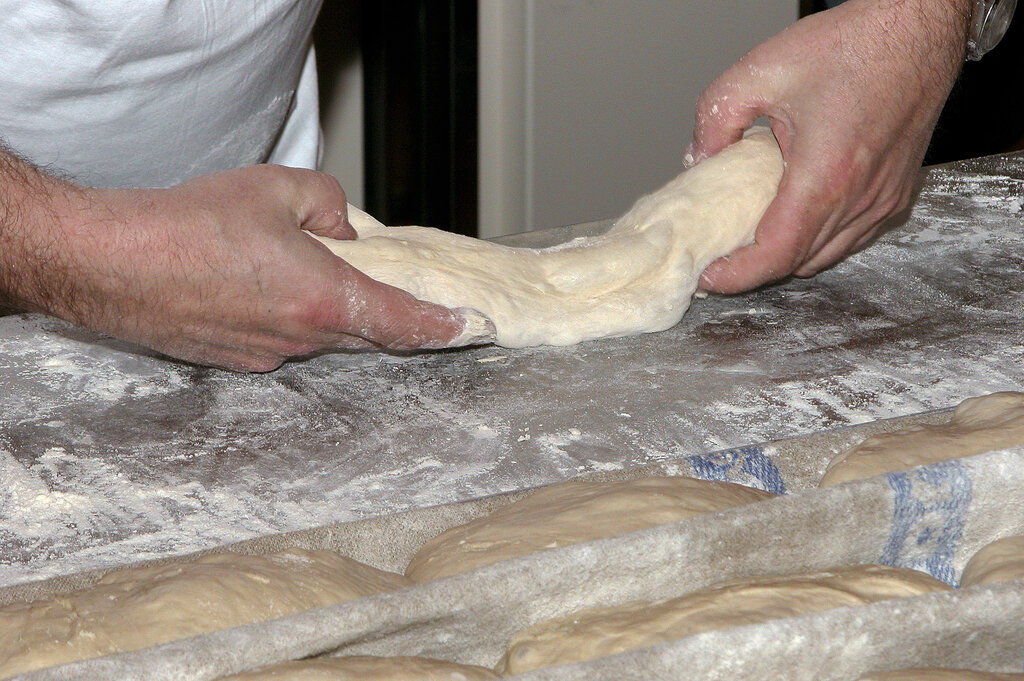
Leavening is what gives baked goods their airy texture. Yeast, a living organism, consumes sugars in the dough and releases carbon dioxide gas as a byproduct. Chemical leaveners like baking soda and baking powder work faster, creating gas through a chemical reaction when mixed with liquid and exposed to heat.
Finally, the Maillard reaction is the magic that happens in the oven. At high temperatures, the sugars and proteins on the surface of the dough rearrange themselves, creating the golden-brown crust and hundreds of new aroma and flavor compounds. It's the reason a baked loaf of bread smells so much more complex and inviting than the raw dough.
High heat transforms sugars and proteins, creating the golden-brown crust and rich flavors we love in baked goods.
Building Blocks of Baking
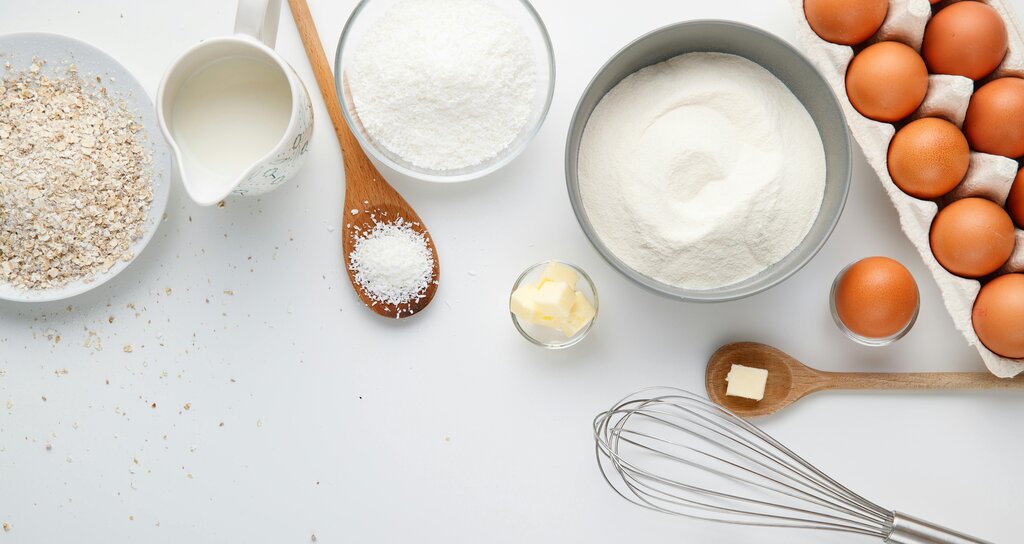
While recipes can seem complex, most baked goods are made from a handful of core ingredients. Understanding the role each one plays is the key to becoming a more intuitive baker.
| Ingredient | Role in Baking |
|---|---|
| Flour | Provides structure through gluten formation. |
| Leaveners | Create gas bubbles to help the product rise. |
| Fats | Add tenderness, richness, and moisture. |
| Sugars | Provide sweetness, browning, and moisture. |
| Liquids | Hydrate the flour and activate the leaveners. |
| Eggs | Bind ingredients, add structure, richness, and flavor. |
| Salt | Enhances flavor and controls yeast activity. |
Each ingredient is a lever you can pull. Using bread flour, which is high in protein, will create a chewier loaf. Swapping butter for oil changes not just the flavor but also the texture, as butter provides some leavening (from its water content turning to steam) while oil provides pure fat for tenderness. Once you know the rules, you can start to creatively break them.
A World of Baked Goods
The same basic ingredients can be combined in different ratios and ways to create an incredible variety of foods. We can group them into a few broad categories.
Breads are typically lean, relying on flour, water, yeast, and salt. Their primary texture comes from a well-developed gluten network, resulting in a chewy crumb.
Pastries are defined by fat. Laminated doughs, like those for croissants, involve folding butter into the dough many times to create hundreds of flaky layers. Other pastries, like pie crusts, cut cold fat into flour to create a tender, crumbly texture.
Cakes are softened breads. They have a higher ratio of sugar, fat, and eggs, which tenderizes the gluten structure and creates a soft, moist crumb. Leavening comes mostly from chemical agents rather than yeast.
Cookies are similar to cakes but have less liquid. This creates a denser, chewier, or crisper final product, depending on the fat-to-sugar ratio.
Understanding these core principles and ingredients is the first step toward mastering the art of baking. It turns the act of following a recipe into a creative process of building flavor and texture from the ground up.