The Sweep of French History
Ancient Gaul
The People of Gaul
Long before France was France, the land was known as Gaul. It wasn't a single kingdom but a patchwork of territories inhabited by numerous Celtic-speaking tribes. These groups, known collectively as the Gauls, shared cultural traits and languages but were often politically divided, forming alliances or fighting one another as rivals.
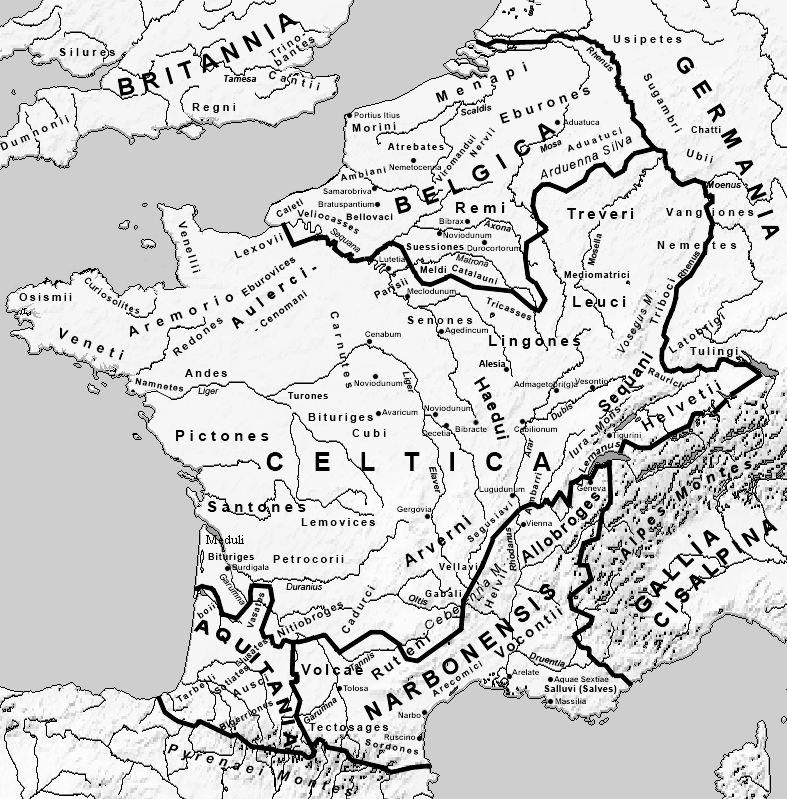
Major tribes like the Arverni in the central mountains, the Aedui in Burgundy, and the Belgae in the north each controlled significant territory. While Romans often portrayed them as wild barbarians, the Gauls had a complex and sophisticated society. They were a diverse people, united by a common cultural background but fiercely independent.
Life in a Gallic Village
Gallic society was sharply stratified. At the top were the druids and the warrior aristocracy, known as the equites. Below them were the common people, the plebs, who were mostly farmers and artisans.
The druids were more than just priests. They were the intellectual class, serving as judges, teachers, and scientists. They memorized vast amounts of poetry, history, and law, passing it down orally since they believed it was wrong to write down their sacred knowledge. The equites were the military leaders and landowners, whose power rested on their martial skill and the loyalty of their followers.
Political structures varied from tribe to tribe. Many were led by a king or chieftain, while others, like the influential Aedui, had developed a system closer to a republic. They elected an annual magistrate called a Vergobret, who held powers similar to a Roman consul, including the authority to command armies and dispense justice.
This system of elected leaders shows that Gallic politics were often more complex than simple tribal rule.
A Land of Farmers and Traders
The economy of Gaul was overwhelmingly agricultural. Gallic farmers were skilled at cultivating grains like wheat and barley and raising cattle, sheep, and pigs. They lived in settled villages and worked the land with iron tools, including an advanced wheeled plow that allowed them to farm the heavy soils of northern Gaul effectively.
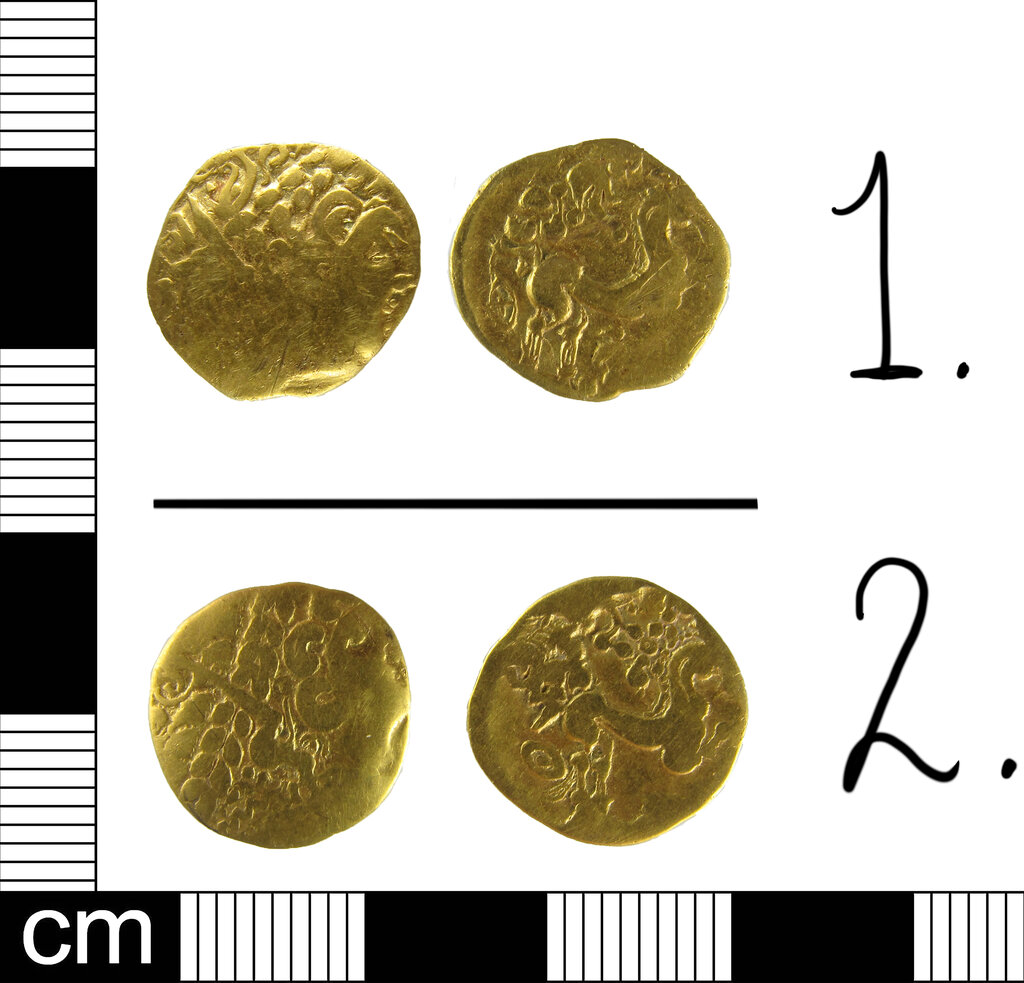
Beyond the farm, the Gauls were master craftspeople, especially in metalworking. They produced high-quality iron weapons and tools, as well as beautiful gold and bronze jewelry. Their artisans also developed techniques like enameling to add vibrant color to their work. This skill extended to minting their own coins, a clear sign of a sophisticated economy.
Gaul was not isolated. It sat at a crossroads of major trade routes. Gallic tribes traded with Greek colonies on the Mediterranean coast, like Massalia (modern Marseille), as well as with Romans and Germanic peoples. They exported raw materials like metals, salt, and timber, along with grain and enslaved people. In return, they imported luxury goods, especially wine and fine pottery from the Mediterranean world.
Neighbors and Rivals
The Gauls' relationships with their neighbors were a mix of trade, cultural exchange, and conflict. To the south, the Greek presence in Massalia brought Mediterranean culture into Gaul. Some Gallic elites adopted Greek writing for business and administrative purposes, even though their own traditions were oral.
The Romans also had a presence long before Caesar's conquest. By the late 2nd century BCE, they had established the province of Gallia Narbonensis in what is now southern France. This created a permanent frontier, leading to both profitable trade and frequent military friction.
Across the Rhine River to the east were various Germanic tribes. The relationship was often tense, with competition over land and resources leading to raids and warfare. At times, Gallic tribes would even hire Germanic warriors as mercenaries. This complex dynamic of rivalry and alliance would play a key role in the events that eventually brought Roman legions deep into Gaul.
Which class in Gallic society served as judges, teachers, and scientists, responsible for preserving oral traditions?
True or False: The political structure of all Gallic tribes was a monarchy led by a single king.
This early period laid the foundation for the region's future. The Gauls, with their developed society, economic networks, and intricate politics, were a formidable people whose legacy would endure long after their independence was lost.