The Surprising Benefits of Poison Ivy
Poison Ivy Basics
Meet Poison Ivy
Poison ivy is famous for the itchy rash it can cause, but there's more to this plant than its irritating reputation. Knowing its basic biology is the first step to understanding it. Its scientific name is Toxicodendron radicans, a name that hints at its nature.
The genus name, Toxicodendron, comes from Greek and literally means "poison tree."
A Surprising Family Tree
Believe it or not, poison ivy belongs to the Anacardiaceae family. This makes it a relative of some well-known plants, including cashews, pistachios, and even mangoes. This family connection is why some people who are highly sensitive to poison ivy may also react to the skin of mangoes or the shells of raw cashews.
The species name, radicans, is Latin for "rooting." This refers to the plant's ability to send out aerial roots from its stem, which help it cling to and climb trees and other surfaces.
What It Looks Like
The most famous feature of poison ivy is its compound leaf, which consists of three distinct leaflets. This is where the saying "leaves of three, let it be" comes from. The middle leaflet typically has a longer stalk than the two side leaflets.
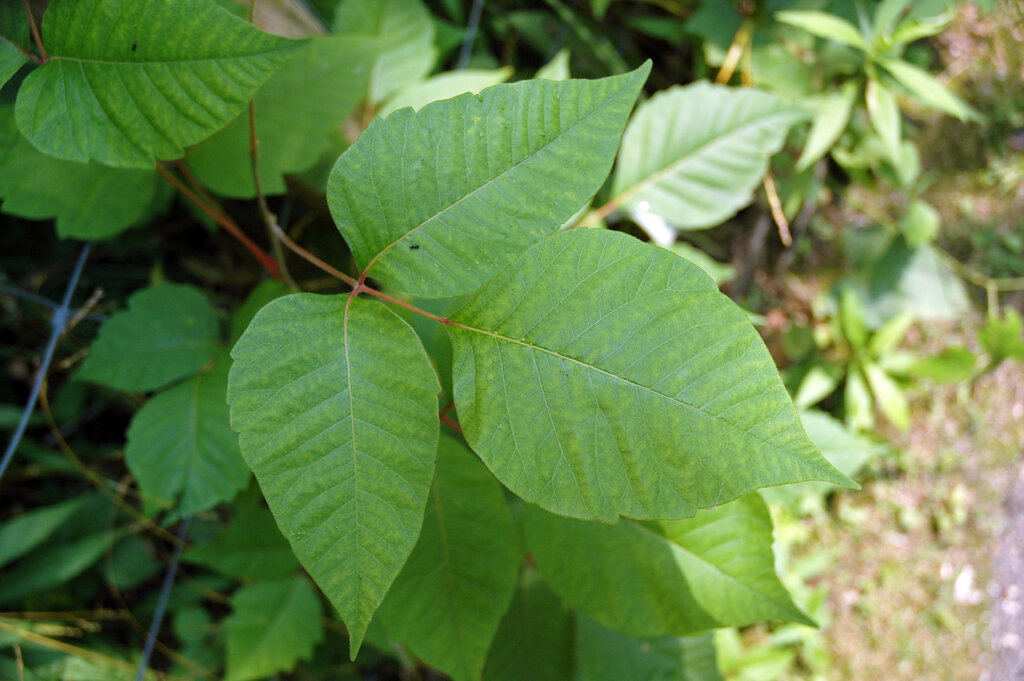
The edges of the leaflets can vary quite a bit. They might be smooth, toothed like a saw blade, or lobed. Their surface can be glossy or dull, and they change color with the seasons, from reddish in the spring to green in the summer and vibrant shades of yellow, orange, or red in the fall.
Poison ivy is a master of disguise when it comes to its growth form. You can find it in several different forms:
- A trailing vine: It can creep along the ground, forming a low carpet of leaves.
- A shrub: It can grow into a standalone, woody bush, especially in sunny areas.
- A climbing vine: Using its aerial roots, it can climb high up trees, walls, and poles. These climbing vines often look thick and hairy.
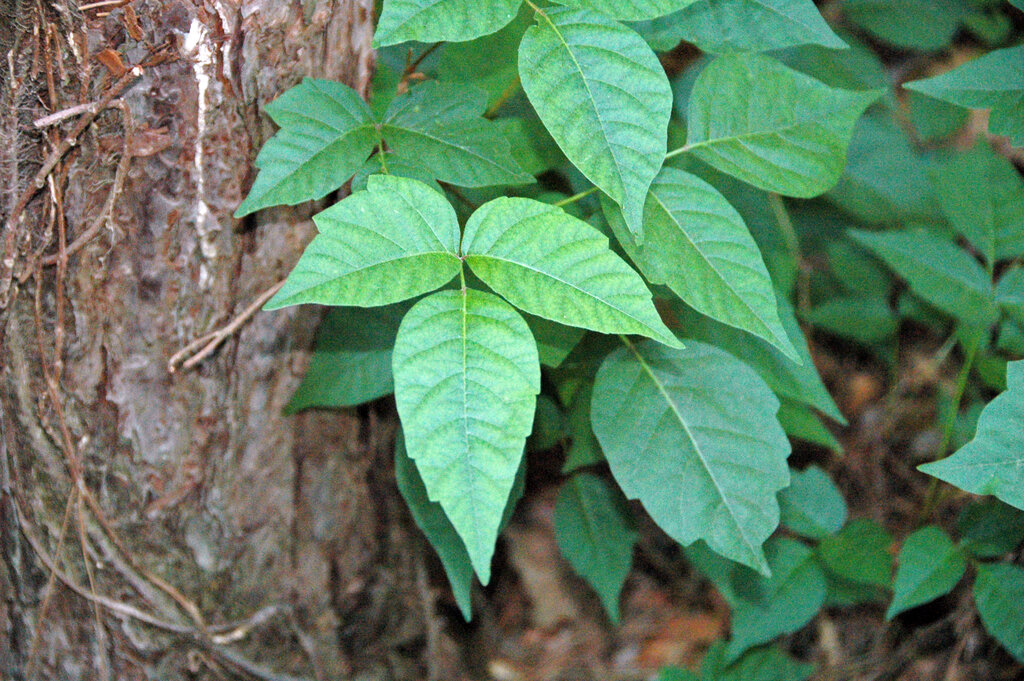
The plant also produces small, inconspicuous flowers that are greenish-white. These later develop into clusters of hard, whitish berries that are a food source for birds, but are toxic to humans.
Where It Grows
Poison ivy is extremely adaptable and widespread. It's native to North America and can be found in most of the United States and southern Canada, except for the desert southwest, Alaska, and Hawaii. It also grows in parts of Asia.
It thrives in a variety of environments, from dense woodlands to open fields. It is particularly common in disturbed areas along the edges of forests, paths, roadsides, and riverbanks. It can easily pop up in suburban parks and backyards.
Now that you've learned the basics about what poison ivy is and where it lives, let's test your knowledge.
The scientific name for poison ivy is Toxicodendron radicans. What does the species name, radicans, refer to?
A person with a severe allergy to poison ivy might also experience a reaction when handling raw cashews or mango skins.
Understanding these core characteristics is the foundation for learning how to identify this tricky plant in the wild.