The Subjective Experience of Place
Introduction to Place Perception
More Than Just a Location
Why can two people stand in the exact same spot and have completely different experiences? One might see a park as a peaceful escape, while another feels a pang of sadness, remembering a past loss. The park is the same, but their perception of it is unique. This is the essence of place perception: it's not just what you see, but how you personally experience and interpret a place.
Our perception isn't a simple recording of our surroundings. It’s an active process, filtered through our unique internal landscape. Three main factors shape how we perceive any given place: our personal history, our current emotional state, and our immediate needs.
The Lens of Your Past
Your life story acts as a filter for everything you see. A childhood home isn't just a building; it's a collection of memories, sounds, and smells. A street corner where you had your first kiss will always feel different to you than to a stranger just passing by. These accumulated experiences layer meaning onto physical locations, making your perception of them deeply personal.
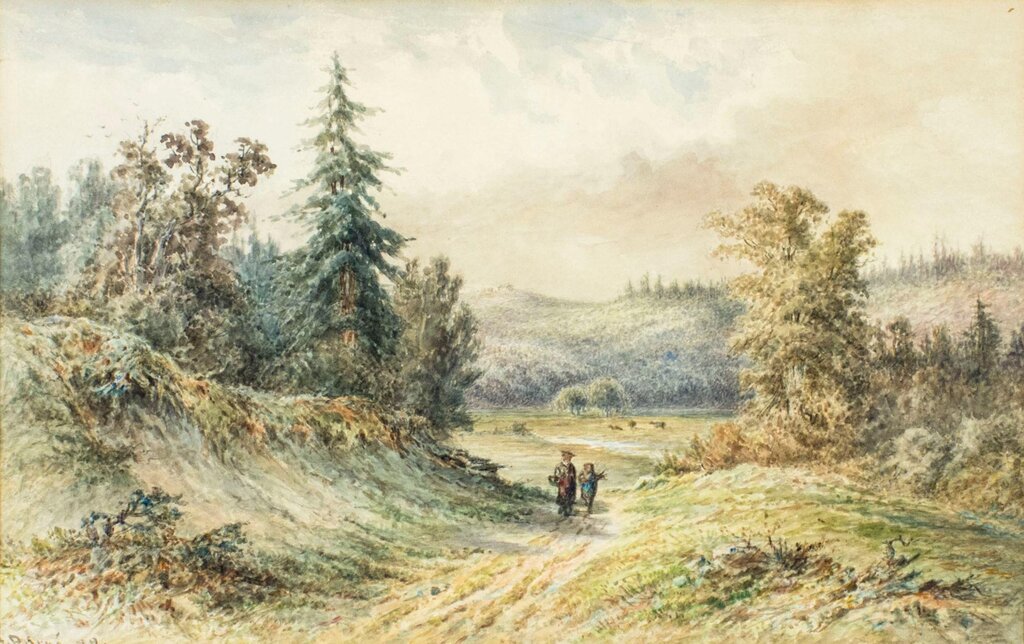
This is why tourist spots can feel magical to a first-time visitor but mundane to a local who sees them every day. The novelty for the tourist is an experience in itself, while the local’s perception is shaped by routine and long-term association.
Feelings Shape the View
Our emotions are like a color filter on a camera lens. If you’re feeling happy and relaxed, a bustling city square might seem vibrant and full of life. If you’re feeling anxious or overwhelmed, that same square can feel chaotic and threatening. The physical space doesn't change, but your emotional state completely alters how you process it.
A walk through a forest can feel enchanting when you're in a good mood, but eerie and menacing when you're afraid.
This emotional filtering happens constantly. Think about how your favorite cafe feels cozy and welcoming on a good day, but might feel small and claustrophobic if you've just had a stressful meeting. Your feelings dictate the atmosphere you perceive.
What You Need Right Now
Your immediate needs also direct your attention and shape your perception. If you're hungry, you'll notice every restaurant and food vendor on a street, while everything else fades into the background. If you're lost, your focus will be on finding street signs and landmarks, not on the architectural details of the buildings.
This principle explains why a simple park bench can seem like the most luxurious piece of furniture in the world when you're exhausted and need to rest. Your present needs prioritize what is important in a given environment, effectively creating a personalized version of that place just for you.
These ideas aren't just philosophical; they are the foundation of entire fields of study.
The study of places and the relationships between people and their environments.
Environmental psychology explores exactly this interplay between individuals and their surroundings, from natural landscapes to built environments. It examines how places affect our emotions, behavior, and well-being.
Human geography focuses on how people create, organize, and manage the spaces they live in. It emphasizes the human element of geography, asking the “why of where” to understand the deep connections between people and place.
According to the concept of place perception, why might a local resident and a first-time tourist have vastly different feelings about the same landmark?
If you are feeling stressed and overwhelmed, a normally lively and bustling public park might feel chaotic and threatening. This change in experience is primarily due to which factor of place perception?