The Streaming Economy and Future Media
Introduction to Streaming Services
The On-Demand Revolution
Not long ago, watching a movie or listening to an album meant buying a physical copy or waiting for it to air on TV or the radio. Your entertainment was on someone else's schedule. Streaming changed all of that. It allows you to watch videos or listen to audio in real time, without having to download the entire file first. This technology powers what we call on-demand media.
On-demand means you control the schedule. You can play, pause, and re-watch content whenever and wherever you want, as long as you have an internet connection.
These services are often called Over-the-Top (OTT) media services. The name comes from the fact that they deliver content over the top of traditional media distributors like cable or satellite TV companies.
Over-the-Top (OTT)
noun
A media service that delivers content like video and audio directly to viewers via the internet, bypassing traditional cable, broadcast, and satellite television platforms.
From Discs to Digital
The shift to streaming didn't happen overnight. It was led by companies that saw a new way to deliver entertainment. Netflix is the classic example. It started in 1997 as a service that mailed DVDs to your home. There were no late fees, which was a huge draw. But the company’s real goal was always digital delivery.
In 2007, Netflix launched its streaming service, allowing subscribers to watch a limited library of movies and shows instantly on their computers. This move was revolutionary. It laid the groundwork for binge-watching and fundamentally changed how we consume television.
What Netflix did for video, Spotify did for music. Launched in 2008, Spotify offered a massive library of songs you could stream for free with ads or pay a monthly fee to listen ad-free. It was a compelling alternative to both buying individual tracks and illegal downloading, which was rampant at the time.
A New Media Landscape
The rise of on-demand streaming created a seismic shift in the media world. Traditional television viewership began to decline as more people cut the cord, canceling their expensive cable subscriptions in favor of more flexible and affordable streaming options. Why pay for hundreds of channels when you only watch a few?
The media landscape is fundamentally transformed by streaming and on-demand consumption.
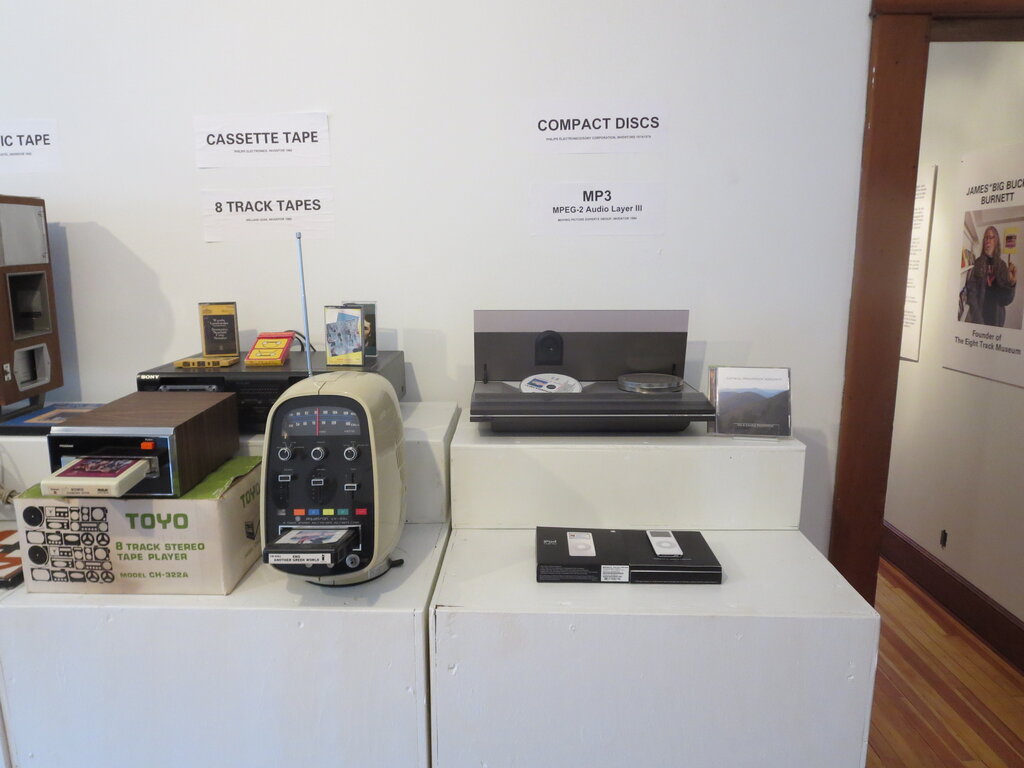
The same disruption hit the music and film industries. Album sales plummeted as listeners flocked to streaming platforms. DVD and Blu-ray sales, once a huge source of revenue for movie studios, have become a niche market. The convenience of having vast libraries of content at your fingertips was too powerful to ignore.
Where We Are Today
Today, the streaming market is crowded and competitive. The initial dominance of a few platforms has given way to the "streaming wars," with dozens of services vying for your attention. Companies like Disney, Apple, and Amazon have launched their own platforms, often pulling their content from services like Netflix to create exclusive libraries.
This competition has led to new trends. Many services that once relied solely on subscriptions now offer cheaper, ad-supported plans to attract more users. There's also been a rise in niche services that cater to specific interests, like horror movies (Shudder), British television (BritBox), or classic cinema (The Criterion Channel). This allows viewers to build their own custom entertainment packages.
This landscape continues to evolve, but one thing is certain: streaming is no longer just an alternative to traditional media. It has become the primary way most of us experience movies, music, and television.
What does the term 'Over-the-Top' (OTT) signify in the context of media services?
Netflix's original business model, launched in 1997, was centered around what activity?