The Streaming Business
Introduction to Streaming Services
The Rise of On-Demand
Streaming is the simple idea that you can watch or listen to something instantly, without having to download the entire file first. Think of it like a running tap. You get water as soon as you turn the handle, and you only use what you need. The old way, downloading, was like filling a bucket. You had to wait for the whole thing to fill up before you could use any of it.
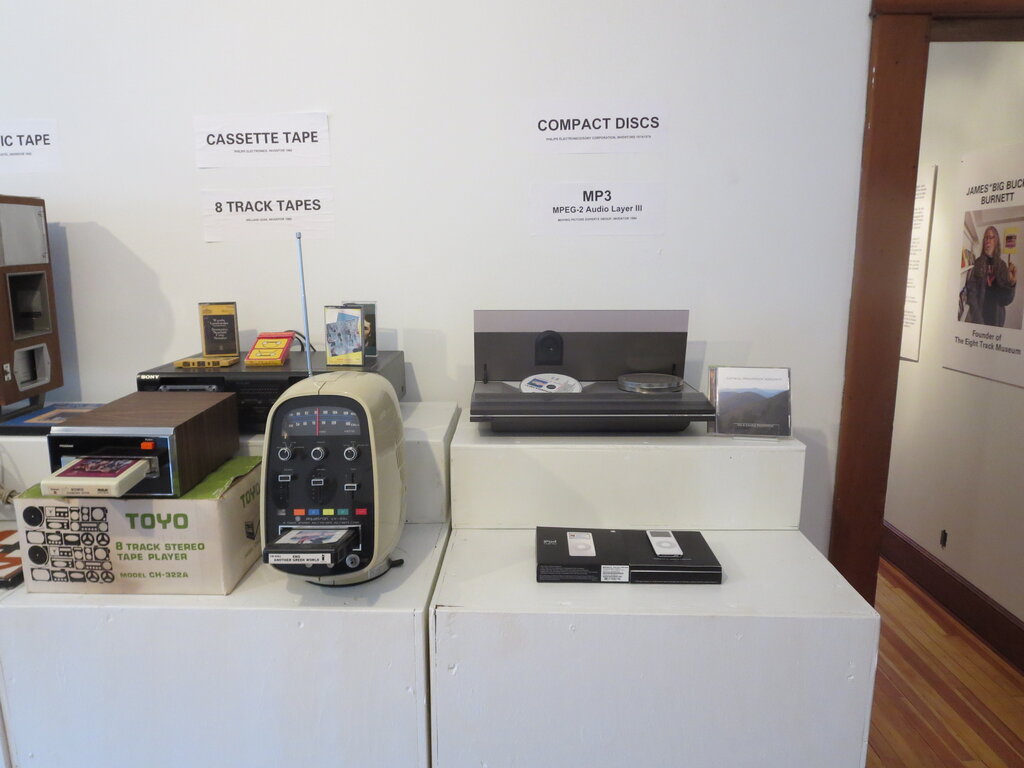
This shift from downloading to streaming changed everything. Before, our media consumption was dictated by schedules. We had to be on the couch at 8 PM for our favorite show. We bought CDs and DVDs, physical objects that took up space on our shelves. Choice was limited to what was on TV or what we owned.
Early attempts at streaming existed in the 90s, but the technology wasn't quite ready. Videos were often pixelated and paused constantly to "buffer." It was a novelty, not a replacement for traditional media. For streaming to truly take off, the internet itself had to get much, much faster.
The Tech Behind the Stream
Two key breakthroughs made modern streaming possible. The first was the widespread availability of high-speed internet. As broadband connections replaced dial-up, the digital pipes became wide enough to carry high-quality video and audio data smoothly.
The second piece of the puzzle is a clever system called a Content Delivery Network, or CDN. Instead of storing a movie on a single server in California and sending it to viewers all over the world, services like Netflix use CDNs to place copies of that movie on servers located much closer to the viewers. When you press play in London, you're likely streaming from a server just outside the city, not one across an ocean. This drastically reduces lag and buffering.
With this technology in place, the stage was set for a massive shift in how we find and consume entertainment.
A New Media Landscape
The impact of streaming was swift and disruptive. The video rental industry, once dominated by giants like Blockbuster, practically vanished. Why drive to a store with a limited selection when a vast library was available from your couch?
Television networks saw their rigid schedules lose relevance. The concept of "appointment TV" faded as viewers embraced the freedom to watch what they want, when they want. This led to the rise of binge-watching, where audiences could consume an entire season of a show in a single weekend. Streaming services became creators themselves, producing original content and competing directly with traditional Hollywood studios.
The music industry underwent a similar revolution. Platforms like Spotify and Apple Music replaced the need to buy individual songs or albums. For a flat monthly fee, users gained access to nearly all the recorded music in history. This changed how artists release music and how listeners discover new favorites.
The media landscape is fundamentally transformed by streaming and on-demand consumption.
Ultimately, streaming put control in the hands of the consumer. It satisfied a growing demand for instant gratification and personalization, fundamentally altering our relationship with media.
Let's review what we've covered.
How does the text describe the fundamental difference between streaming and downloading?
A Content Delivery Network (CDN) improves streaming quality primarily by...
This shift towards on-demand access laid the groundwork for new business models and strategies that continue to shape the entertainment world.