The Strategic Role of Insurance Agents
Agency Models and Markets
Two Paths for Insurance Agents
In the insurance world, agents are the crucial link between carriers and clients. But not all agents operate the same way. The structure of their business fundamentally shapes how they serve clients, manage relationships with insurance companies, and build their careers. The two primary paths are the captive model and the independent model.
A captive agent works for a single insurance carrier, while an independent agent represents multiple carriers.
This single distinction creates a cascade of differences in strategy, branding, market access, and day-to-day operations. Understanding these trade-offs is key to analyzing an agent's strategic role in the market.
The Captive Agent Model
A captive agent is an exclusive representative of one insurance company, such as State Farm, Allstate, or Farmers. They sell only that company's products. This structure creates a deep, integrated relationship with the carrier.
The most significant advantage is the institutional support. Captive agents benefit from the carrier's powerful brand recognition and large-scale marketing campaigns. They are provided with training, back-office support, and often a suite of technological tools to manage their business. This allows them to focus primarily on sales and service.
This single-carrier focus enables them to develop profound expertise in their company's specific policies, underwriting guidelines, and claims processes. For clients who value brand trust and a streamlined experience, a captive agent can be an ideal choice. The trade-off, however, is a lack of flexibility. If a client's needs don't fit the carrier's offerings or if the pricing isn't competitive, the captive agent has no other options to present.
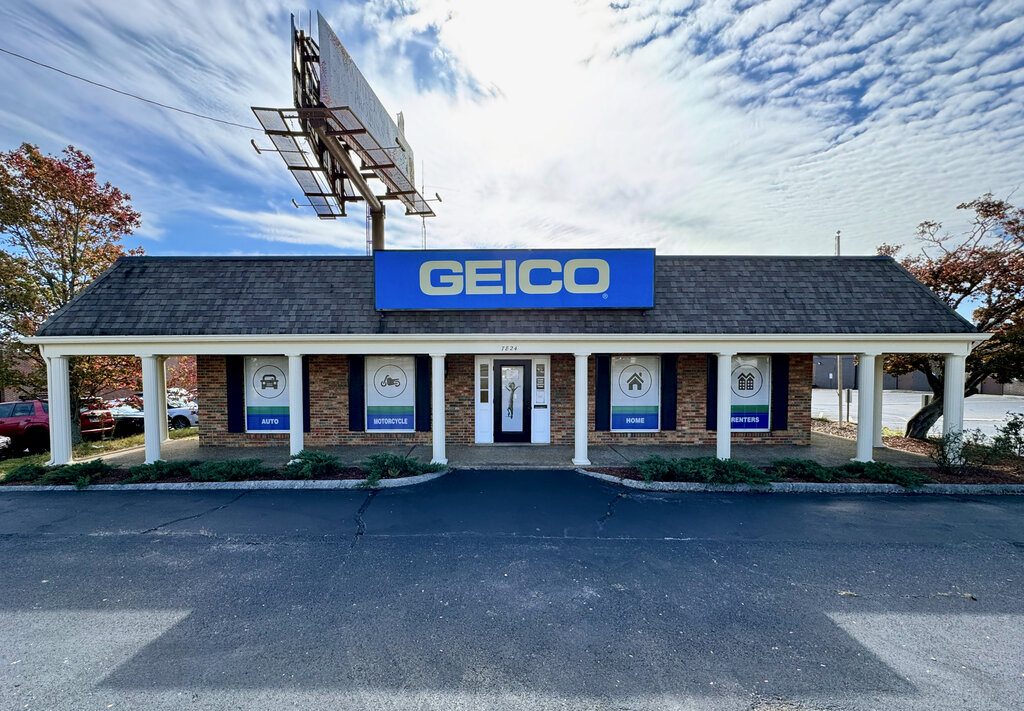
Their success is directly tied to the health and competitiveness of their parent company. Changes in the carrier's strategy, rates, or appetite for risk will immediately impact the agent's business.
The Independent Agent Model
Independent agents, often called brokers, are entrepreneurs who own their agencies. Instead of working for one carrier, they establish contracts, or appointments, with multiple insurance companies. This structure positions them as an advisor with access to a broad market of options.
The core value proposition of an independent agent is choice. For a given client, they can solicit quotes from several carriers to find the best combination of coverage and price. This is especially valuable for clients with complex or unique risks that may not fit the narrow underwriting box of a single carrier. For example, a business with specialized liability needs or a homeowner in a high-risk area might find more options through an independent agent.
This flexibility comes with its own challenges. Independent agents are responsible for building their own brand from the ground up. They must fund their own marketing, technology, and operations. Critically, they must also manage the complex web of relationships with each carrier they represent. Getting and maintaining appointments with desirable carriers requires meeting production goals and demonstrating a profitable book of business.
Unlike captive agents, who are tied to one carrier, independent agents can offer policies from multiple carriers; therefore, you can better serve your clients by tailoring coverage to their needs.
Strategic Trade-Offs
Choosing between a captive or independent path involves a series of strategic trade-offs for an agent. For a client, understanding these differences helps in selecting the right kind of advisor for their needs.
| Feature | Captive Agent | Independent Agent |
|---|---|---|
| Carrier Relationship | Exclusive, deep integration with one carrier. | Manages contracts with multiple carriers. |
| Product Offerings | Limited to a single carrier's portfolio. | Broad access to various products and pricing. |
| Branding | Leverages a large, established corporate brand. | Must build and maintain their own agency brand. |
| Commission | Often includes salary plus commission; lower commission rates. | Typically commission-only; higher commission rates per policy. |
| Market Access | Access is defined by the single carrier's appetite. | Flexible; can place diverse and complex risks. |
| Operational Support | Provided by the carrier (marketing, tech, training). | Agent is responsible for all business operations. |
Branding versus product flexibility is a central tension. A captive agent sells the strength of a trusted name. An independent agent sells the value of choice and impartial advice. Similarly, the commission structures reflect these differences. Captive agents may receive a more stable income stream with benefits, but their commissions are lower. Independent agents have higher earning potential per sale but bear all the risks and costs of running a business.
Ultimately, neither model is inherently superior. The optimal structure depends on the agent's entrepreneurial appetite, the needs of their target market, and the types of risk they specialize in managing.
What is the primary distinction between a captive and an independent insurance agent?
A small business has highly specialized liability needs that don't fit into a standard policy. Which type of agent would likely be most effective in finding appropriate coverage?