The Strategic Mastery of the Clear Conquest
Seventh Century Arabian Geopolitics
The Stalemate
By 627 CE, the conflict between the Muslims in Madinah and the Quraysh of Makkah had reached a tipping point. The massive coalition force that besieged Madinah during the had failed. This wasn't just a military defeat for the Quraysh; it was a strategic disaster. They had thrown everything they had at the new community and come away with nothing, their prestige among the Arabian tribes damaged.
The failure of the siege created a power vacuum. Neither side could deliver a knockout blow. The Muslims were too few to march on Makkah, and the Quraysh had exhausted their ability to form a winning coalition. The Arabian Peninsula was locked in a cold war, with skirmishes and raids replacing large-scale battles. The conflict shifted from the battlefield to a struggle for economic dominance and political influence.
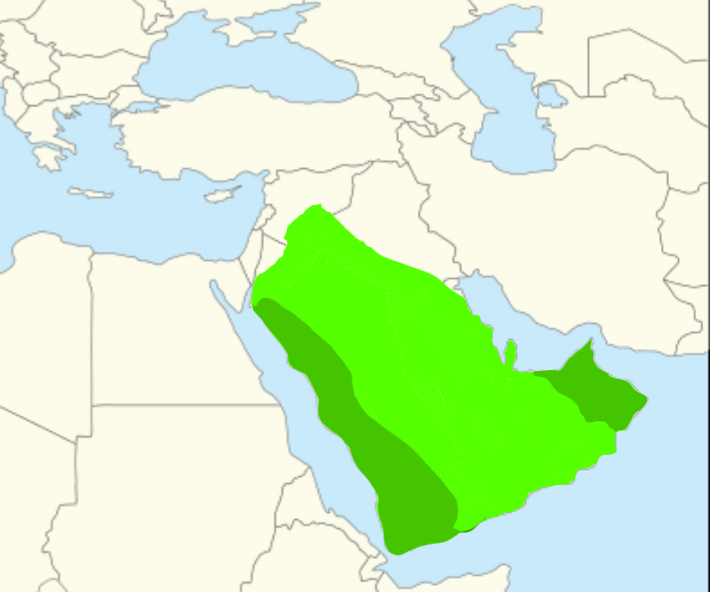
The Economic War
Makkah's power wasn't just military; it was economic. The city was a major hub for the caravan trade that moved goods from Yemen in the south to Syria in the north. The leadership of the derived their wealth and influence from controlling these lucrative routes.
After the Hijra, the Muslims in Madinah were perfectly positioned to disrupt this flow of commerce. From their new base, they began a strategic campaign of intercepting Makkan caravans. This wasn't mere banditry; it was a targeted blockade designed to cripple the Makkan economy.
Each successful raid not only enriched the Muslim community but also demonstrated their growing power to other tribes. It sent a clear message: the old order was vulnerable, and a new power was rising in the north. The Quraysh were forced to find longer, more dangerous, and less profitable routes through the desert, straining their resources and weakening their alliances.
By controlling the strategic corridor north of Makkah, the Muslims turned the Quraysh's greatest strength, trade, into their biggest vulnerability.
A Web of Alliances
Arabian society was built on a complex network of tribal loyalties. Power was decentralized, and alliances were fluid, often sealed through marriage, trade agreements, or mutual defense pacts. Both Makkah and Madinah actively courted neutral tribes, seeking to tip the balance of power in their favor.
The Muslim community in Madinah was itself an alliance between the (emigrants from Makkah) and the Ansar (the local tribes of Madinah). This internal unity was a source of strength. Meanwhile, the Quraysh relied on their long-standing relationships with powerful nomadic tribes like the Banu Ghatafan, who provided fighters for their campaigns in exchange for a share of the spoils.
The pilgrimage, or Hajj, was a critical factor. The routes to Makkah passed through the territories of many tribes. The Quraysh, as custodians of the Kaaba, guaranteed safe passage during the sacred months, which reinforced their authority. By challenging the Quraysh, the Muslims were also challenging this established system. If they could demonstrate an ability to perform the pilgrimage on their own terms, it would be a major symbolic and political victory, showing other tribes that Makkah's authority was no longer absolute.
| Faction | Key Groups | Primary Motivation |
|---|---|---|
| Madinah | Muhajirun, Ansar (Aws & Khazraj) | Establish a secure community, spread their faith, and break Quraysh dominance. |
| Makkah | Quraysh Clans (e.g., Banu Umayya, Banu Makhzum) | Protect economic interests (trade routes) and maintain religious authority over the Kaaba. |
| Allies of Makkah | Ghatafan, Banu Sulaym | Mercenary support, share in caravan profits, maintain traditional power structures. |
| Neutral/Shifting Tribes | Banu Khuza'ah, Banu Bakr | Self-preservation, opportunistically siding with the stronger power, securing their own trade. |
This complex web of interests meant that any diplomatic move by one side would send ripples across the entire peninsula. The stalemate after the Battle of the Trench had made it clear that a new approach was needed. The stage was set for a confrontation not of swords, but of wills and diplomacy, centered on the most sacred of Arab traditions: the pilgrimage.
What was the primary strategic purpose of the Muslim raids on Makkan trade caravans after the Battle of the Trench?
Following the failed siege of Madinah, the conflict between the Muslims and the Quraysh entered a phase best described as a...
The events leading to 628 CE show a clear shift. The failure of military force pushed both Makkah and Madinah toward a different kind of confrontation, one where economic pressure and political maneuvering would prove decisive.