The Strategic Dynamics of the Battle of Uhud
Strategic Build-up
The Thirst for Revenge
The defeat at the Battle of Badr was a humiliation the Quraish of Mecca could not endure. Their leaders had been killed, their prestige shattered, and their trade routes to Syria threatened. The loss was more than strategic; it was a deep, personal wound. For a year, Mecca simmered with a desire for revenge, fuelled by grief and a need to restore their dominance in Arabia.
The drive to retaliate was spearheaded by figures like , who had taken over leadership after the losses at Badr. He, along with others who had lost family members, swore vengeance. They began to amass a new army, far larger and better equipped than the one defeated a year earlier. Profits from a rich trade caravan that had escaped the Muslims at Badr were dedicated entirely to funding this new military expedition.
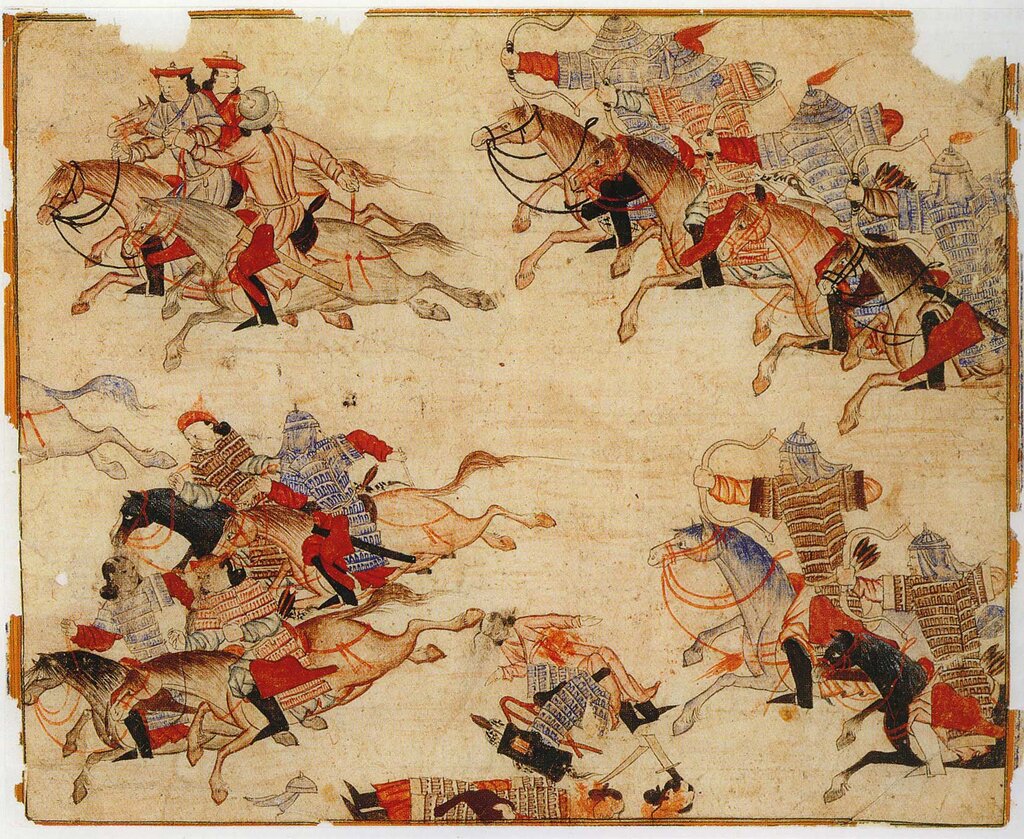
Their mobilisation was meticulous. The Quraish gathered a force of around 3,000 soldiers, including a formidable cavalry of 200 horsemen. To bolster morale and ensure there would be no retreat, they brought along a contingent of high-ranking women, including the wife of Abu Sufyan, Hind bint Utbah. Their role was to sing songs, remind the men of the dead at Badr, and shame anyone who considered fleeing. This was to be a decisive confrontation.
The Council in Medina
Word of the approaching Meccan army soon reached Prophet Muhammad in Medina. His uncle, al-Abbas, who still lived in Mecca, sent a swift messenger detailing the enemy's numbers, equipment, and route. Faced with this overwhelming threat, the Prophet convened a council of war, a consultative meeting known as a , to decide on the best defensive strategy.
The Prophet's own preference, shared by many of the older, more experienced companions, was to remain within the city. Medina was a natural fortress, with its dense clusters of buildings and fortified houses. They could use the narrow alleyways to their advantage, neutralising the Quraish cavalry and fighting a defensive battle of attrition. This strategy minimised risk and played to their strengths.
However, a different opinion emerged, primarily from the younger men, many of whom had missed the glory of Badr. They were filled with zeal and saw a defensive siege as a sign of weakness. To them, staying behind walls felt cowardly. They argued passionately for meeting the Quraish in open battle, trusting in their faith and courage to win the day, just as they had at Badr. Their enthusiasm was infectious.
The debate was intense, but the sheer number and passion of those advocating for an offensive battle carried the day. Despite his reservations, the Prophet Muhammad listened to the will of the majority. He went into his house and emerged wearing his armour. The decision was made. The Muslim army would march out to meet the Quraish.
This moment revealed a crucial aspect of his leadership: while he had his own sound military judgment, he respected the consultative process and the collective will of the community. With the strategy settled, the stage was set for the forces to meet at the foot of Mount Uhud.
What was the primary motivation for the Quraish of Mecca to seek another battle after their loss at Badr?
Who took over the leadership of the Quraish after the deaths at Badr and spearheaded the campaign for revenge?
Understanding these pre-battle decisions is key to understanding the events that unfolded at Uhud.