The Story of Women
Introduction to Women's History
Beyond the Sidelines
History is often told as a story of kings, battles, and empires. In these traditional accounts, women frequently appear in the margins, if at all. But women were never just passive observers. They have always been farmers, innovators, rulers, artists, and rebels who shaped their societies in fundamental ways.
Women's history isn't a separate story, but a crucial part of the whole human story. It seeks to uncover the experiences and contributions that have been overlooked, providing a more complete and accurate picture of our past.
Early Societies
In prehistoric hunter-gatherer societies, survival depended on everyone's contribution. The popular image of “man the hunter” providing for a passive family is a modern invention. Archaeological evidence suggests a more balanced reality. Women were essential providers, gathering the majority of the community's food through their knowledge of plants and local ecosystems.
Beyond gathering, women likely played central roles as healers, artisans, and keepers of cultural traditions. Many early societies are now thought to have been relatively egalitarian, with power and influence shared more evenly between the sexes. The invention of agriculture, while a major step for civilization, began to shift these dynamics. As societies became more settled and focused on land ownership, patriarchal structures began to emerge, often limiting women's public roles.
Builders of Civilizations
In the ancient world, women's lives varied dramatically from one culture to another. In ancient Egypt, women enjoyed a relatively high status. They could own property, run businesses, and inherit the throne. Rulers like Hatshepsut and Cleopatra wielded immense power, shaping the course of their empire.
In contrast, women in ancient Greece and Rome faced more restrictions. In Athens, they were largely confined to the home and excluded from political life. However, they managed households, played vital roles in religious festivals, and influenced society through their families. Roman women, while still without the right to vote, could own property and were often key figures in business and social networks. Across all these civilizations, women were priestesses, poets, artisans, and mothers, forming the backbone of their communities.
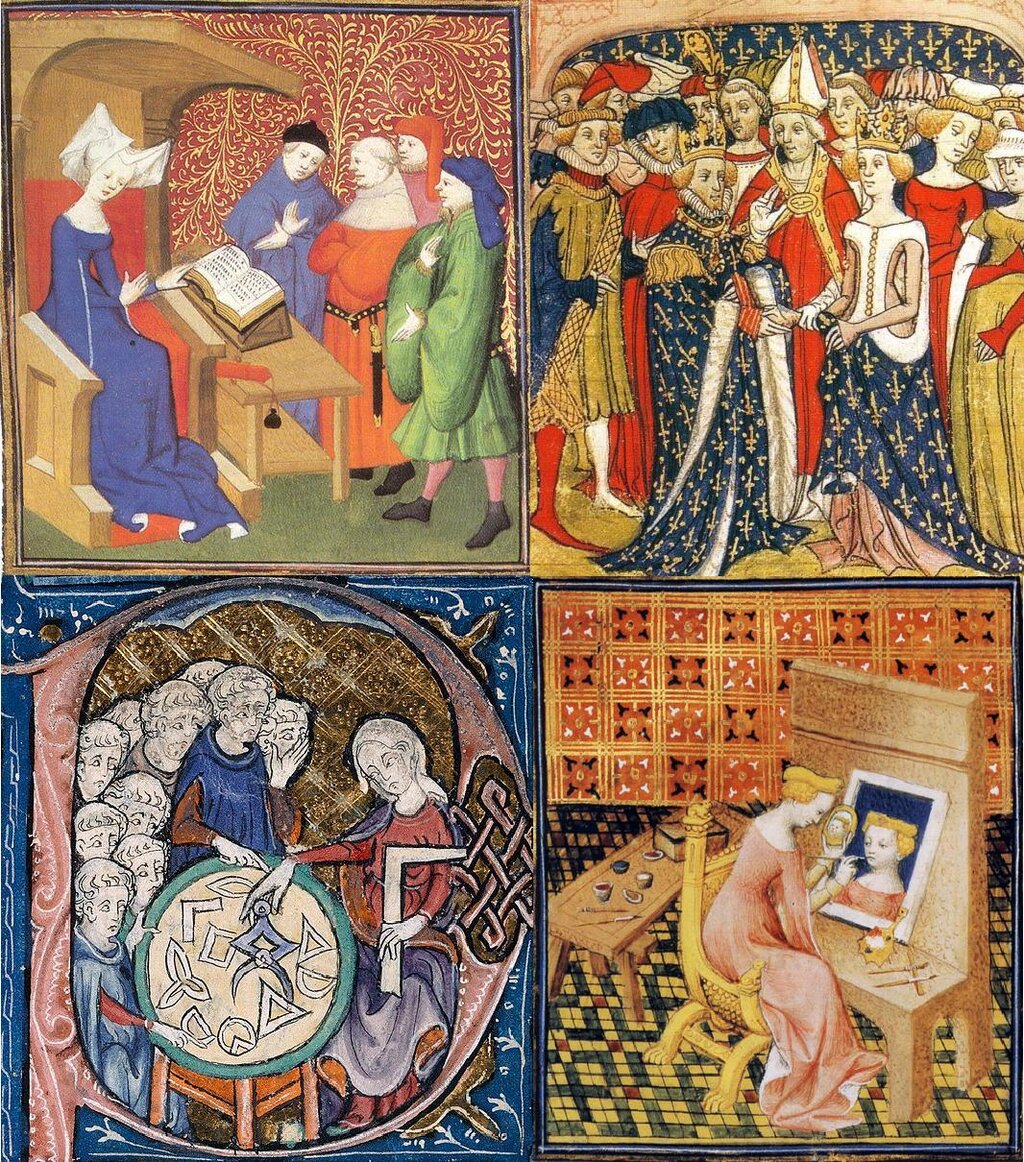
Major historical events often had a profound and complex impact on women. The rise of world religions like Christianity and Islam brought both new opportunities and new limitations. While convents offered women access to education and leadership, religious doctrines were often interpreted to reinforce patriarchal norms.
The Renaissance, a period of cultural rebirth, celebrated the achievements of men while often further confining upper-class women to the domestic sphere. Yet, the same era produced powerful queens like Elizabeth I of England and pioneering female artists and writers who challenged the status quo.
The Fight for Rights
The idea that women deserve the same rights as men is a relatively recent development in human history. For centuries, legal and social systems were built on the assumption of female inferiority. Women were denied access to education, professions, and the right to own property or vote.
The Enlightenment in the 18th century, with its focus on reason and individual rights, planted the seeds for change. Thinkers like Mary Wollstonecraft began to argue that women, too, were rational beings deserving of liberty. These ideas fueled the first organized movements for women's rights in the 19th century.
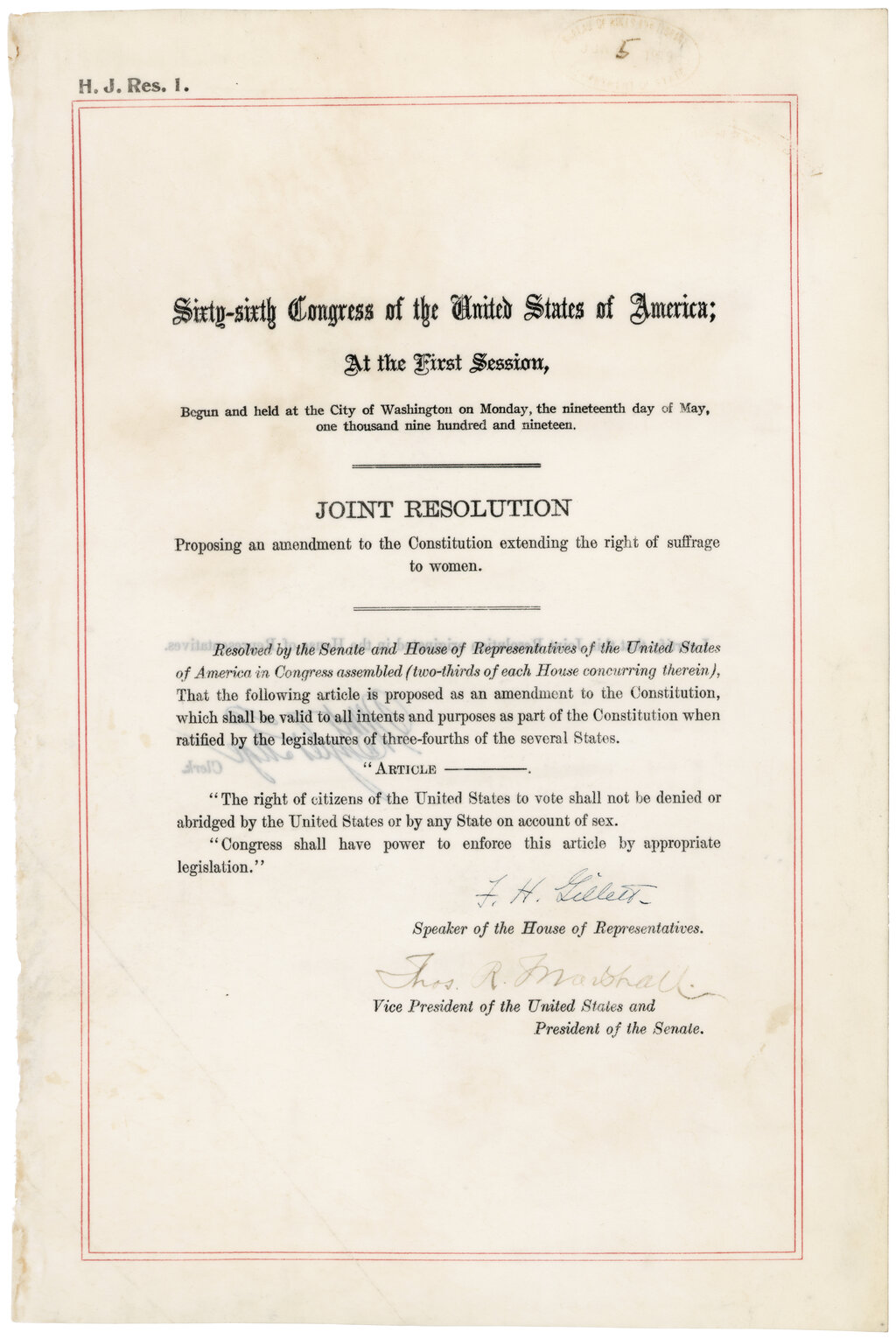
Early activists, known as suffragists, campaigned tirelessly for the right to vote. They organized marches, published newspapers, and engaged in civil disobedience, facing ridicule and imprisonment. Their struggle was part of a broader push for women's access to higher education, professional careers, and legal equality.
Winning the right to vote was a pivotal moment, but it was just one step in a longer journey. The fight for equality would continue to evolve, tackling new challenges in the centuries to come.
Ready to test your knowledge? This quiz will cover the key ideas from this introduction to women's history.
What is the primary goal of studying women's history, according to the provided text?
The popular image of “man the hunter” providing for a passive family in prehistoric times is an accurate reflection of hunter-gatherer societies.
Understanding women's history helps us see the full picture of our shared past and recognize the forces that continue to shape our world today.