The Story of the Land of Israel
Ancient Canaanite Period
The Land of Canaan
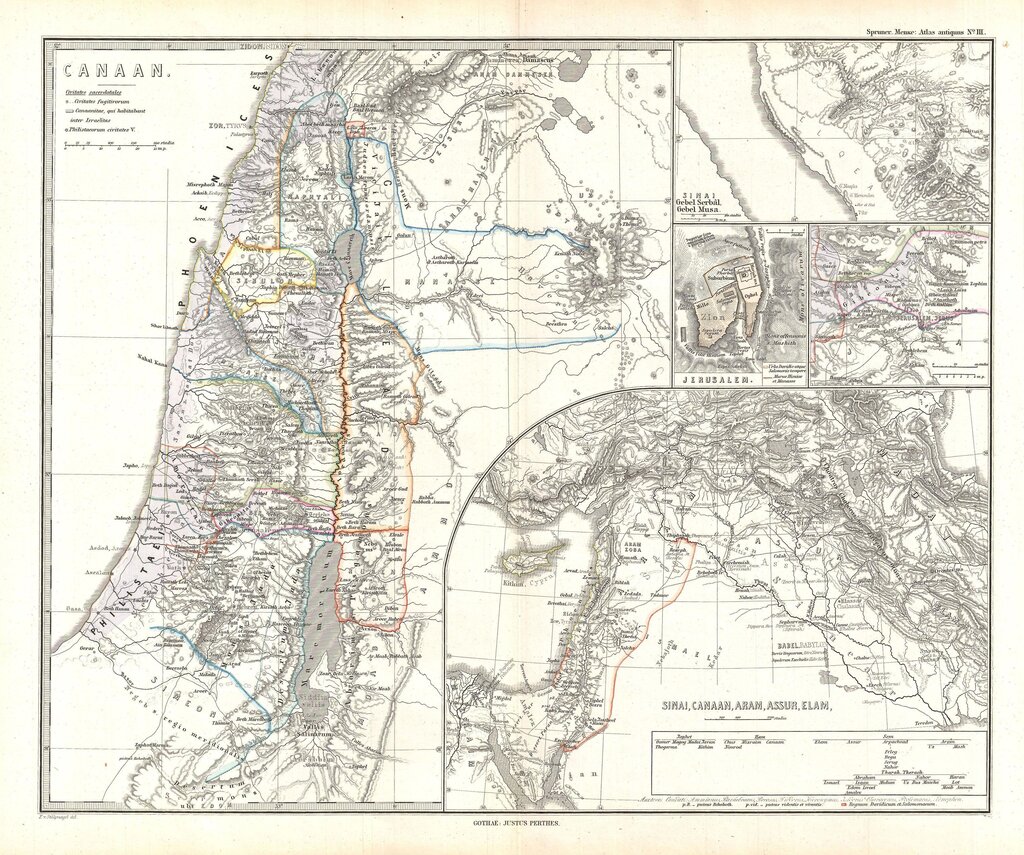
Long before the Israelites, the land we now call Israel was known as Canaan. This region, nestled along the eastern edge of the Mediterranean Sea, flourished during the Bronze Age, roughly from 3500 to 1200 BCE. The people who lived here are called Canaanites, but they didn't see themselves as a single, unified nation. Instead, they lived in a collection of independent city-states, each with its own ruler and territory.
Canaan's location was both a blessing and a curse. It formed a land bridge connecting the great powers of the time: Egypt to the south, Mesopotamia to the east, and the Hittite empire to the north in Anatolia (modern-day Turkey). This prime real estate made Canaan a vital hub for trade and a crossroads of culture. Ideas, goods, and languages flowed through its cities. But it also made the region a constant target for conquest by its powerful neighbors.
A Culture of Cities
Archaeology has uncovered the remains of major Canaanite cities like Megiddo, Hazor, and Gezer. These were not just simple settlements; they were fortified urban centers with large public buildings, palaces, and temples. Thick defensive walls protected the inhabitants, a clear sign that life could be precarious.
Inside these walls, a complex society thrived. Rulers and a noble class lived in luxury, while skilled artisans produced beautiful pottery, intricate ivory carvings, and fine metalwork. Trade was the engine of the economy. Canaanite merchants exported timber, olive oil, wine, and other local goods, while importing metals, precious stones, and luxury items from across the ancient world.
The Canaanites developed one of the earliest alphabetic writing systems, a major innovation that simplified recording and communication. Their religion was polytheistic, with a pantheon of gods and goddesses who controlled the forces of nature. The chief god was El, the father of the gods, but the most active and popular deity was often Baal, the storm god responsible for rain and fertility. Worship took place in temples where priests performed rituals and made offerings to ensure the gods' favor.
Neighbors and Rivals
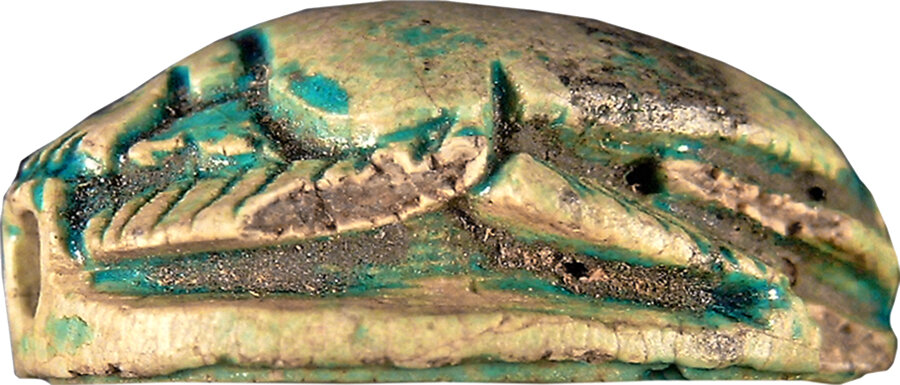
For much of the Late Bronze Age (c. 1550–1200 BCE), Canaan was under the thumb of Egypt. The pharaohs treated the region as a valuable province of their empire, extracting tribute and stationing garrisons in key cities. Egyptian influence is visible everywhere in the archaeological record, from art and architecture to religious symbols like the scarab.
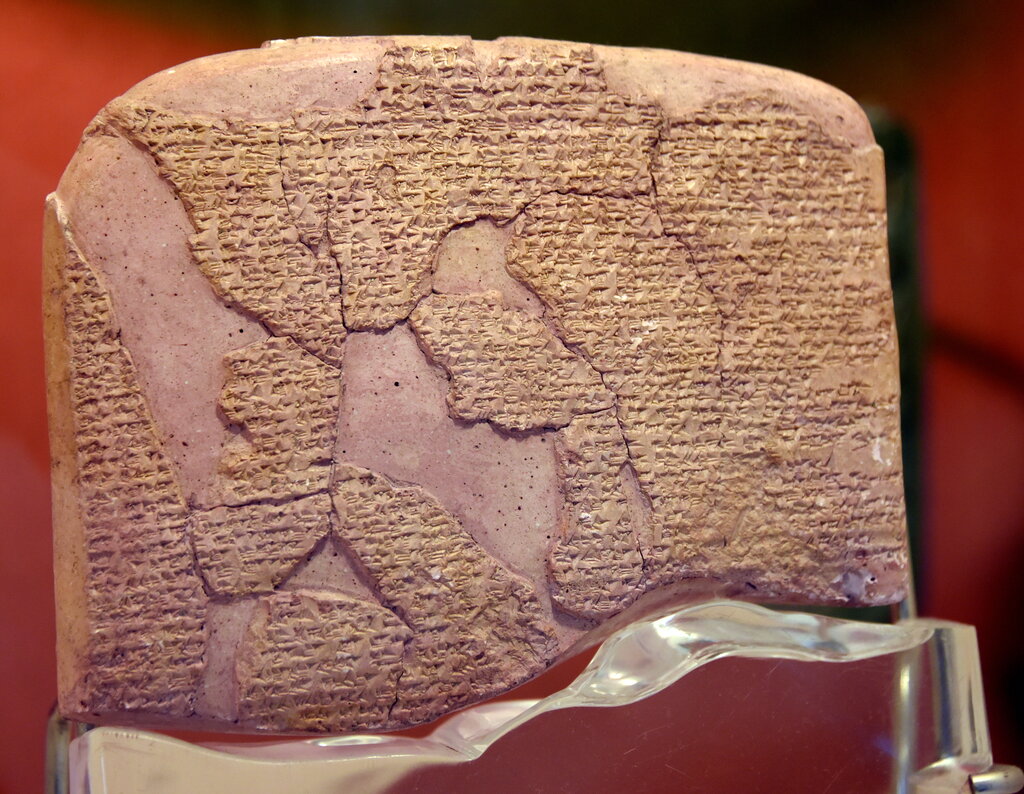
To the north, the powerful Hittite Empire constantly vied with Egypt for control of the region. The Canaanite city-states were often caught in the middle, forced to pledge allegiance to one superpower or the other. This geopolitical struggle defined life in Canaan for centuries.
Beyond these empires, Canaanites were active participants in the wider Mediterranean world. Their ships sailed to Cyprus for copper and to the Aegean to trade with the Mycenaeans. This constant interaction made Canaanite culture a dynamic blend of local traditions and foreign influences.
The Canaanite period was a time of sophisticated urban life, extensive trade, and constant negotiation between local rulers and powerful foreign empires.
Let's review some of the key ideas from this period.
Now, check your understanding of ancient Canaan.
What was the primary political structure of Canaan during the Bronze Age?
Which major empire exerted the most dominant control over Canaan during the Late Bronze Age (c. 1550–1200 BCE)?
Toward the end of the Bronze Age, around 1200 BCE, this interconnected world experienced a widespread collapse, setting the stage for new peoples and powers to emerge in the region.