The Story of Scotch and Glenfiddich
Origins of Scotch Whisky
The Water of Life
The story of Scotch whisky begins not in a grand distillery, but in the pages of a tax record. In 1494, the Exchequer Rolls of Scotland noted an order of malt to a Friar John Cor to make 'aqua vitae'. This Latin phrase, meaning 'water of life', was the term for distilled spirits.
To Friar John Cor, by order of the king, to make aqua vitae, VIII bolls of malt.
This single entry is the first written proof of whisky production in Scotland. It tells us two key things: distilling was already happening, and it was often the work of learned men, like those in monasteries.
Monks and Medicine
Distillation wasn't invented in Scotland. The practice of heating a liquid to create vapor and then condensing it back into a more concentrated liquid arrived from mainland Europe. Monasteries were the centers of knowledge and technology at the time, and monks traveling between countries brought these skills with them.
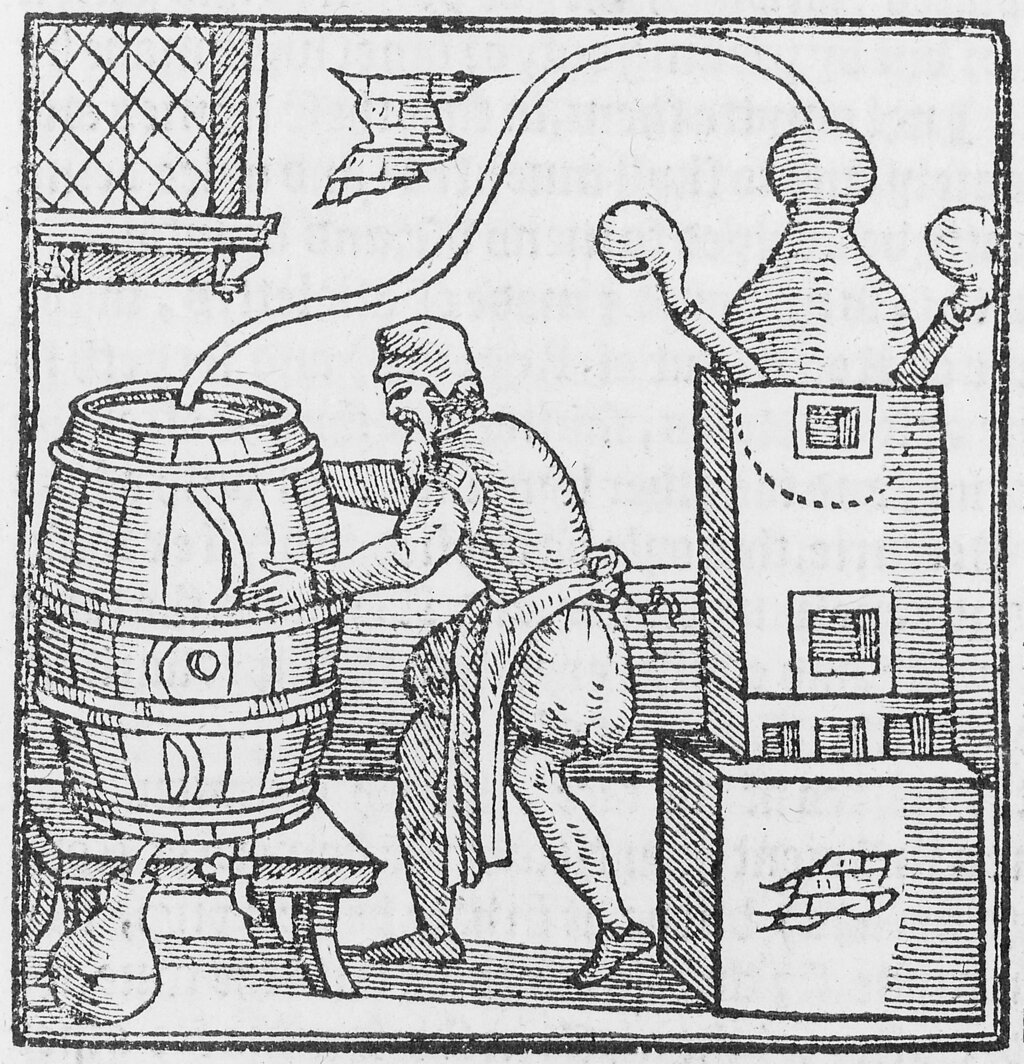
Initially, aqua vitae wasn't a social drink. It was a potent, unaged spirit used as medicine. It was prescribed for all sorts of ailments, from preserving health and prolonging life to treating colic and smallpox. The earliest stills were small, simple pots, and the spirit they produced would have been harsh, fiery, and likely flavored with herbs or spices to make it more palatable.
Distillation
noun
The process of purifying a liquid by heating and cooling.
From Farm to Glass
In the 16th century, King Henry VIII of England ordered the dissolution of the monasteries. As monks were displaced, their knowledge of distilling spread to the general population. Scottish farmers, particularly in the Highlands, found a new use for their surplus barley. Instead of letting it spoil, they could turn it into a spirit that was easier to store and transport.
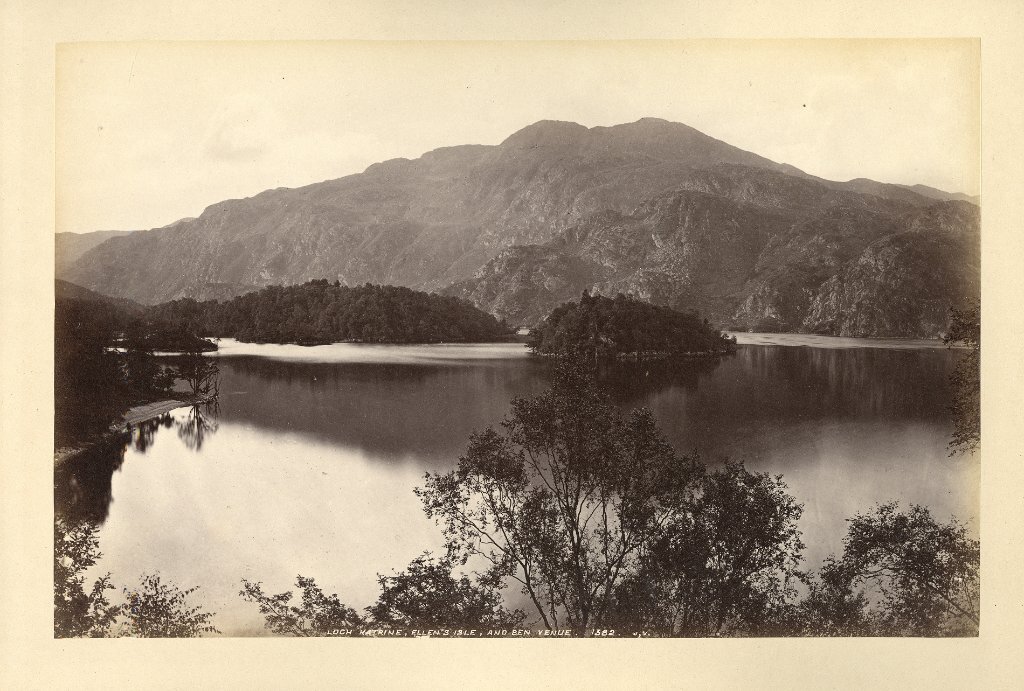
This was the birth of farm distilling. Production was small-scale and unregulated. Techniques evolved through trial and error. Over time, distillers discovered that drying malted barley over peat fires infused the spirit with a smoky flavor, a characteristic that would become a signature of many Scotch whiskies.
This early, rustic spirit was a far cry from the complex whiskies we know today. Aging in wood wasn't yet a common practice, so the drink was consumed young. It was a raw, powerful spirit for a raw, powerful time, warming people against the cold Highland winters and providing a valuable commodity for trade.
Let's test your knowledge on the humble beginnings of Scotch.
What is the earliest known written evidence of whisky production in Scotland?
The Latin term 'aqua vitae', used for the earliest spirits, translates to 'water of life'.
From medicinal spirits made by monks to a farmhouse staple, the foundations for the modern whisky industry were laid over centuries of tradition and necessity.