The Story of Paris Through the Ages
Roman Foundations
Roman Foundations
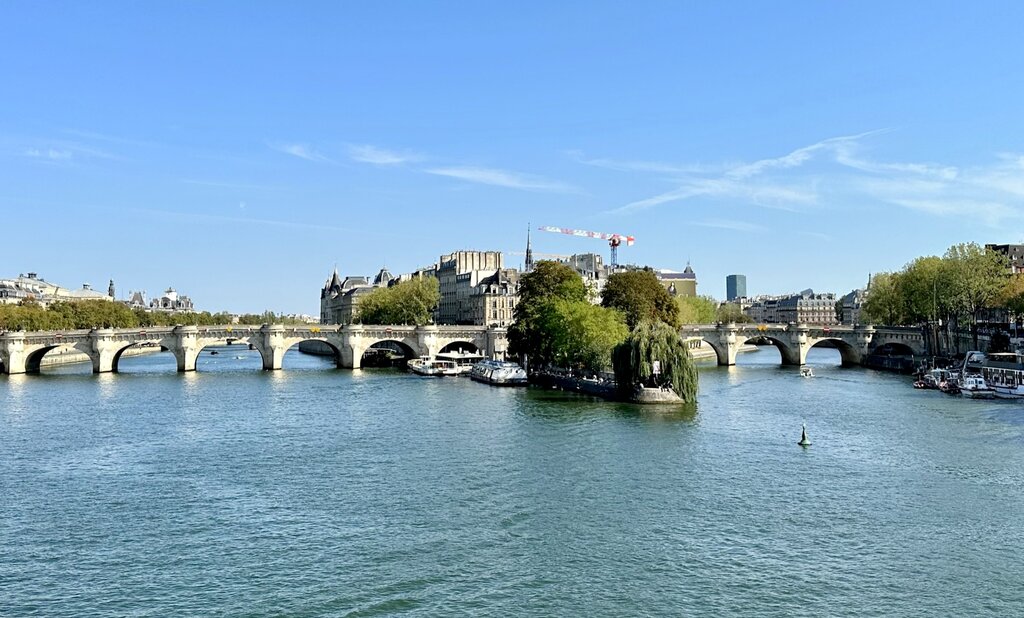
Before Paris was Paris, it was a small settlement on an island in the Seine River. This was home to a Celtic tribe called the Parisii. They were fishermen and boatmen who controlled trade along this stretch of the river. Their settlement, situated on what is now the Île de la Cité, was a strategic and valuable location.
From the Roman conquest of Gaul in ancient times to the World Wars during the 20th century, modern France is built on a unique history of invasion and revolution, where royalty was once seen as divine and where five republics have been declared since its abolition.
In 52 BCE, Julius Caesar's Roman legions conquered the region. The Romans recognized the settlement's potential. They rebuilt the Parisii's small town into a proper Roman city, renaming it Lutetia Parisiorum, or simply Lutetia.
Lutetia
noun
The Gallo-Roman city that was the predecessor of modern Paris. It was founded in the 1st century BCE after the Roman conquest.
Lutetia's location was its greatest asset. The Île de la Cité provided a natural defense and a convenient crossing point for the Seine. The river itself was a highway for goods, connecting Lutetia to the rest of Gaul and the wider Roman Empire. The city quickly grew from a small island settlement, expanding onto both the left and right banks of the river.
Building a Roman City
The Romans were master engineers and urban planners. They laid out Lutetia on a grid system, a hallmark of their cities. The main north-south street, the cardo maximus, ran from the Left Bank, across the island, to the Right Bank. This street established a central axis that would influence Paris's development for centuries.
They also built the infrastructure necessary for a bustling regional capital. A 16-kilometer aqueduct carried fresh water into the city, supplying public fountains and bathhouses. A network of stone-paved roads connected Lutetia to other major Roman cities like Lyon, making it a hub for trade and military movement.
Like any major Roman city, Lutetia had public buildings for administration, commerce, and entertainment. At its heart was the forum, a large open square surrounded by temples and government offices, which served as the center of public life. For leisure, citizens could visit the public baths or attend events at the amphitheater, a venue large enough to hold over 15,000 spectators for plays and gladiatorial contests.
Echoes of Lutetia
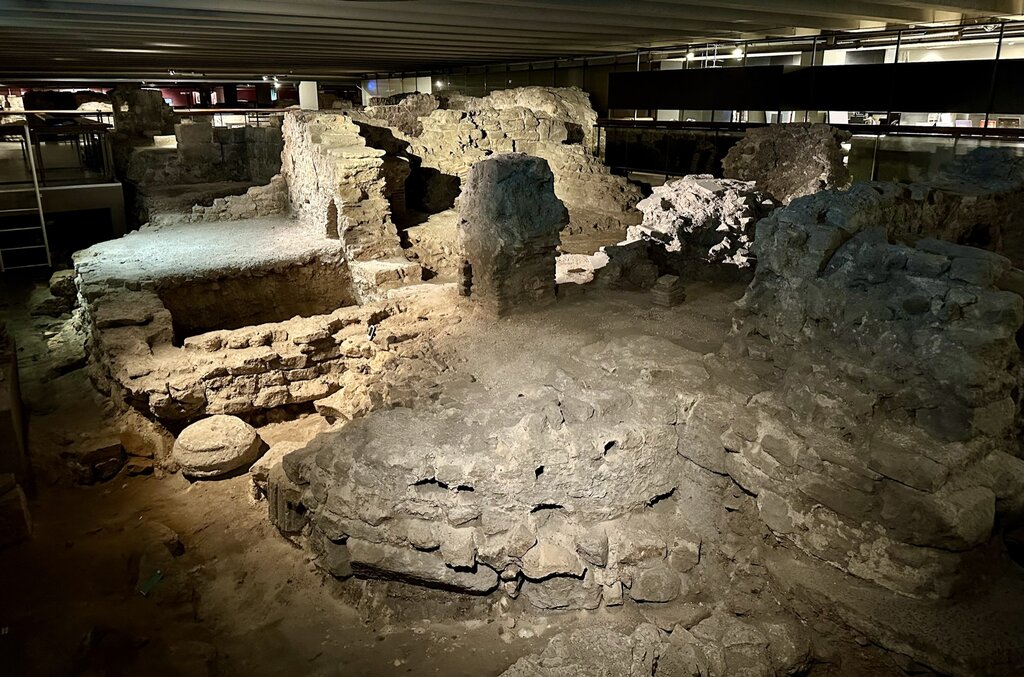
Though the Roman Empire eventually fell, its foundation in Paris remained. Today, you can still walk through the remnants of Lutetia. The most impressive are the ruins of the public bathhouse, the Thermes de Cluny, located in the Latin Quarter. You can also visit the Arènes de Lutèce, the ancient amphitheater, which was rediscovered in the 19th century and is now a public park.
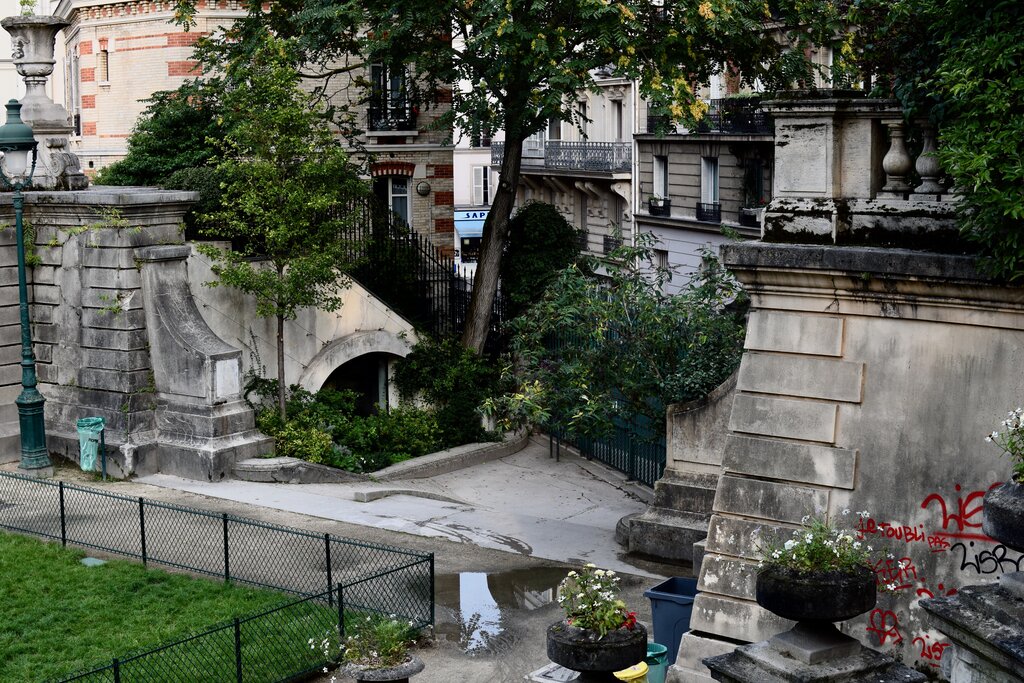
Beneath the plaza in front of Notre-Dame Cathedral lies the Archeological Crypt, where you can see the foundations of Roman buildings and streets exactly where they were built two thousand years ago.
These remnants are more than just ruins. They represent the blueprint upon which Paris was built. The Roman choice of location, the north-south axis they established, and their initial infrastructure set the stage for the city's evolution into one of the world's great metropolises.
Now, let's test what you've learned about the Roman origins of Paris.
Before the Romans arrived, the settlement on the Île de la Cité was inhabited by which Celtic tribe?
What was the Roman name for the city that would eventually become Paris?
This early chapter in the city's history established Paris as a center of power and culture, a role it would continue to play for the next two millennia.