The Story of Italian Food
Ancient Foundations
Ancient Foundations
The story of Italian food doesn't start with pizza or pasta. Its roots reach much deeper, into the soil of ancient civilizations. The Etruscans, Greeks, and Romans all left their mark on the peninsula, establishing the ingredients and attitudes that would shape Italian cuisine for millennia.
The Etruscan Table
Long before Rome was an empire, the Etruscans flourished in central Italy. They were skilled farmers who cultivated the land, growing grains like emmer wheat, which we know today as farro. Their diet was simple and rustic, built around porridge, legumes, and fresh vegetables. They also enjoyed fruits, cheese, and meats from hunting and raising livestock.
Etruscans were known for their banquets, which were important social events. While not as famously extravagant as later Roman feasts, they valued the act of sharing a meal. Their cooking was straightforward, relying on roasting and boiling to prepare their food.
Greek Gifts
Around the 8th century BCE, Greek colonists settled in Southern Italy, a region they called Magna Graecia, or "Great Greece." They brought with them three foundational elements of Mediterranean cooking: the grape, the olive, and a philosophy of simplicity.
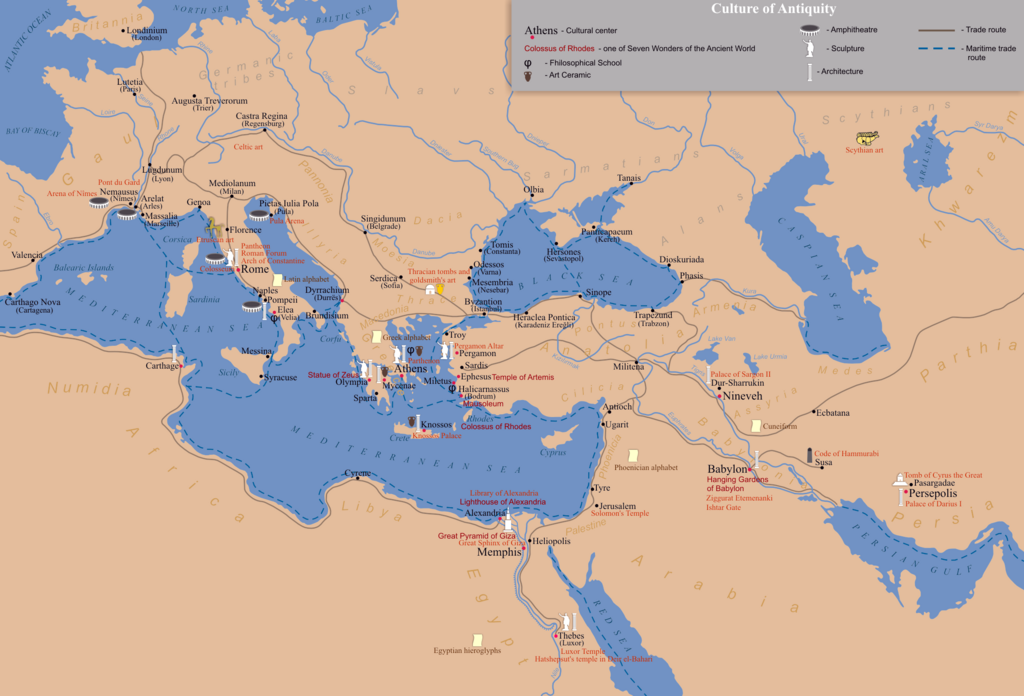
The Greeks introduced advanced techniques for cultivating olive trees and grapevines. This led to the widespread production of olive oil and wine, two ingredients that are now inseparable from Italian food. Olive oil became the primary source of fat for cooking and dressing food, while wine became a staple of daily life and social gatherings.
More than just ingredients, the Greeks brought an approach to food that valued the quality and freshness of the raw materials. This idea of letting simple, excellent ingredients shine remains a core principle of Italian cooking today.
Dining in Rome
The Romans absorbed and expanded upon the culinary traditions of the Etruscans and Greeks. Their vast empire brought new ingredients and influences to Italy, but the core of their diet remained Mediterranean.
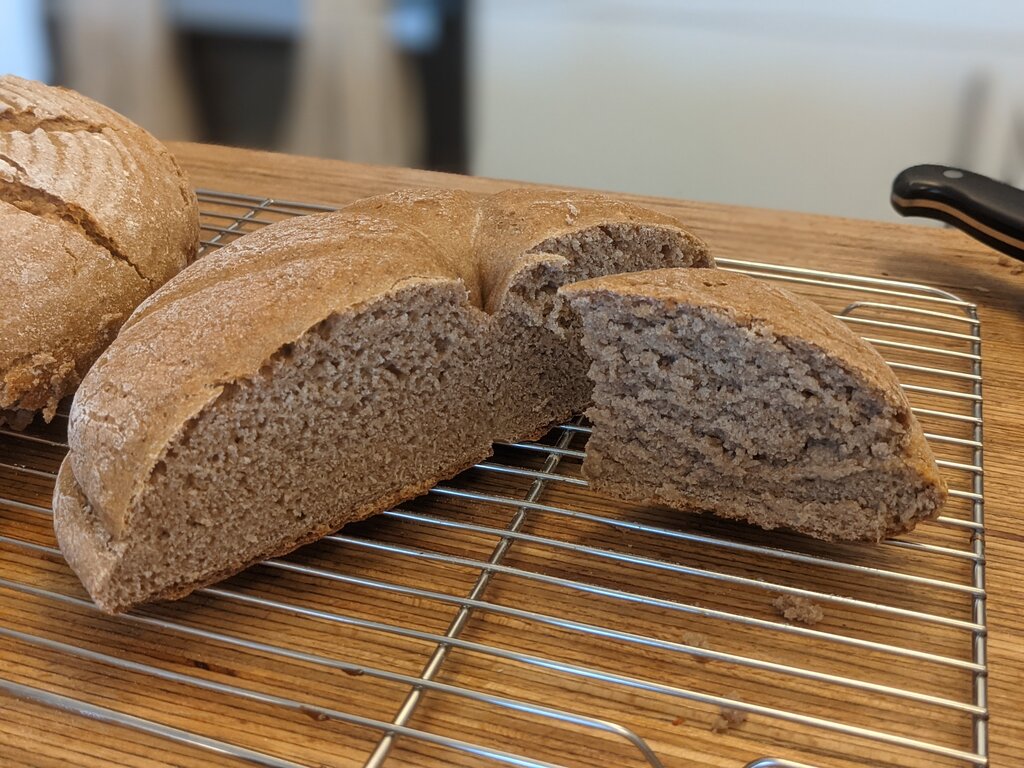
For most Romans, meals were humble. The cornerstone was wheat, which was ground into flour for bread or cooked into a thick porridge called puls. This was often supplemented with vegetables like cabbage and turnips, beans, and cheese. Bread was so vital that bakeries were common, and some loaves were even found preserved in the ashes of Pompeii.
The wealthy, of course, ate much more lavishly. Their banquets were famous for exotic dishes featuring everything from dormice to flamingo tongues. But even amidst this extravagance, the basics remained.
Olive oil was used universally, for cooking, lighting, and even bathing. Wine was consumed by all social classes, though often diluted with water. A unique Roman contribution to flavor was garum, a potent, salty sauce made from fermented fish that was used much like soy sauce is today.
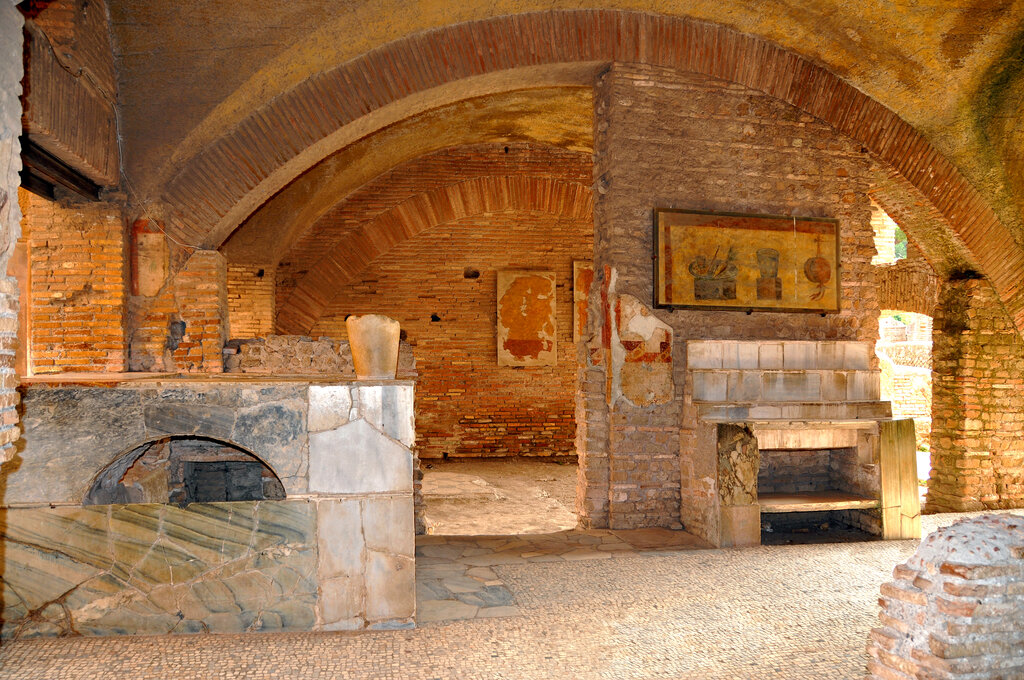
The Romans also perfected baking and food preservation. They built communal ovens and even had early forms of fast-food counters called thermopolia, where citizens could buy hot, ready-to-eat meals.
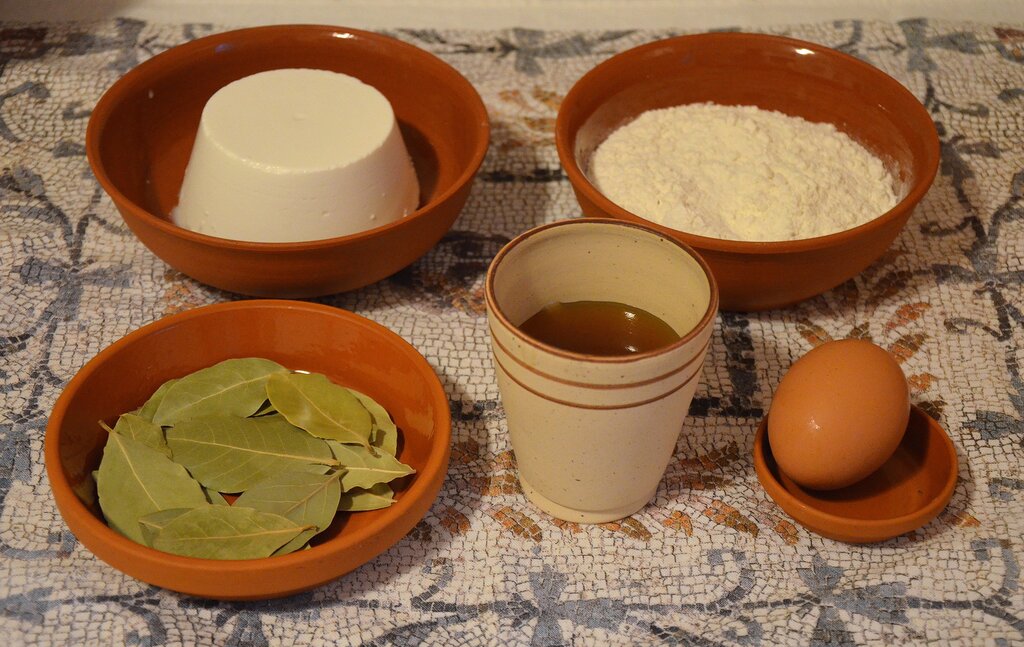
Simple cheese-based dishes were also popular. One example is libum, a small cheesecake often offered to the gods.
These ancient civilizations laid the foundation. They established the key crops, introduced fundamental cooking techniques, and fostered a deep respect for fresh, local ingredients that continues to define Italian cuisine.
Time to test your knowledge of these ancient culinary traditions.
What ancient grain, cultivated by the Etruscans, was a staple of their rustic diet and is known today as farro?
Which of the following were the three foundational elements Greek colonists introduced to Southern Italy, profoundly shaping Mediterranean cooking?