The Story of Covington Louisiana
Early Settlement
A Settlement at the Fork
At the turn of the 19th century, the north shore of Lake Pontchartrain was a quiet landscape of pine forests, swamps, and winding rivers. This area, part of a contentious region known as West Florida, was sparsely populated, primarily by Choctaw people. But its strategic location and natural resources soon attracted European attention.
The key to this area was its network of waterways. The Tchefuncte River provided a navigable route from the deep pine forests all the way to Lake Pontchartrain, and from there, to New Orleans. Where the Tchefuncte met the smaller Bogue Falaya River, the land was high, well-drained, and ideal for a settlement. This confluence created a natural hub for transportation and trade.
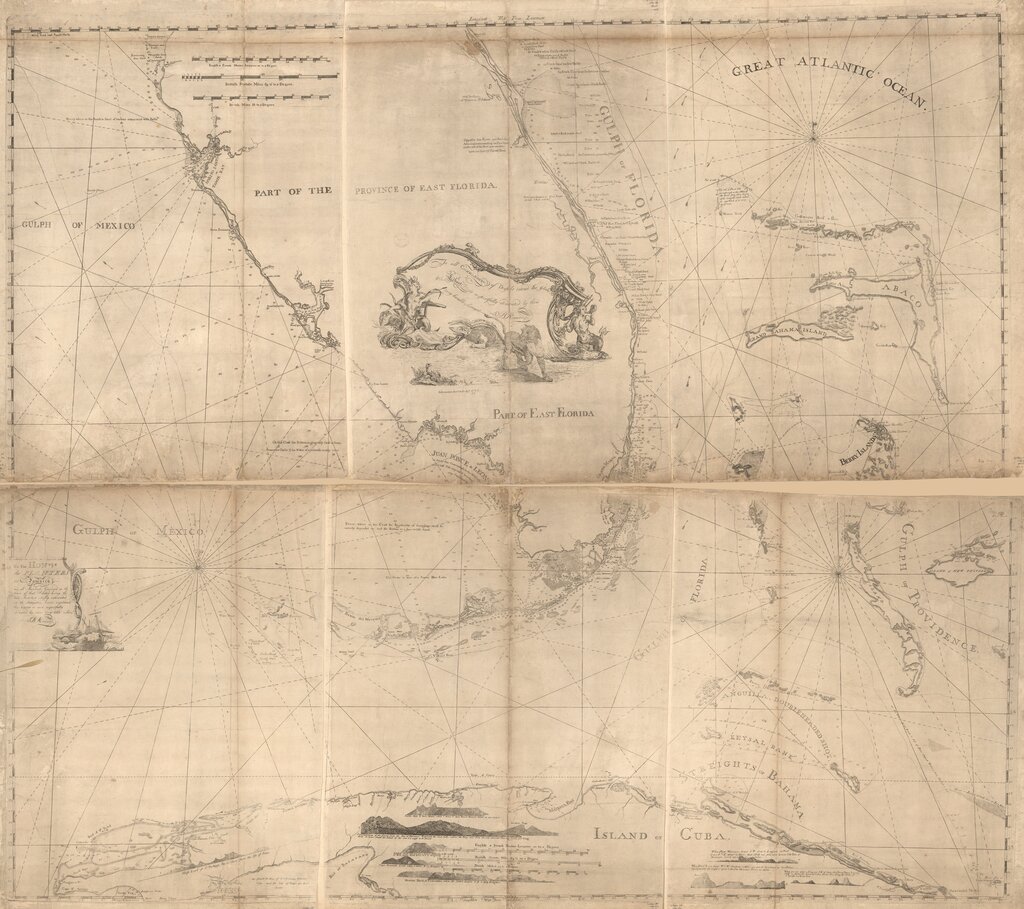
In 1800, a French Creole pioneer named Jacques Drieux recognized this potential. He traveled up the Tchefuncte and established a small settlement at the fork of the rivers. This outpost was the first known permanent European presence in what would eventually become Covington. Though the area had been part of British West Florida after 1763 and was under Spanish control by 1800, the culture of early settlers like Drieux was distinctly French Creole, reflecting the dominant influence from nearby New Orleans.
Life on the River
Early life was shaped by the landscape. The economy revolved around the abundant natural resources. Settlers cleared land for subsistence farming, raising crops and livestock to support their families. The vast longleaf pine forests were a source of timber, pitch, and turpentine—valuable naval stores that were always in demand.
The rivers were the highways of the era, connecting the isolated settlement to the wider world.
Flatboats and schooners loaded with lumber, bricks made from local clay, and agricultural goods made their way down the Tchefuncte to Lake Pontchartrain and on to the bustling markets of New Orleans. This trade was the lifeblood of the small community, allowing it to grow beyond a simple homestead. The culture of these initial settlers blended French traditions with the practical necessities of frontier life, creating a unique Creole identity on the north shore.
What geographical feature was most critical to the establishment of the first European settlement in the area that became Covington?
Despite the area being under Spanish control in 1800, the culture of the first European settlers was predominantly French Creole.
This small settlement at the river's fork laid the groundwork for the town to come.