The Story of Adidas Suede Sneakers
Adidas Origins
A New Kind of Shoe
In 1949, a German shoemaker named Adolf “Adi” Dassler started a company with a simple goal: to provide athletes with the best possible footwear. Working from his small town of Herzogenaurach, he founded Adidas. This wasn't just another shoe company. Dassler was obsessed with performance and innovation, a focus that would change the world of athletic gear forever.
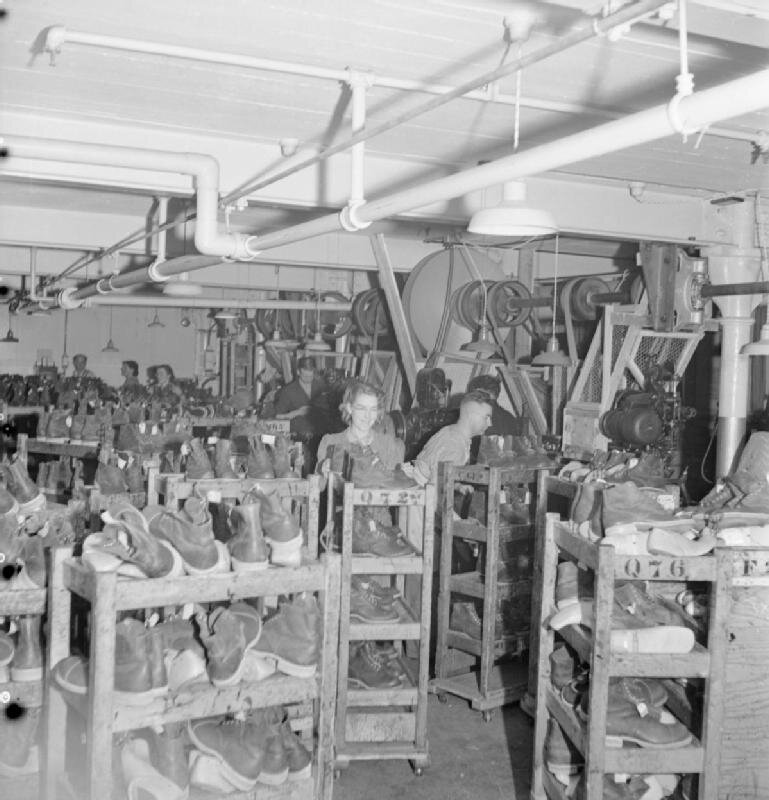
Before Adidas, athletic shoes were often clunky and basic, usually made from heavy leather or simple canvas. Dassler took a different approach. He spent time with athletes, listening to their needs and observing how they moved. He wasn't just making shoes; he was engineering equipment. This deep connection to sport guided his early designs, leading to breakthroughs that gave athletes a real edge.
Material Matters
One of Dassler's first major innovations was in his choice of materials. He began experimenting with alternatives to the stiff, heavy leathers common at the time. His breakthrough came with the use of suede.
Suede was lighter, more flexible, and offered a softer feel than traditional leather. This allowed for a more comfortable fit and gave athletes better control and sensitivity, especially in sports that required quick, agile movements.
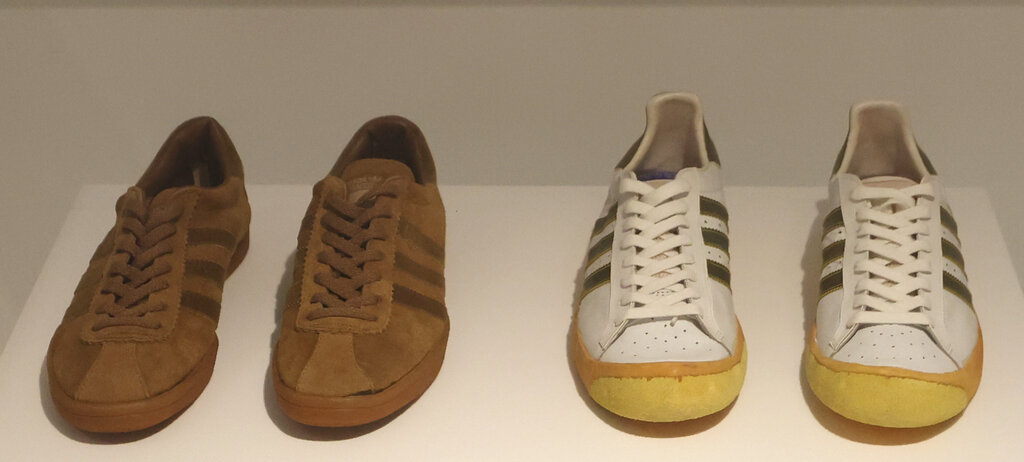
This shift might seem small today, but it was revolutionary. By prioritizing the material's performance characteristics over simple durability, Adidas set a new standard. The shoe was no longer just a protective covering for the foot; it was becoming a piece of high-performance equipment.
Designed for Victory
Adidas quickly built a reputation for creating specialized footwear that solved specific problems for athletes. Dassler developed some of the first screw-in studs for soccer boots, allowing players to adapt their traction to different weather and field conditions. For track athletes, he created lighter running shoes with tailored spike configurations.
This purpose-driven design philosophy was the core of the company's early identity. Every new shoe was an answer to a question: how can we help an athlete run faster, jump higher, or perform better? This focus on innovation, starting with Adi Dassler in his workshop, laid the foundation for the global brand Adidas would become.
What was the name of the German shoemaker who founded Adidas in 1949?
According to the text, what distinguished Adi Dassler's approach from other shoemakers of his time?
From a small town in Germany, Adidas redefined what an athletic shoe could be.