The Stock Market Through History
Origins of Stock Markets
The First Public Company
In the 1600s, international trade was a high-stakes gamble. A voyage from Europe to the East Indies could bring back immense wealth in spices and goods, but it was also incredibly risky. Ships could be lost to storms, pirates, or disease. No single person, not even the richest merchant, could easily afford to finance such a venture alone, nor would they want to bear all the risk.
The Dutch East India Company, known as the VOC, came up with a revolutionary solution. To fund its massive trading operations, the company decided to sell ownership stakes to the public. For the first time, anyone—from a wealthy merchant to a humble shopkeeper—could buy a piece of the company, known as a share.
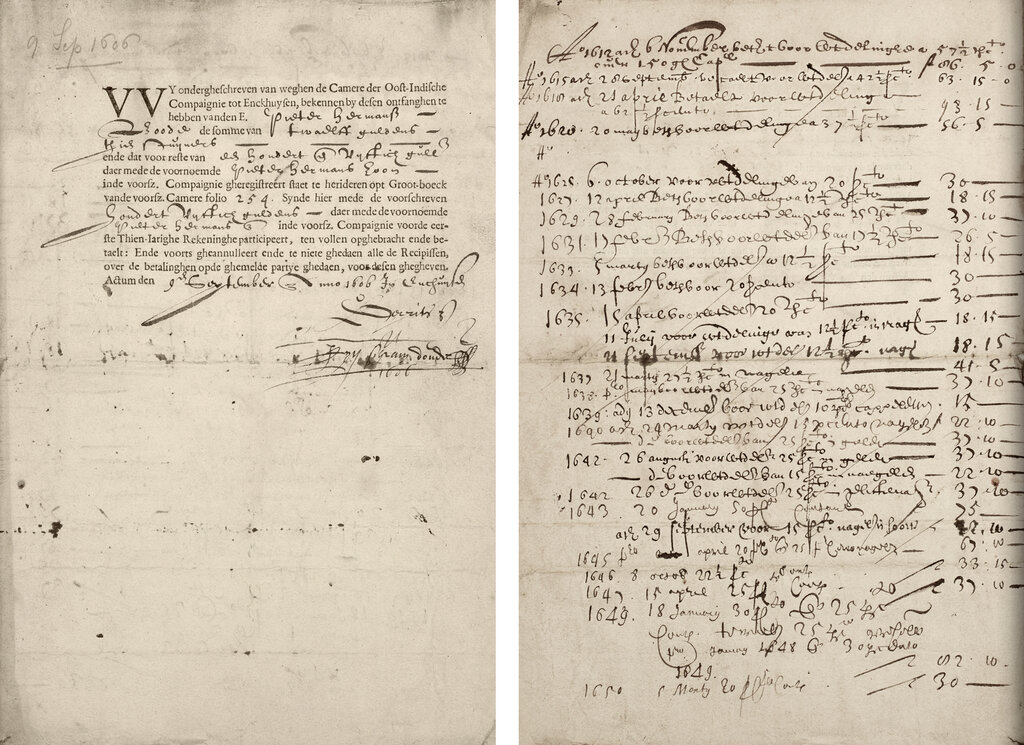
This innovation was a game-changer. By pooling money from thousands of investors, the VOC could raise enormous sums of capital to build ships, hire crews, and establish trading posts across Asia. In return, each shareholder was entitled to a portion of the company's profits. This model of raising capital by selling shares laid the groundwork for the modern corporation.
A New Kind of Marketplace
Once people owned shares in the VOC, a new need arose: a way to buy and sell them. What if an investor needed their money back before a voyage returned? What if someone who missed the initial offering wanted to buy in?
To solve this, the Amsterdam Stock Exchange was established in 1602. It was the first institution of its kind, a dedicated, physical marketplace where buyers and sellers could meet to trade shares and other securities. Before this, any trading was informal and disorganized, often happening in coffee houses or on street corners.
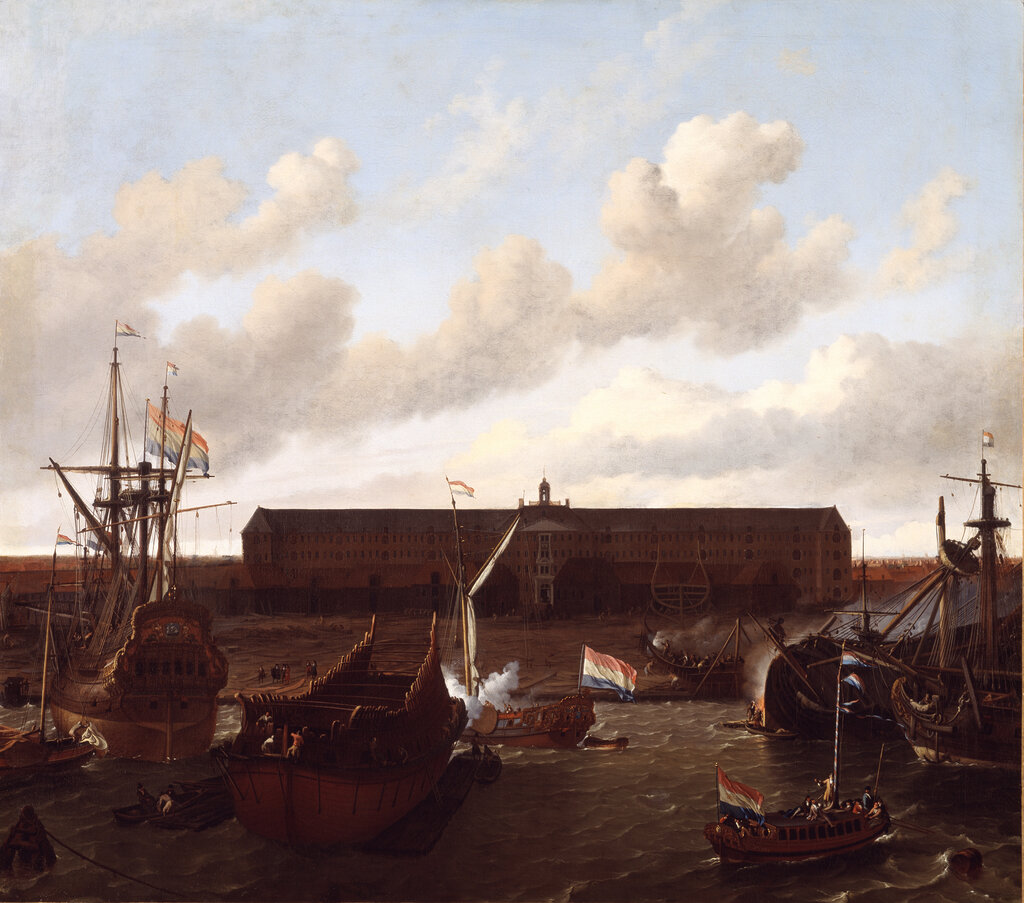
The exchange created what economists call liquidity. It gave investors confidence that they could sell their shares whenever they wanted. This made people more willing to invest in the first place, knowing their money wasn't locked up indefinitely. The constant trading also helped establish a clear market price for VOC shares, allowing everyone to see what their investment was worth in real time.
The Idea Crosses the Atlantic
The concept of a stock market proved so powerful that it spread from Amsterdam to other European financial centers, like London. By the late 1700s, the idea had made its way to the newly formed United States.
The young nation was deep in debt from the Revolutionary War and desperately needed capital to build its economy. Alexander Hamilton, the first Secretary of the Treasury, proposed that the federal government issue bonds to consolidate and pay off these debts. These government bonds became the first major securities to be traded in the U.S.
Informal trading began in cities like Philadelphia and New York. Brokers would gather in coffee houses or, famously, under a buttonwood tree on Wall Street to buy and sell these new government bonds and shares of the first few American companies, like the Bank of New York.
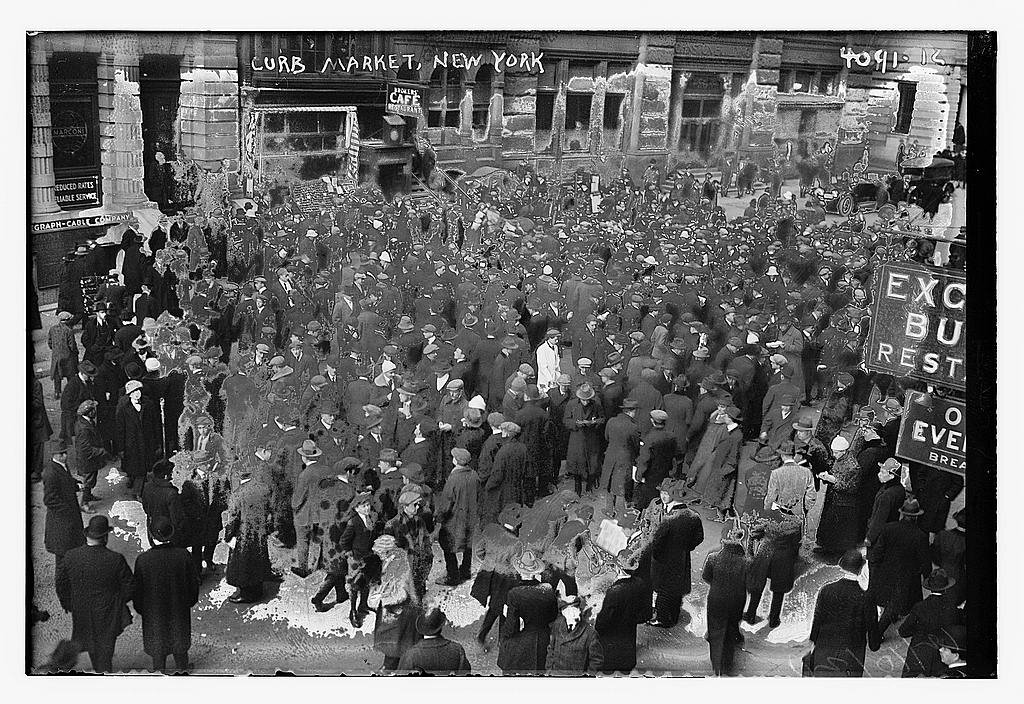
This informal system was chaotic. Prices were inconsistent, and trust was a major issue. To bring order to the growing market, a group of 24 brokers decided to create a more formal arrangement.
The Buttonwood Agreement
On May 17, 1792, these brokers met and signed the Buttonwood Agreement. This simple, two-sentence document was the founding charter of what would become the New York Stock Exchange (NYSE).
The agreement had two main provisions:
- The brokers would only deal with each other, creating an exclusive club.
- They would charge a standard commission rate of 0.25% on all trades.
This created a more organized and trustworthy market, encouraging more people to invest and helping channel capital to growing American businesses.
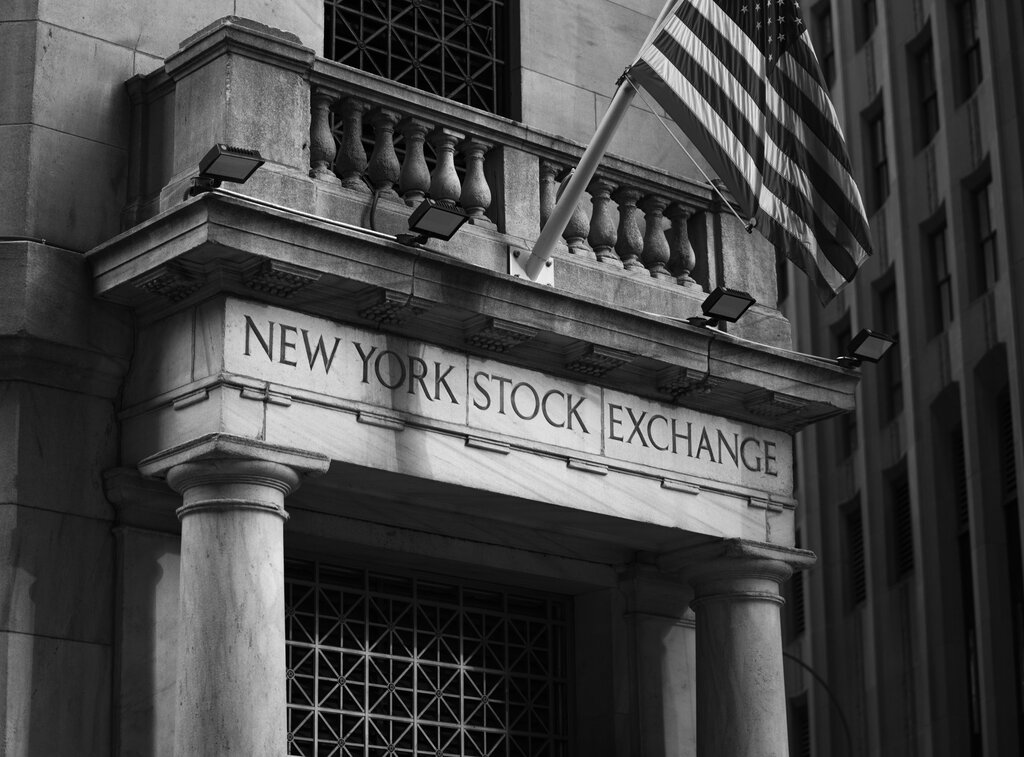
From a risky plan to fund spice voyages to a structured marketplace on Wall Street, the stock market evolved from a novel idea into a central pillar of modern finance. It provided a powerful mechanism for companies to raise money and for individuals to invest in their growth, a model that continues to power economies around the world.
What was the primary innovation the Dutch East India Company (VOC) used to fund its risky international trading voyages?
The establishment of the Amsterdam Stock Exchange in 1602 was a direct solution to which problem faced by VOC shareholders?