The Stages of Ego Development
Introduction to Ego Development
Your Evolving Self
When you hear the word “ego,” you might think of someone who is arrogant or self-important. In psychology, however, the ego has a much more specific and neutral meaning. It’s the part of you that manages your inner world and navigates the outer world. It's your sense of self, the “I” that thinks, feels, and acts.
Ego development is the story of how that “I” grows and changes throughout your life. It’s a framework for understanding the evolution of your self-concept, your values, and the way you relate to others. Think of it as a journey through different stages of maturity, with each stage offering a more complex way of making sense of yourself and the world.
The Mind's Inner Committee
To understand the ego, it helps to go back to Sigmund Freud's model of the psyche. He imagined our minds as having three key parts that are often in conflict: the id, the ego, and the superego.
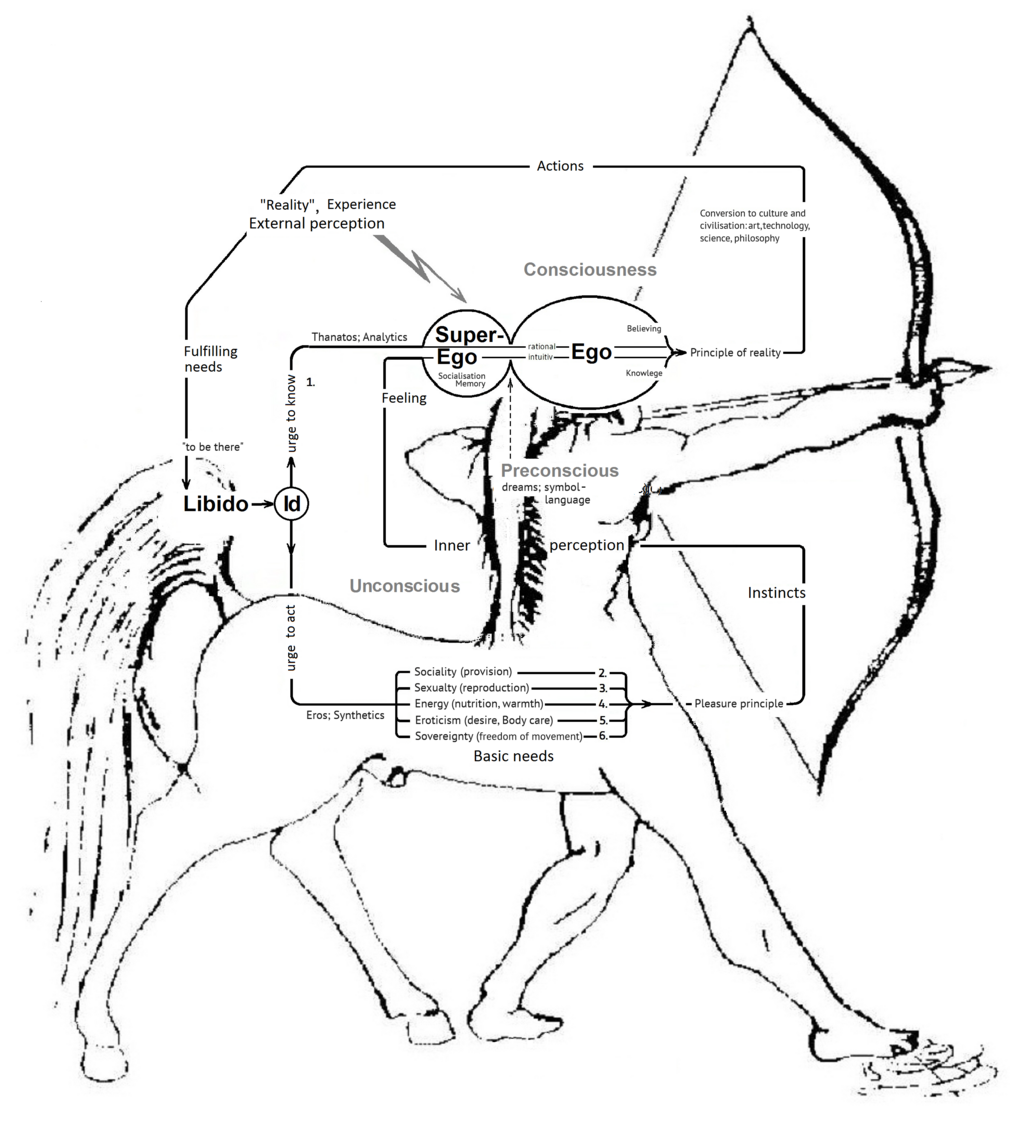
The id is the most primitive part, driven by instinct and the pleasure principle. It wants immediate gratification for our desires, like a hungry baby crying for food.
The superego is our moral compass. It’s the voice of conscience, shaped by societal rules and the values we learn from parents and others. It strives for perfection and can make us feel guilty for our impulses.
Then there’s the ego, the realistic mediator. Its job is to find a balance between the id’s impulsive demands and the superego’s moral restrictions, all while dealing with the realities of the outside world.
The ego acts like a referee, trying to satisfy the id's needs in a way that is socially acceptable and realistic.
Loevinger's Stages of Growth
While Freud gave us the basic structure, psychologist Jane Loevinger expanded on the idea by describing how the ego develops through a series of predictable stages. She proposed that we all move through these stages in the same order, though not everyone reaches the highest levels. Each stage represents a more complex way of understanding oneself and others.
At the earliest stages, a person's view of the world is simple and self-centered. As their ego develops, they become more aware of rules, social expectations, and the inner lives of other people. At the highest stages, individuals develop a deep respect for individuality, both their own and others', and can manage inner conflicts with wisdom.
| Stage | Main Characteristic |
|---|---|
| Presocial/Symbiotic | The infant's self is not differentiated from its mother. |
| Impulsive | The child is driven by impulses and sees the world in terms of rewards and punishments. |
| Self-Protective | The person understands rules but follows them to avoid getting caught. Blame is external. |
| Conformist | The individual identifies with rules and seeks social approval. Right and wrong are clear. |
| Self-Aware | A person begins to see exceptions to the rules and recognizes they have a unique inner life. |
| Conscientious | The individual has self-evaluated standards and a sense of responsibility. Guilt arises from hurting others. |
| Individualistic | A person develops a greater sense of individuality and tolerance for others' choices. |
| Autonomous | The individual can cope with inner conflicts and respects others' autonomy. |
| Integrated | A rare stage involving a full reconciliation of inner conflicts and a cherishing of individuality. |
This progression is central to personality formation. How you navigate these stages shapes your character, your relationships, and how you handle life's challenges. It influences whether you see the world in black and white or in shades of gray, and whether you act out of impulse or from a place of considered values.
Let's check your understanding of these foundational concepts.
According to psychoanalytic theory, what is the primary role of the ego?
In Sigmund Freud's model of the psyche, which part represents our instinctual, primitive desires seeking immediate gratification?
Understanding the ego's role as a mediator and its developmental journey provides a powerful lens for looking at human behavior and personal growth.