The Spectrum of Reality Form to Formless
Introduction to Metaphysics
What Is Real?
At its heart, philosophy asks big questions. And perhaps the biggest of all is: What is real? This is the central question of metaphysics, the branch of philosophy that studies the fundamental nature of existence and reality.
Metaphysics is the branch of philosophy that deals with questions regarding existence, reality, time, space, cause and effect, and the nature of objects.
The term itself comes from the Greek meta ta physika, meaning "beyond the physical." It points to ideas and concepts that can't be observed or measured by science, but that underpin our entire understanding of the world. It tackles the things we often take for granted, like the existence of time, the nature of consciousness, and what it means for something to 'be'.
Metaphysics
noun
The branch of philosophy that examines the fundamental nature of reality, including the relationship between mind and matter, substance and attribute, potentiality and actuality.
The Big Questions
Metaphysics isn't about finding one right answer. It's about exploring the questions themselves. Philosophers in this field wrestle with some of the most profound puzzles we can think of.
What does it mean to exist? Is there a reality beyond our senses? What is the relationship between the mind and the body?
These aren't just abstract thought experiments. How you answer these questions shapes your worldview. For example, if you believe that only physical matter is real, you'll see the world very differently from someone who believes that consciousness is the fundamental reality. These underlying assumptions influence everything from science to ethics.
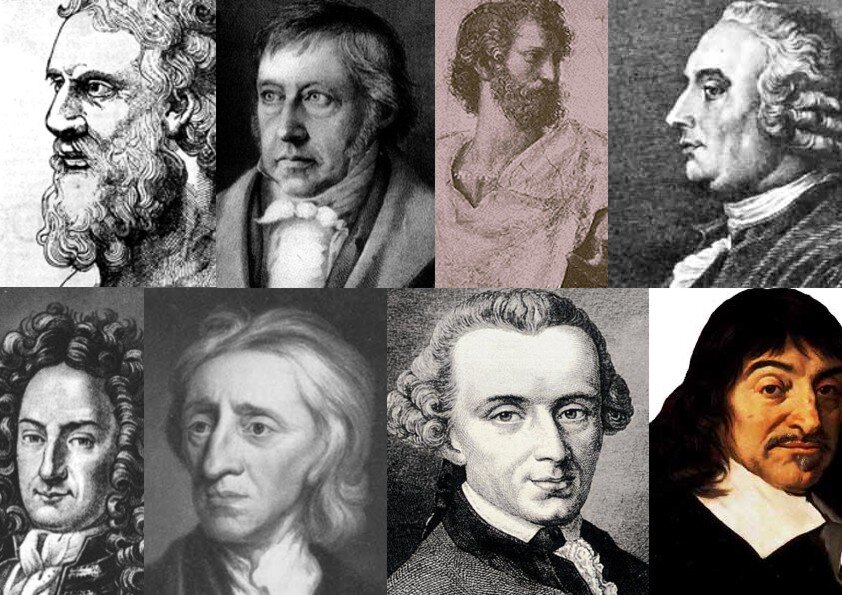
A Quick Trip Through Time
The conversation about metaphysics has been going on for thousands of years. The ancient Greeks were some of the first to formalize these discussions. Two of the most influential thinkers were Plato and his student, Aristotle.
Plato argued that the physical world we perceive is not the 'real' world; instead, it's just a shadow or imitation of a higher, perfect world of ideas or "Forms."
Aristotle, on the other hand, focused on the world we can observe. He believed reality is found in our physical world, and we can understand it by studying the objects and substances around us. This fundamental disagreement—whether reality lies in an abstract realm or in the tangible world—has shaped Western philosophy ever since.
From these early debates, metaphysics has branched out into many areas. Some philosophers, known as materialists, argue that everything that exists is physical. Others, called idealists, believe that reality is fundamentally mental or spiritual. And many other views exist in between.
Exploring metaphysics gives us the tools to examine the foundations of our own beliefs. It encourages us to think critically about what we assume to be true and to appreciate the complexity of reality. It's not about finding a final answer, but about deepening our understanding through inquiry.
What is the central question of metaphysics?
The term "metaphysics" comes from the Greek meta ta physika. What does this phrase mean?
Metaphysics provides a framework for asking the most fundamental questions, pushing the boundaries of what we think we know.