The Spanish Civil War and Francoist Era
Second Republic Crisis
A Republic's Reforms, A Nation's Rifts
When the Second Spanish Republic was declared in April 1931, it wasn't just a change of government; it was a seismic shift. King Alfonso XIII left the country, and a wave of optimism for a modern, democratic Spain swept through the cities. But beneath the surface, the country was a tapestry of deep-seated conflicts between rich and poor, city and countryside, secular and devout. The new government, a coalition of republicans and socialists, drafted an ambitious to tackle these issues head-on.
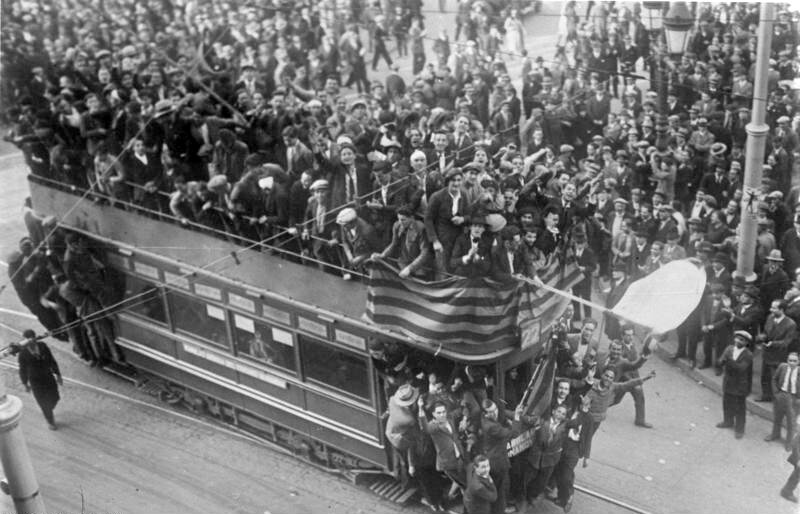
The government immediately launched a series of sweeping reforms. The Agrarian Reform Law aimed to redistribute the massive estates of wealthy landowners, the latifundistas, to millions of landless peasants. For centuries, rural life had been defined by near-feudal conditions, and this was a direct attempt to break that system. Simultaneously, the Republic took on the immense power of the Catholic Church, secularising education, dissolving the Jesuit order, and halting state funding for clergy. For the military, the government offered early retirement to a bloated officer corps, hoping to create a smaller, more modern, and politically loyal army.
Each reform, intended to modernise Spain, instead deepened the chasm between the 'two Spains': one urban, progressive, and secular; the other rural, traditionalist, and Catholic.
The reaction was swift and furious. The landowners, the Church, and much of the army saw the Republic as an existential threat. The right-wing consolidated its opposition, viewing the reforms as a revolutionary assault on property, faith, and national unity. The political climate grew increasingly toxic. On the left, anarchist and radical socialist groups felt the reforms didn't go far enough or fast enough, leading to strikes and unrest. The centre ground was evaporating.
From Strikes to Streets
The boiling point was reached in October 1934. In the northern region of Asturias, miners launched a full-scale armed insurrection, proclaiming a socialist republic. The government's response to the was brutal. It sent in the Army of Africa, led by a general named Francisco Franco, to crush the revolt. The two-week conflict left over a thousand dead and thousands more imprisoned, poisoning political relations and leaving a legacy of bitterness. For the left, it was a massacre of workers; for the right, it was proof that a 'Red revolution' was imminent and had to be stopped by any means.
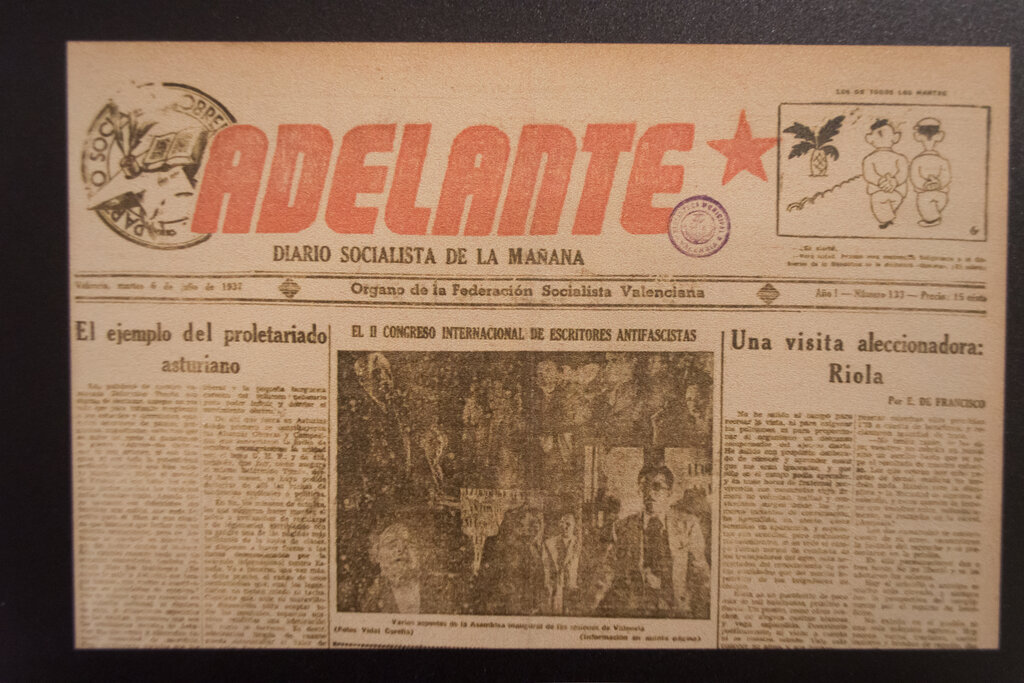
This event polarised the nation further. The 1936 elections became a referendum on the future of Spain. The left-wing parties, from moderate republicans to communists, united under a banner called the Popular Front, promising to resume the reforms and release the prisoners from the Asturias revolt. They faced a right-wing coalition, the National Front, which campaigned on a platform of restoring order, religion, and tradition. The Popular Front won a narrow victory.
The Spanish Civil War was not inevitable, but there were a number of factors, both structural and willful, that favored eruption.
For the right, the election result was the final straw. They refused to accept the legitimacy of the new government. Political violence spiralled out of control. Militants from the fascist-inspired clashed with socialist and anarchist groups in the streets. Political assassinations became common. In July 1936, the murder of José Calvo Sotelo, a prominent monarchist politician, by Republican Assault Guards in retaliation for the killing of a leftist officer, provided the spark. A group of right-wing generals, including Franco, used it as the pretext to launch their long-planned military coup. The democratic experiment was over, and the Spanish Civil War had begun.
What was the primary goal of the Agrarian Reform Law introduced by the Second Spanish Republic?
The government's brutal suppression of the Asturian miners' strike in 1934 was led by which future Spanish leader?
The Republic's attempt to rapidly modernise a deeply divided nation ultimately tore it apart, setting the stage for one of the 20th century's most brutal conflicts.