The Southern Ming Dynasty
Origins of the Southern Ming
Collapse in the North
In the spring of 1644, the Ming dynasty was in its final moments. A massive peasant rebellion led by Li Zicheng had been raging for years, fueled by famine and government corruption. His army reached the gates of the capital, Beijing. The city's defenses crumbled, not from a prolonged siege, but from betrayal within.
On April 24th, the Chongzhen Emperor, seeing that all was lost, walked to a small hill within the Forbidden City. There, to avoid the humiliation of capture, he took his own life. With his death, the Ming dynasty's direct rule from its northern capital came to a sudden, tragic end. Li Zicheng declared a new dynasty, the Shun, but his control over China would be fleeting.
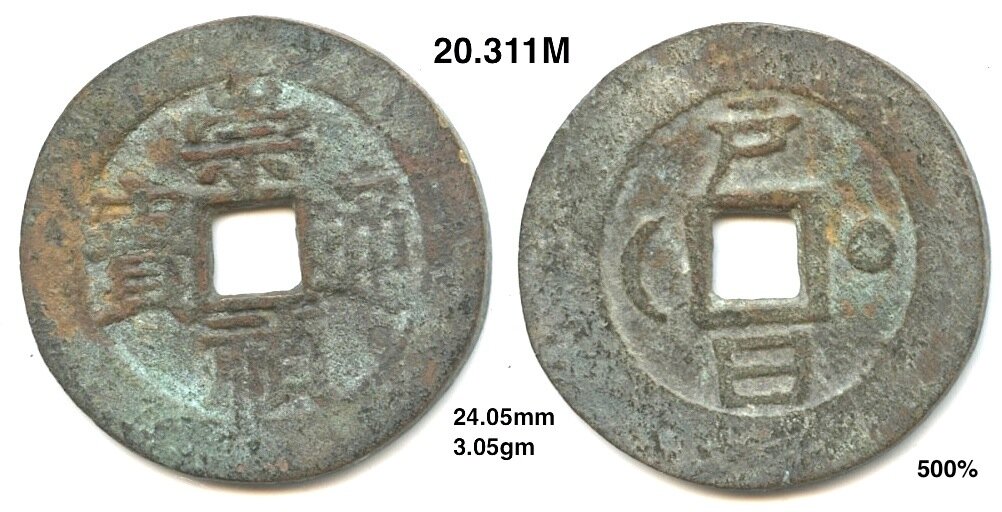
While the north was consumed by chaos, news of the emperor's death traveled south. Ming officials, generals, and members of the imperial family who had managed to escape the fall of Beijing regrouped in the south. The dynasty was broken, but it was not yet extinguished. The loyalists looked to establish a new center of power to resist the rebels and, soon, a new northern threat.
A New Court in Nanjing
The natural choice for a new capital was Nanjing. It was the original capital of the Ming dynasty, founded by its first emperor, Zhu Yuanzhang. It had its own set of government ministries and strong defensive walls, making it the perfect base for a government-in-exile. With the emperor dead, the crucial task was to choose a successor.
The most prominent candidate was Zhu Yousong, the Prince of Fu. However, he was a controversial figure, known more for his indulgence than his leadership. Many influential officials, including the respected general Shi Kefa, worried about his suitability. They favored another prince, but political maneuvering by a powerful official named Ma Shiying outflanked them. Ma Shiying saw an opportunity to gain immense influence by backing the Prince of Fu.
With Ma Shiying's support, Zhu Yousong was declared the new emperor in Nanjing. He took the reign title Hongguang, and his regime is known to history as the Southern Ming.
Shi Kefa, despite his initial reservations, accepted the outcome for the sake of unity. He was given command of the armies north of the Yangtze River, tasked with the critical job of defending the new dynasty from the encroaching forces.
Divisions and Threats
The establishment of the Hongguang court offered a glimmer of hope, but it was a hope dimmed by immediate challenges. The most pressing threat came not from Li Zicheng's Shun dynasty, but from the Manchus of the Qing dynasty to the northeast. After Li Zicheng took Beijing, a Ming general named Wu Sangui made a fateful decision. He allied with the Qing forces, opening the Great Wall at Shanhai Pass and allowing the Manchus to sweep into northern China. They quickly defeated Li Zicheng and seized Beijing for themselves, declaring their intention to conquer all of China.
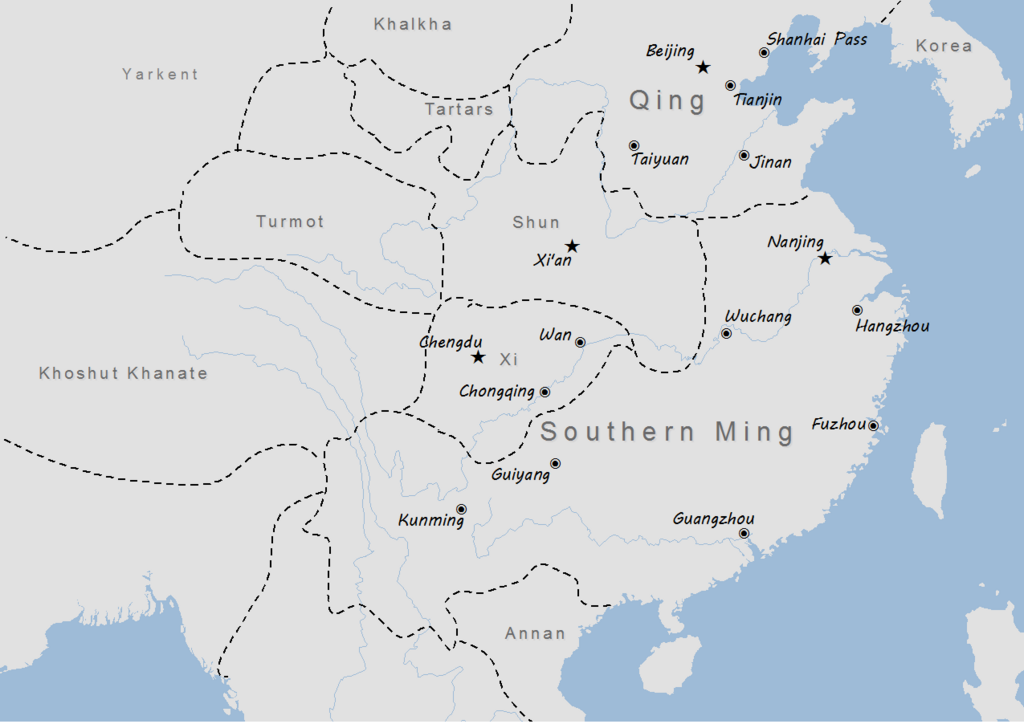
Instead of uniting against this formidable new enemy, the Southern Ming court was crippled by the same factionalism that had weakened the late Ming. Ma Shiying and his allies dominated the government, purging rivals and pursuing personal power. The court was rife with corruption and infighting, wasting precious time and resources that were desperately needed for defense.
Shi Kefa and other dedicated commanders tried to organize a defense along the Yangtze, but they were often undersupplied and undermined by political squabbles in Nanjing. The early days of the Southern Ming were a frantic attempt to hold the line, but the internal rot of the new regime made a truly unified resistance nearly impossible.