The Soul of Indian Classical Music
Introduction to Indian Classical Music
The Roots of Indian Music
Indian classical music is one of the world's oldest and most intricate musical traditions. Its history stretches back thousands of years, with origins deeply intertwined with spiritual and religious practices. Unlike many musical forms that have been lost or drastically changed over time, this tradition has maintained a continuous, well-documented evolution.
The foundations of Indian classical music are often traced to ancient sacred texts, particularly the Vedas. The Samaveda, one of the four main Vedas, is essentially a collection of hymns, or sāmans, set to melody. These weren't just spoken; they were chanted in specific melodic patterns. This practice of setting sacred verses to music laid the groundwork for the sophisticated systems of melody and rhythm that define Indian classical music today.
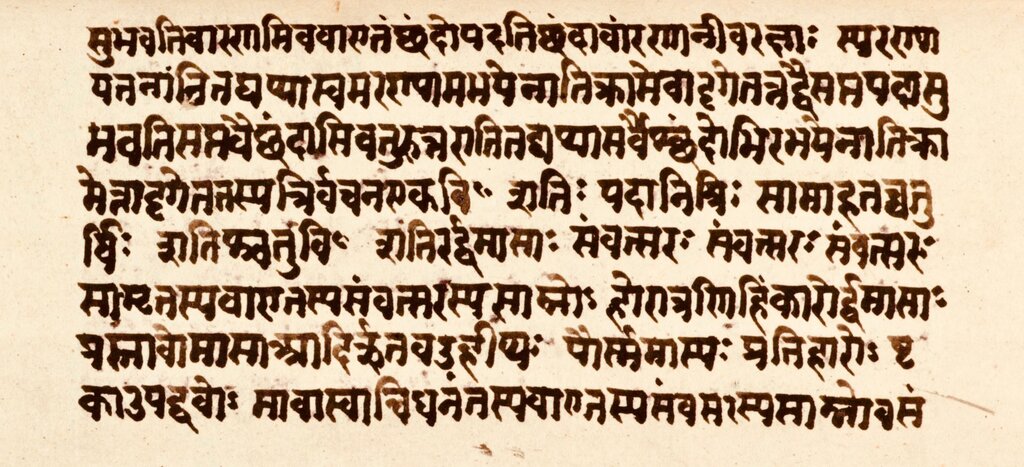
Two Streams, One Source
Around the 13th century, Indian classical music began to diverge into two distinct sub-genres. This split was largely due to growing cultural influences, particularly from Persia and the Islamic world, in the northern parts of the Indian subcontinent. The result was two major traditions that exist today: Hindustani music in the North and Carnatic music in the South.
Hindustani music evolved in North India and absorbed elements from Persian and Arabic music. This interaction created a unique blend of styles, instruments, and performance practices. You can hear this influence in the romantic and expressive qualities of many Hindustani compositions.
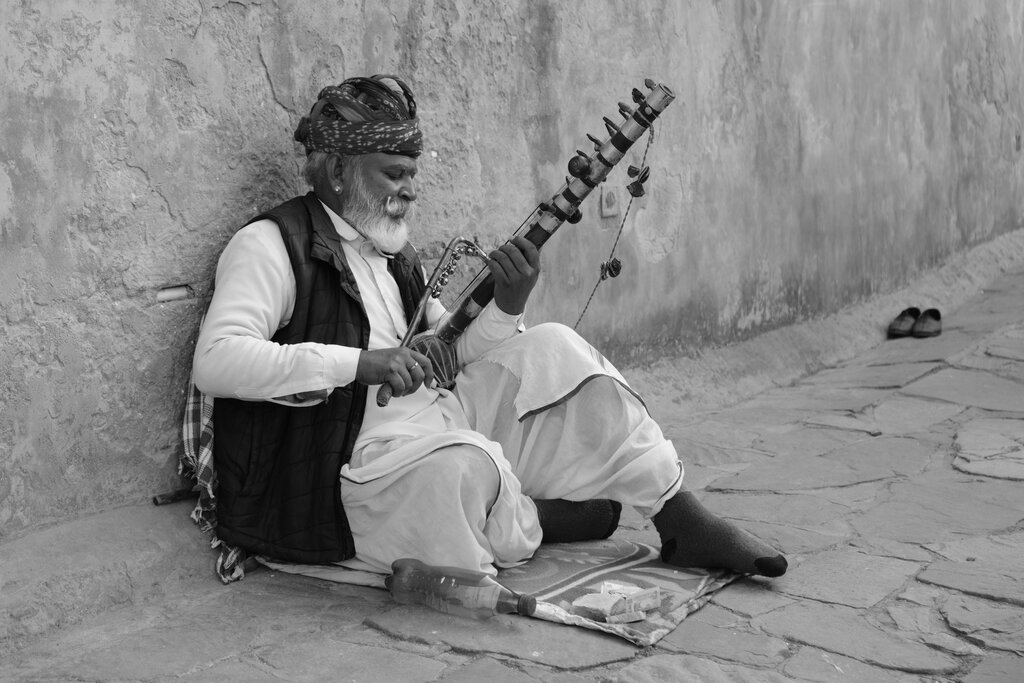
Carnatic music, prevalent in the southern states of India, remained largely insulated from these external influences. Because of this, it is often considered to have a more direct lineage to the ancient musical traditions. Carnatic compositions are typically more structured, with a strong emphasis on vocal music and lyrical content, often devotional in nature.
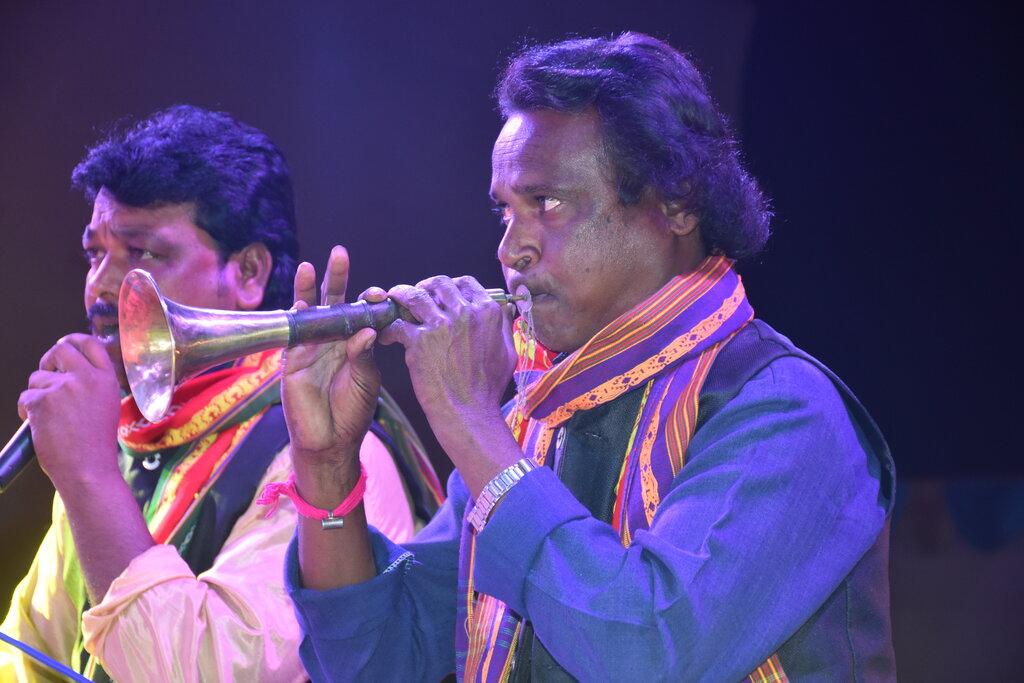
Despite their differences, both systems share the same foundational concepts. They both rely on the raga (the melodic framework) and the tala (the rhythmic cycle) as their structural basis. Think of them as two different languages that grew from the same ancient root.
| Feature | Hindustani Music | Carnatic Music |
|---|---|---|
| Region | North India | South India |
| Key Influences | Persian, Arabic, Islamic | Indigenous, ancient traditions |
| Emphasis | Instrumental, improvisation | Vocal, structured compositions |
Now that you have a basic understanding of where Indian classical music comes from and its two major branches, let's test your knowledge.
The origins of Indian classical music are most closely linked to which ancient sacred texts?
Around which century did Indian classical music begin to diverge into the Hindustani and Carnatic traditions?
In the articles that follow, we will dive deeper into the specific characteristics of both Hindustani and Carnatic music, exploring the beautiful and complex worlds of raga and tala.