The Song Dynasty An Era of Innovation
Foundations of the Song Dynasty
A New Beginning
After the collapse of the mighty Tang Dynasty, China splintered. For more than fifty years, the land was wracked by division and warfare. This chaotic era, known as the Five Dynasties and Ten Kingdoms period, saw a rapid succession of short-lived states vying for control.
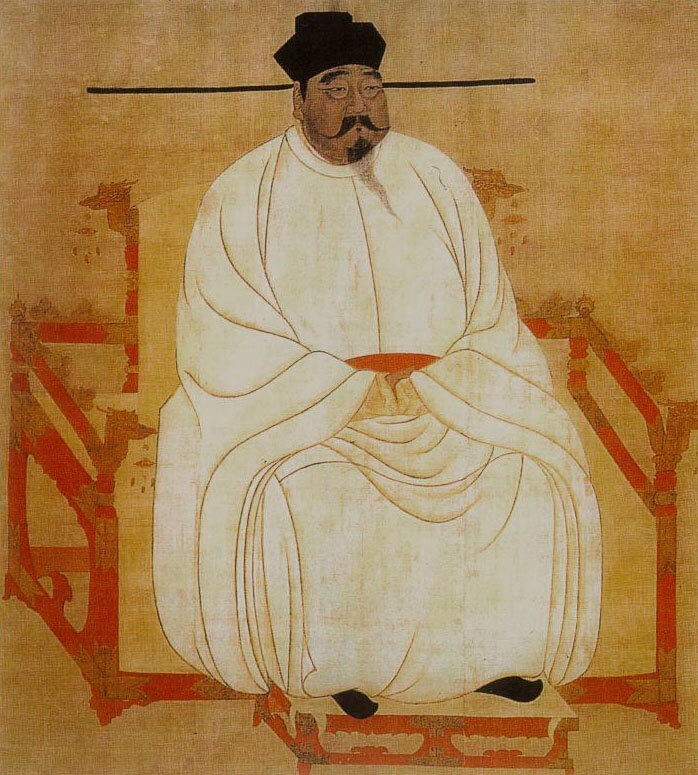
Out of this turmoil rose a powerful general named Zhao Kuangyin. In 960 CE, while leading a campaign, his troops staged a coup. They draped the imperial yellow robe over his shoulders and declared him emperor. Taking the name Emperor Taizu, he established the Song Dynasty. His primary goal was to end the fragmentation and reunify China. One by one, he and his brother, who succeeded him, conquered the independent kingdoms, bringing most of what is now southern China back under central control.
Governing a Reunited China
Emperor Taizu knew that military strength alone couldn't hold an empire together. He had seen how powerful regional governors had torn the Tang Dynasty apart. To prevent history from repeating itself, he fundamentally restructured the government.
He weakened the military governors by placing civilian officials in charge of local administration. Power was centralized in the capital and ultimately, in the hands of the emperor. The key to this new system was a class of highly educated civil servants known as scholar-officials.
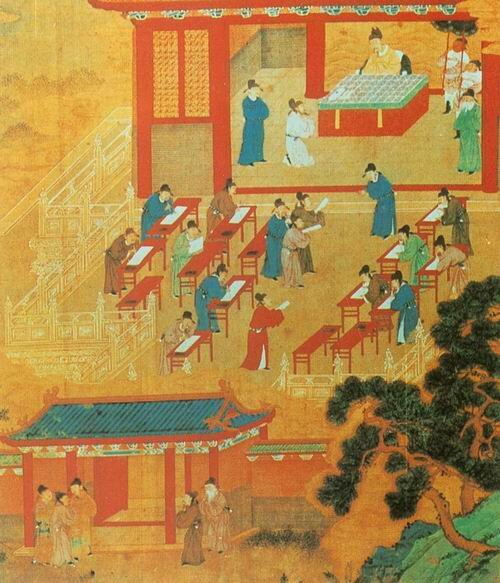
To recruit these officials, the Song greatly expanded the civil service examination system. This grueling series of tests was based on Confucian classics and philosophy. In theory, any man, regardless of his background, could rise to a high position in government if he passed. This fostered a meritocracy, where ability was valued over birthright, and created a bureaucracy loyal to the emperor and the state rather than to powerful aristocratic families.
A Divided Dynasty
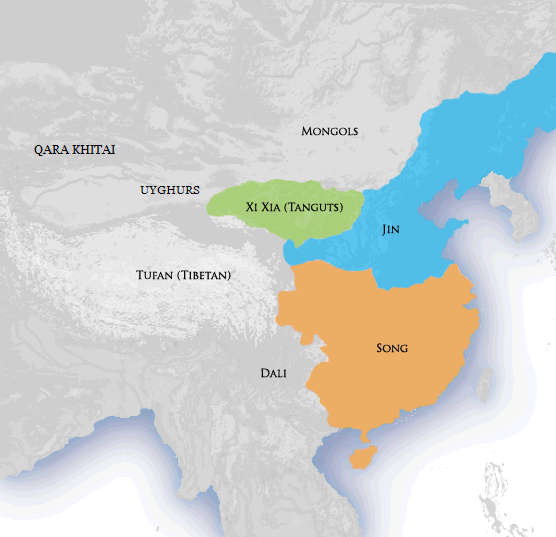
Despite its internal stability, the Song Dynasty faced serious threats from powerful nomadic groups to the north. For much of the early dynasty, the main rival was the Khitan Liao dynasty. The Song military struggled against the formidable Liao cavalry and eventually agreed to pay them an annual tribute of silk and silver in exchange for peace.
Later, a new power emerged: the Jurchen people, who established the Jin dynasty. The Song initially allied with the Jin to defeat the Liao. However, the Jin then turned on the Song. In 1127, Jurchen armies swept south, sacking the Song capital of Kaifeng and capturing the emperor. This event marked a turning point.
The surviving members of the imperial court fled south of the Yangtze River and established a new capital at Hangzhou. This began the Southern Song period (1127–1279), while the first part of the dynasty is known as the Northern Song (960–1127). Though smaller, the Southern Song would endure for another 150 years, albeit under the constant shadow of the powerful Jin dynasty to the north.
Now, let's review what you've learned about the founding of this influential dynasty.
How did Zhao Kuangyin, later Emperor Taizu, come to power and establish the Song Dynasty?
What was the Song Dynasty's primary method for recruiting the scholar-officials who administered the government?
The establishment of the Song set the stage for centuries of remarkable cultural and technological advancement, even as it navigated immense political and military challenges.