The Social Impact Market
Introduction to Social Impact Markets
Investing for Good
Imagine using your money not just to build personal wealth, but also to help solve major world problems. That’s the core idea behind social impact markets. These are places where capital is directed toward ventures that aim to do more than just make a profit. They seek to generate positive, measurable social and environmental change as well.
Impact investments are investments made with the intention to generate positive, measurable social or environmental impact alongside a financial return.
This isn't charity. Impact investing is a financial discipline. It operates on the principle that you can invest in companies tackling issues like renewable energy, affordable healthcare, or sustainable agriculture, and expect a financial return, just as you would with a traditional investment. The key difference is the intention to create a positive impact from the very beginning.
From Avoidance to Action
The idea of ethical investing isn't new. For decades, some investors have practiced what's called Socially Responsible Investing (SRI). This often involved negative screening, meaning they would simply avoid putting money into companies involved in industries like tobacco, weapons, or gambling. It was about doing no harm.
Impact investing takes a big step forward. Instead of just avoiding the bad, it actively seeks out the good. The term itself was coined in 2007, marking a shift toward a more proactive and ambitious approach. Investors began looking for opportunities to fund solutions directly.
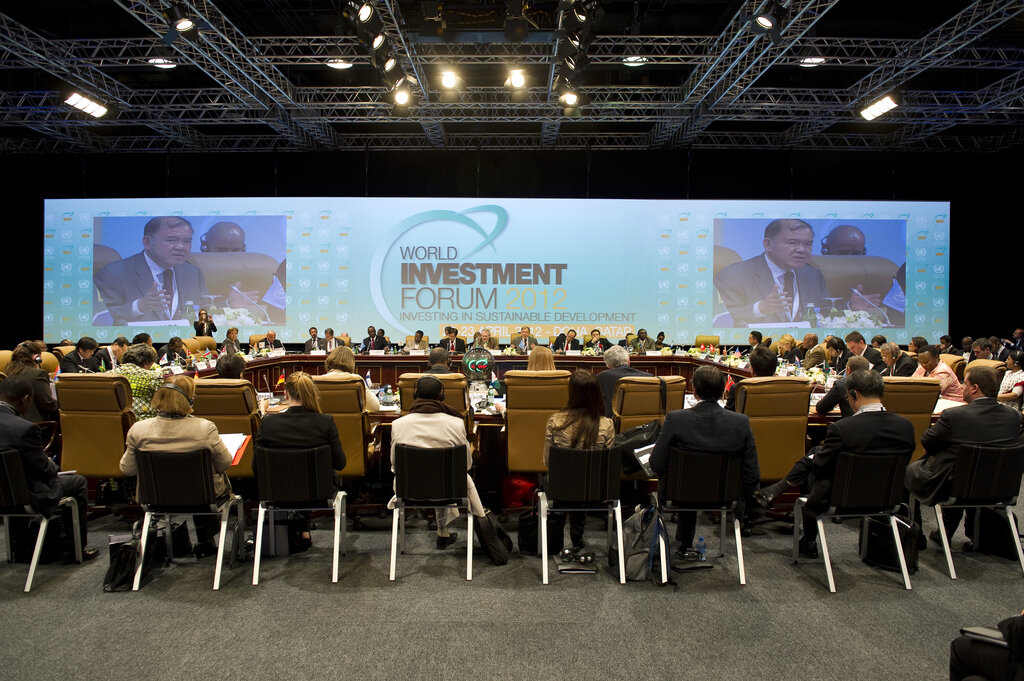
This evolution turned investing into a tool for positive change. It framed social and environmental challenges as opportunities for innovation and, by extension, for investment.
Profit with Purpose
Why combine financial goals with social missions? Because it creates a powerful, self-sustaining cycle. When a business that solves a social problem is also profitable, it can grow and scale its impact without relying on donations. Profitability ensures longevity and attracts more capital, creating a bigger positive effect over time.
This approach reframes the relationship between money and meaning. The two are not mutually exclusive; they can be mutually reinforcing.
This model appeals to a new generation of investors, entrepreneurs, and consumers who believe businesses have a responsibility that extends beyond their bottom line. It’s about building a more sustainable and equitable economy where success is measured in more than just dollars.
A Rapidly Growing Market
What started as a niche corner of the financial world has grown into a significant global market. While exact figures are hard to pin down, the Global Impact Investing Network (GIIN) estimated the market size at over $1 trillion in 2022. This number reflects a clear trend: more investors, from individuals to large institutions, are allocating capital with impact in mind.
This growth isn't just about more money. It's also about increasing sophistication in how impact is measured and managed. The market is maturing, with more data, better frameworks, and a wider variety of investment opportunities available across different sectors and geographies.
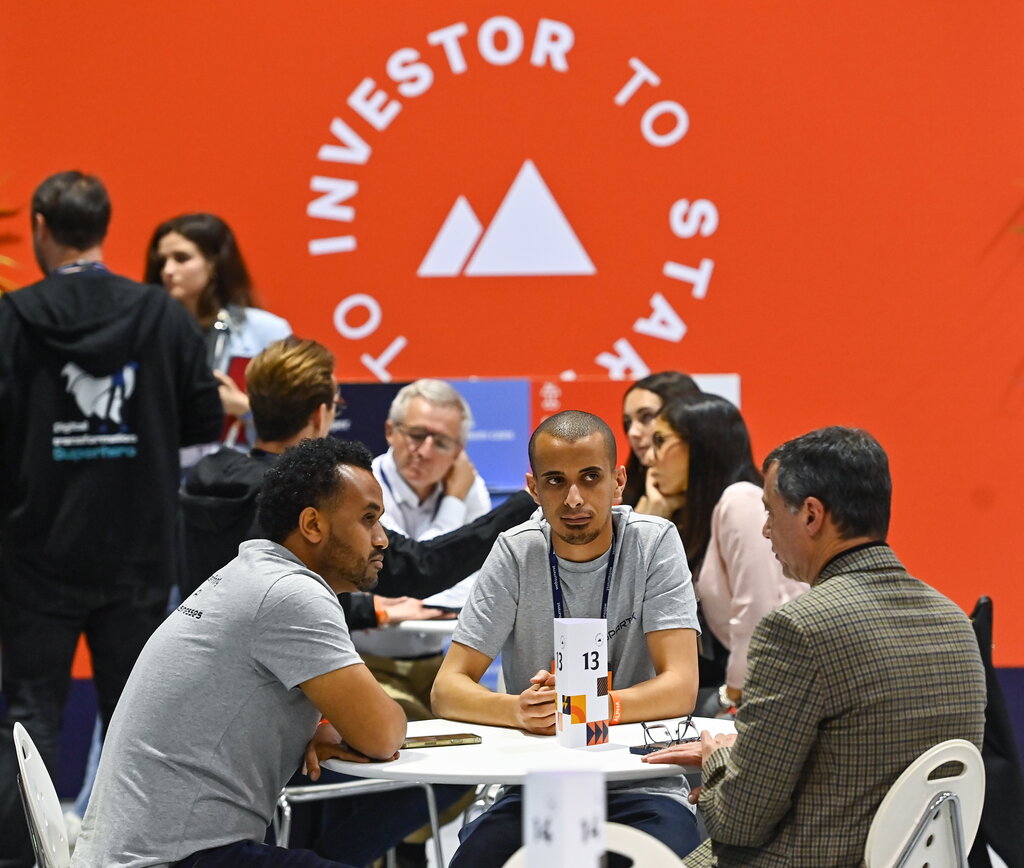
As awareness of global challenges like climate change and inequality grows, so does the interest in using capital as a force for good. The social impact market represents a fundamental shift in how we think about the power and purpose of finance.