The Silver Market Forecast
Introduction to Silver Market
A Storied History
For thousands of years, silver has been a symbol of wealth and a cornerstone of global trade. Long before modern currencies, people used silver for transactions. It was durable, easy to divide, and held its value. Civilizations from ancient Greece to the Roman Empire minted silver coins, which became the standard for commerce across continents.
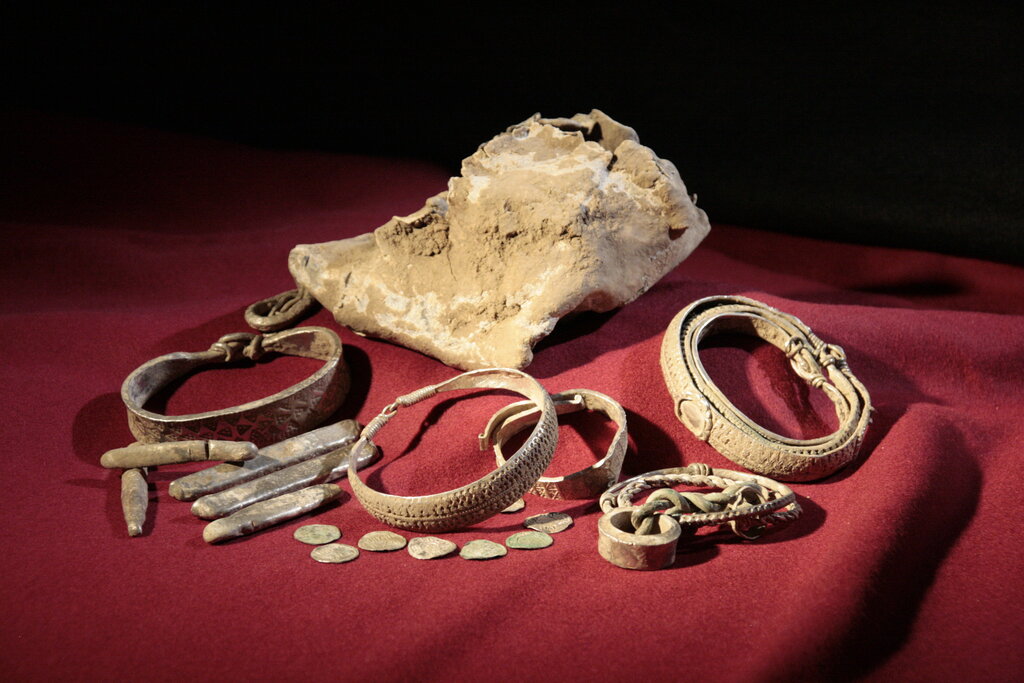
Unlike gold, which was often reserved for the wealthiest elite, silver was the money of the people. It facilitated everyday trade, from buying goods at a local market to paying soldiers. This historical role as a reliable medium of exchange has cemented its reputation as a trusted store of value, a perception that continues to influence its market today.
More Than Just Money
While its monetary role has diminished, silver's value comes from its diverse applications. It's a metal of dual personalities: part precious metal, part industrial workhorse.
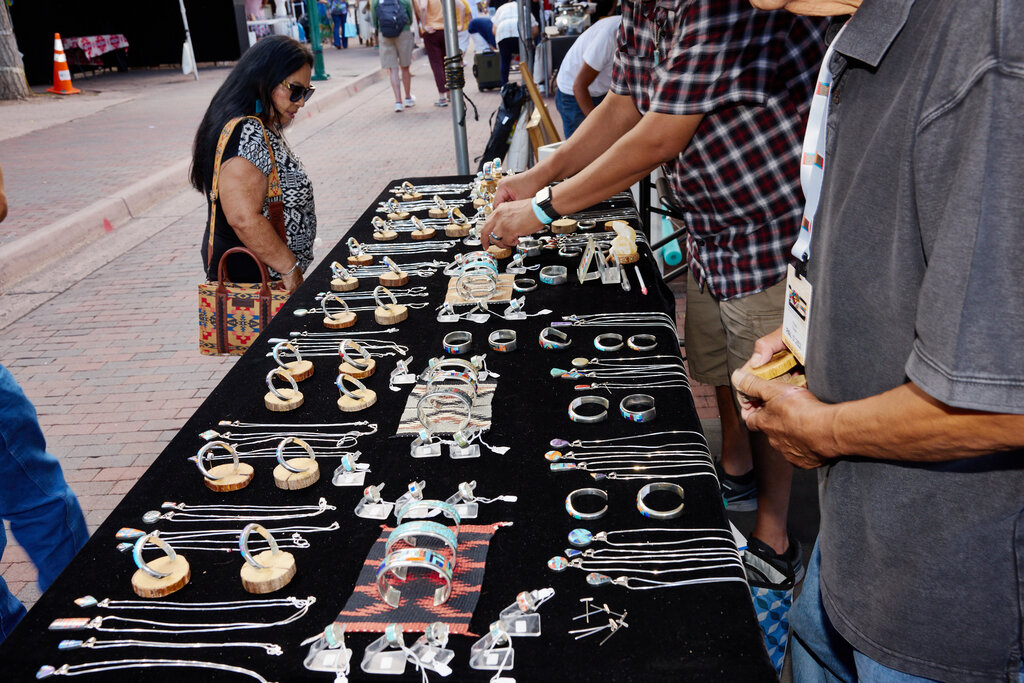
First, there's its timeless appeal in jewelry and silverware. Sterling silver, an alloy typically containing 92.5% silver, is prized for its brilliant shine and workability. From intricate necklaces to fine dining utensils, silver has a permanent place in decorative arts.
Beyond its beauty, silver is a critical industrial material. It has the highest electrical and thermal conductivity of any metal, making it irreplaceable in electronics. You'll find it in smartphones, circuit boards, and solar panels. Its antimicrobial properties also make it useful in medicine for wound dressings and as a purifying agent in water filters.
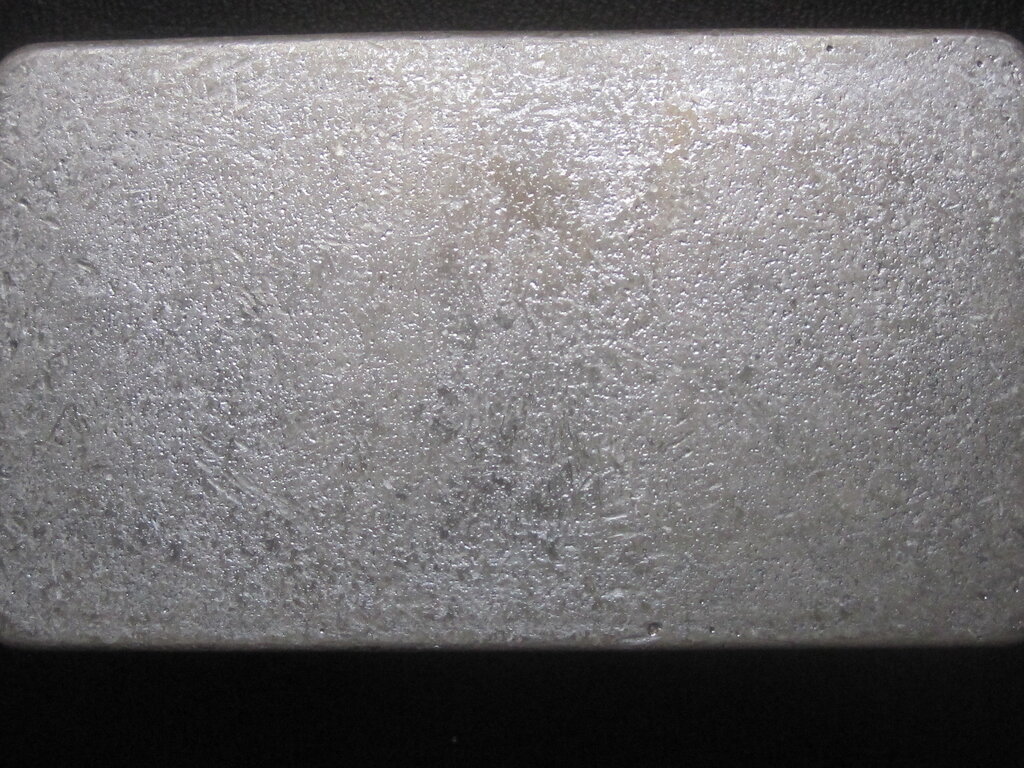
Finally, silver remains a popular investment. People buy physical silver in the form of coins and bars, or invest in financial products that track its price. It's often seen as a hedge against inflation and economic uncertainty, a way to diversify a portfolio beyond traditional stocks and bonds.
The Market's Push and Pull
The price of silver is determined by the classic economic principles of supply and demand. Understanding these forces is key to understanding the market.
Silver supply comes from two main sources: mining and recycling. Interestingly, most of the world's silver isn't found in dedicated silver mines. Instead, it's extracted as a byproduct from mining other metals like copper, lead, and zinc. This means silver production is often tied to the demand for these other industrial metals. When demand for copper rises, for example, mining activity increases, and so does the supply of silver. Recycling scrap from old jewelry, electronics, and industrial waste also contributes a significant amount to the annual supply.
Because silver is often a byproduct, its supply doesn't always respond quickly to changes in its own price.
Demand for silver is a tug-of-war between its different uses. Industrial applications account for the largest share of demand. When the global economy is strong, factories produce more goods that contain silver, pushing demand up. During economic downturns, industrial demand tends to fall.
On the other hand, investment demand often moves in the opposite direction. When investors are worried about inflation or market instability, they often flock to precious metals like silver as a “safe haven” for their money. This can drive up the price even when industrial demand is weak. Jewelry and silverware demand tends to be more stable, influenced by cultural traditions and consumer spending habits.
Silver's journey from ancient coins to modern electronics shows its enduring importance. Its price reflects a complex interplay between its historical legacy, its diverse uses, and the broader health of the global economy. This unique combination of factors is what makes the silver market so fascinating.