The Silk Road's Legacy
Origins and Development
The First Threads
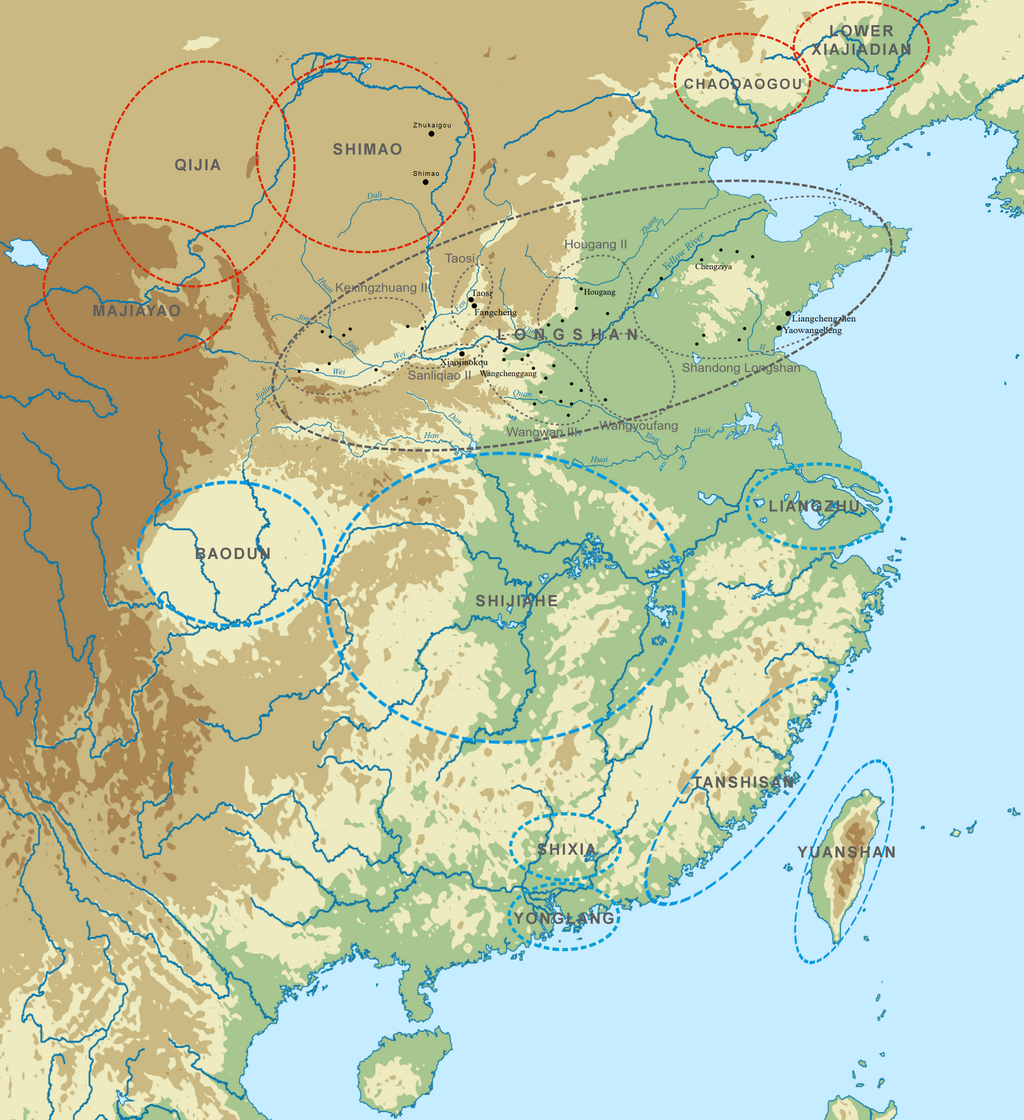
Long before a single, continuous “road” connected China to the West, a patchwork of smaller trade networks existed. For centuries, Chinese kingdoms prized jade from the oasis towns of the Tarim Basin, in modern-day Xinjiang. Nomadic tribes of the Eurasian steppe acted as early middlemen, trading horses, furs, and jade for Chinese goods.
These initial interactions were small-scale and regional. They weren't part of a grand, organized system. But they planted a seed, creating an awareness of valuable resources and distant peoples just beyond the horizon. These early exchanges proved that long-distance trade was possible, setting the stage for a much larger network to come.
A Road is Born
The formal establishment of the Silk Road began with a military mission, not a trade one. During the Han Dynasty (206 BCE – 220 CE), Emperor Wu was locked in a fierce conflict with the Xiongnu, a nomadic confederation to the north. Desperate for allies, he dispatched an envoy named Zhang Qian to the west in 138 BCE to seek an alliance with a people known as the Yuezhi.
Zhang Qian’s journey was an ordeal. He was captured by the Xiongnu and held for ten years before escaping and continuing his mission. Though he ultimately failed to secure an alliance, the information he brought back to the Han court was revolutionary. He described sophisticated civilizations in Central Asia, like those in the Fergana Valley, with powerful horses and a desire for Chinese goods.
Zhang Qian's diplomatic failure turned into a commercial triumph. His reports opened China's eyes to the world beyond its borders, sparking an era of exploration and trade.
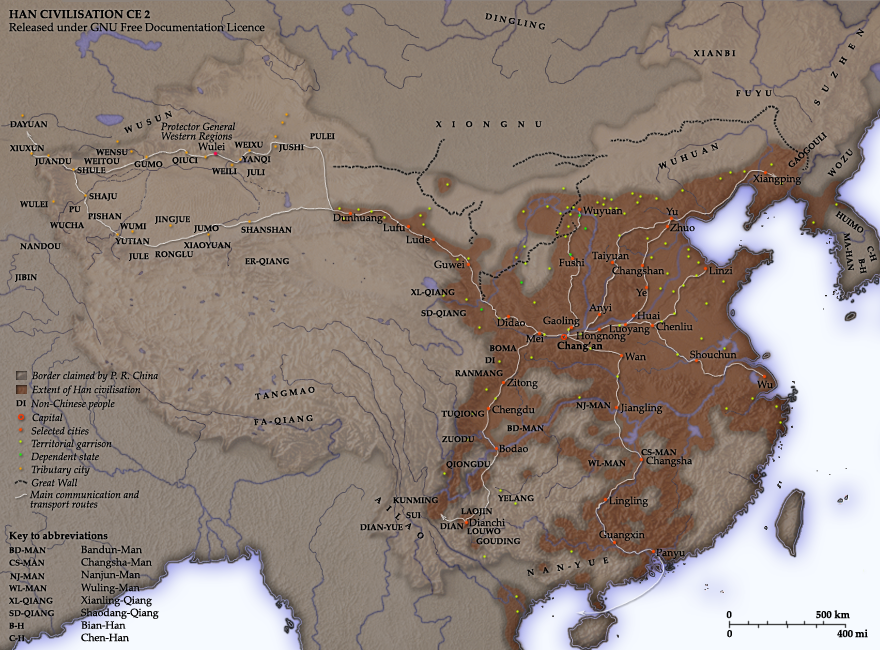
The emperor was particularly interested in Fergana's large, strong horses, which were far superior to China's native breeds and crucial for the Han cavalry. In exchange, China had a unique and highly coveted product: silk. This mutual desire laid the foundation for a more formal and protected trade route. The Han Dynasty extended its military power westward, building fortifications and garrisons to protect the caravans traveling through the dangerous Hexi Corridor.
Weaving a Wider Web
The Han Dynasty laid the groundwork, but the Silk Road truly flourished and expanded under subsequent dynasties. The Tang Dynasty (618–907 CE), in particular, is considered a golden age for the route. Tang emperors consolidated control over the Western Regions, making travel safer and encouraging a massive flow of goods, ideas, and people.
But China was only one piece of the puzzle. The Silk Road wasn't a single entity but a network that depended on many civilizations. The Parthian Empire in Persia, for instance, controlled the trade routes connecting the East with the Roman Empire. They grew immensely wealthy by acting as intermediaries, buying goods from eastern caravans and selling them at a markup to Roman traders.
Other groups, like the Kushans in northern India and the Sogdians in Central Asia, also played vital roles. The Sogdians, in particular, were master merchants. Their language became the lingua franca of the eastern Silk Road, and their communities could be found in trading posts all the way from Samarkand to China’s capital, Chang'an. These intermediary cultures didn't just pass goods along; they controlled key oases, provided supplies for caravans, and managed the complex logistics of long-distance trade.
The expansion of the Silk Road during the Han Dynasty facilitated extensive cultural exchange and trade between China and the outside world.
Now, let's test your knowledge of how this incredible network got its start.
What was the Han Dynasty's primary motivation for sending the envoy Zhang Qian west, which ultimately led to the formal establishment of the Silk Road?
The information Zhang Qian brought back to China revealed a specific, highly-valued resource from the Fergana Valley that Emperor Wu desperately wanted for his military. What was it?
The Silk Road was never just one road. It was a dynamic network of paths, shaped over centuries by the ambitions of empires, the skills of merchants, and the universal desire for connection and commerce.