The Shifting Landscape of US Legal Work
Introduction to the Legal Profession
The People in the System
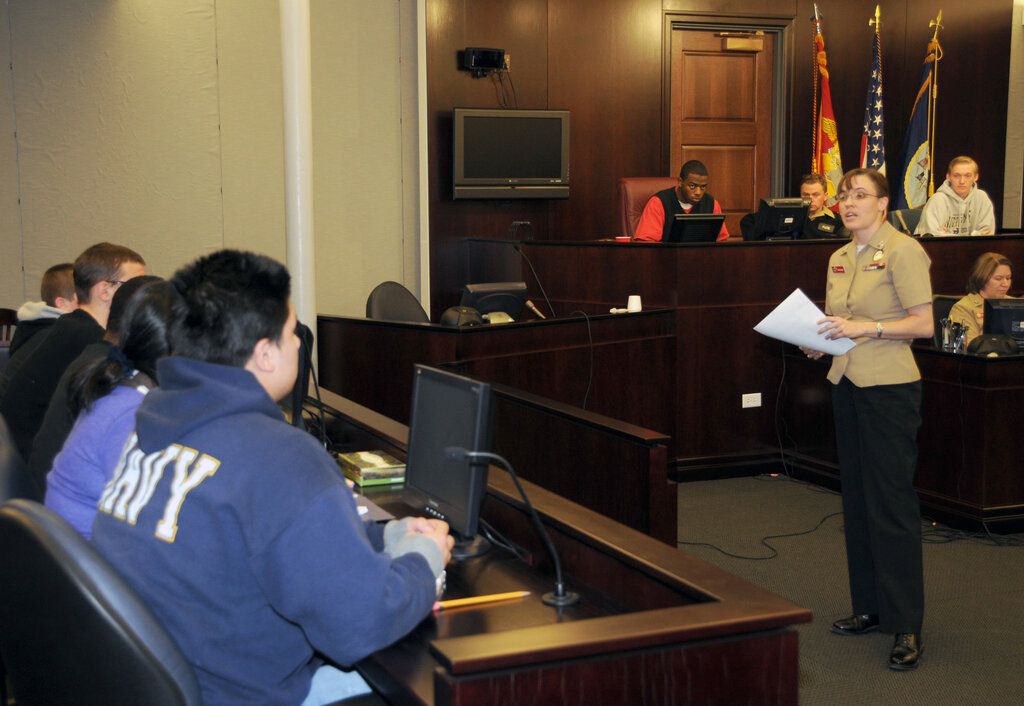
The legal world is filled with professionals who play distinct and crucial roles. While you might picture a dramatic courtroom scene from a movie, the daily work of these individuals is often more about research, writing, and advising.
Attorney
noun
A person appointed to act for another in business or legal matters. Also known as a lawyer, an attorney is licensed to practice law.
Attorneys, or lawyers, are the primary advocates and advisors. They represent clients in criminal and civil trials, but they also handle transactions, draft contracts, and provide legal counsel to prevent problems before they start. To become an attorney, a person must graduate from law school and pass a rigorous state licensing exam called the bar exam.
Working alongside them are paralegals. They are essential to a legal team, performing tasks like researching case law, drafting documents, and organizing evidence. A paralegal's work allows attorneys to focus on the more complex aspects of a case. However, they cannot give legal advice or represent clients in court.
Presiding over the legal process is the judge. A judge is an impartial public official who ensures that legal proceedings are conducted fairly and in accordance with the law. They rule on motions, instruct juries, and, in cases without a jury, decide the final outcome. Judges can be appointed or elected, depending on the jurisdiction.
Where the Law Happens
The United States has a dual court system, which means it has two separate structures: federal and state. Most legal issues that people encounter, like traffic violations, family disputes, and most criminal cases, are handled in state courts.
Each state has its own judicial system, but they typically have a similar structure. It starts with trial courts, where cases are first heard and evidence is presented. If one party is unhappy with the outcome, they can appeal to a higher court, known as an appellate court. The final level is the state supreme court, which is the ultimate authority on state law.
Federal courts handle cases that involve the U.S. Constitution, federal laws, or disputes between states. Like the state system, it has trial courts (District Courts), appellate courts (Circuit Courts), and the highest court, the U.S. Supreme Court. The Supreme Court is the final arbiter of the law and has the power to decide appeals on all cases brought in federal court or those brought in state court but dealing with federal law.
Most lawyers work in law firms, which can range from a single attorney to thousands across the globe. These firms are the businesses that provide legal services to individuals and corporations.
The Rules of the Game
To ensure fairness, the legal system operates on a set of fundamental principles. These concepts are the bedrock of American justice.
The rule of law is the idea that everyone, including the government, is subject to the law and accountable under it. It means that laws are clear, public, stable, and applied evenly. No one is above the law.
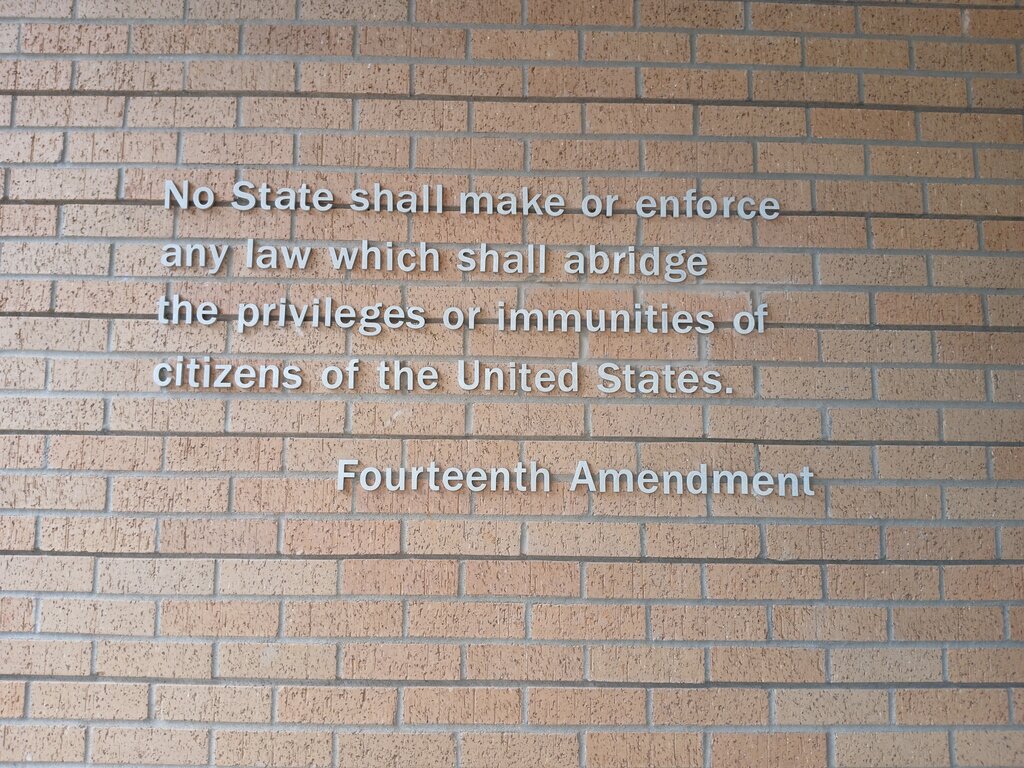
Another core principle is due process. This is a guarantee that all legal proceedings will be fair. It has two main parts: procedural and substantive. Procedural due process means a person must be given notice and an opportunity to be heard before the government takes away their life, liberty, or property. Substantive due process protects certain fundamental rights from government interference, even if the proper procedures are followed.
Finally, the U.S. uses an adversarial system of justice. In this system, two opposing sides (the prosecution and defense in a criminal case, or plaintiff and defendant in a civil case) present their arguments and evidence before a neutral decision-maker, either a judge or a jury. The theory is that the truth is most likely to emerge from this contest between opposing viewpoints.
These roles, structures, and principles work together to form the complex and vital framework of the American legal profession.
What is the primary difference in the roles of an attorney and a paralegal?
A case involving a local traffic violation would initially be heard in which court?