The Science of Water Foam
Surface Tension Limitations
Water's Bubble Paradox
Water has famously high surface tension. You've seen it bead up on a waxy leaf or hold its dome shape on top of a full glass. So, why can't you blow a lasting bubble with pure water? It pops almost instantly. The answer is a paradox: water's greatest strength is also its greatest weakness when it comes to making foam.
The problem isn't forming the bubble; it's sustaining it. The powerful attraction between water molecules, known as cohesion, pulls them tightly together. This force is so strong that it relentlessly tries to minimize the liquid's surface area. A sphere is the most efficient shape for enclosing a volume with the least surface area, which is why a water droplet is round. But a bubble film is a huge, stretched-out surface. For pure water, this is an unstable, high-energy state it wants to escape immediately.
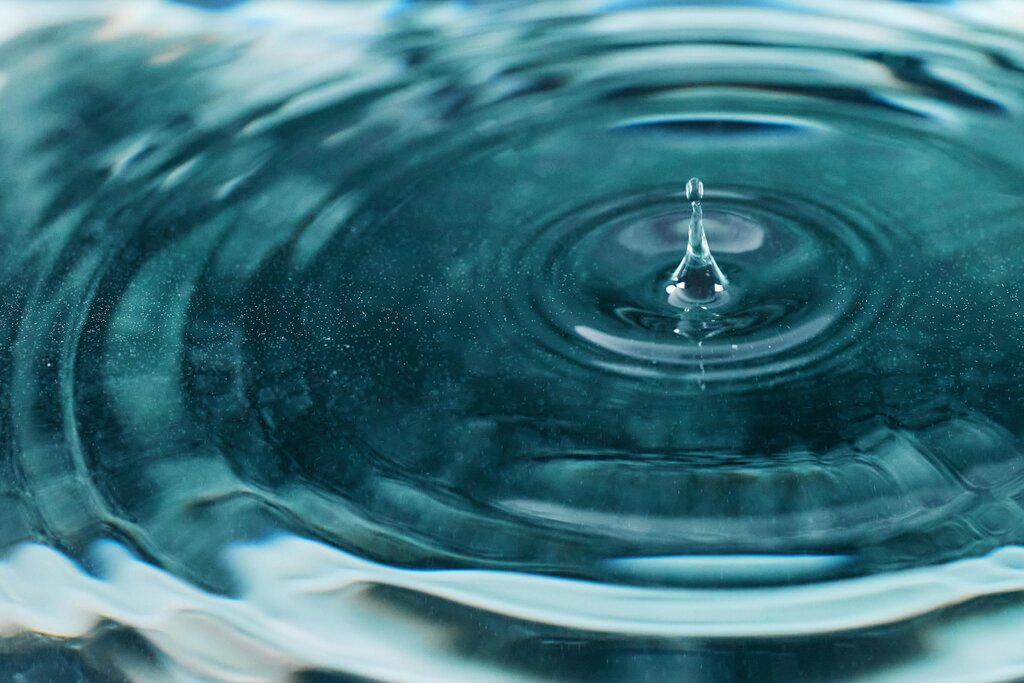
The Energy Cost of a Film
From a thermodynamics perspective, every surface has an associated energy. Creating more surface area costs energy. Think of it like stretching a rubber sheet—it takes effort to pull it apart. This is governed by a property called . Because water molecules are so strongly attracted to each other, water has a very high surface energy. The vast, thin film of a bubble represents a massive increase in this energy compared to a simple droplet.
Pure water molecules want one thing: to be as close to as many other water molecules as possible. A bubble film is the exact opposite of that goal.
Without anything to stabilize this high-energy state, two things happen very quickly. First, gravity pulls the water down the sides of the bubble, thinning the wall at the top. Second, the strong cohesive forces cause the water molecules to pull inward, away from the air interface, rapidly collapsing the film. The result is a pop in less than a second.
Why Bubbles Need Impurities
For a bubble to be stable, you need to counteract this self-destructive tendency. You need something that reduces the surface tension just enough and, more importantly, provides a structure that prevents the water from draining and the film from collapsing. This is where come in.
Molecules like soap or detergent act as stabilizing agents. They arrange themselves at the air-water interface, getting in the way of the water molecules and weakening their cohesive pull. They effectively prop the surface open, lowering the energy cost of the film and slowing down drainage. Without these essential 'impurities', a stable foam is impossible.
Let's check your understanding of these concepts.
What is the primary reason pure water cannot form a stable, lasting bubble?
From a thermodynamics perspective, a bubble film is considered a high-energy state for pure water because...
This inherent instability in pure liquids explains why the foams we see in daily life, from dish soap to sea foam, all rely on a third component to hold them together.