The Science of Team Science
Introduction to Team Science
What is Team Science?
Many of the world's most pressing problems, from climate change to disease, are too big for any single person or discipline to solve. They require experts from different fields to come together, share their knowledge, and create something new. This collaborative approach is the core of team science.
science
noun
The intellectual and practical activity encompassing the systematic study of the structure and behavior of the physical and natural world through observation and experiment.
Team science is the study of how scientific teams organize, communicate, and collaborate to achieve shared goals. It's not just about putting smart people in a room; it's a field of study focused on understanding and improving the process of collaborative research itself. Think of it as the science of how science gets done in groups.
The goal is to move beyond what any single individual can accomplish alone, fostering breakthroughs by integrating diverse perspectives.
This approach is built on the idea that combining different viewpoints and skills leads to more robust and innovative solutions. A biologist, a data scientist, and a sociologist working together on a public health issue will see the problem from unique angles, leading to insights none would have reached on their own.
A Brief History
Collaborative research isn't a new idea. For centuries, scientists have corresponded and worked together. However, the scale and complexity of collaboration have changed dramatically. In the mid-20th century, large-scale government projects like the Manhattan Project brought together physicists, chemists, and engineers in an unprecedented way. This marked a shift from the lone genius model to large, coordinated research teams.
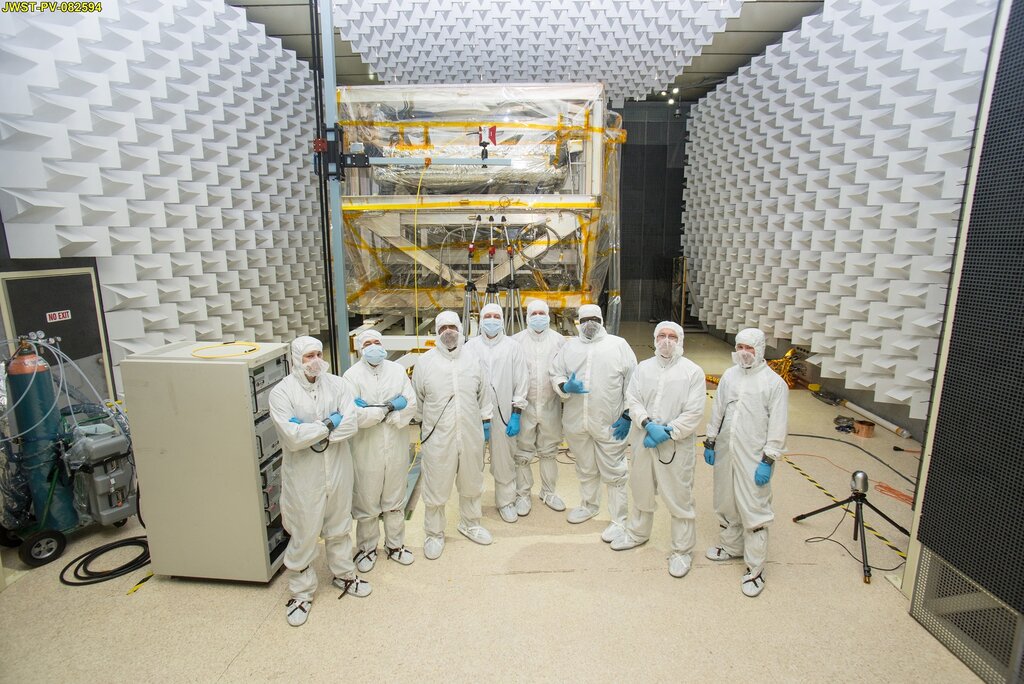
By the late 20th and early 21st centuries, this trend accelerated. The Human Genome Project, for instance, involved thousands of researchers from across the globe. The rise of the internet made it easier for these vast networks to communicate and share data. Today, team science is essential for tackling complex systems, whether it's understanding the human brain, modeling climate change, or developing artificial intelligence.
Guiding Theories
Team science isn't just a practical strategy; it's grounded in several theoretical frameworks that help explain why and how it works. These ideas come from fields like sociology, psychology, and organizational management.
One key idea is Social Network Theory, which looks at the relationships between individuals in a group. It helps us understand how information flows and how collaborations form. Another is Complexity Theory, which is useful for studying systems with many interconnected parts, like a large research project. Finally, principles from Organizational Psychology provide insights into group dynamics, leadership, and what makes a team effective.
The Power of Many Disciplines
The real power of team science comes from interdisciplinary collaboration. This is when researchers from distinct fields work together on a common problem. Bringing different perspectives to the table is crucial for innovation. An engineer might see a solution a biologist would miss, and a social scientist can provide context that both might overlook.
By integrating science with other disciplines, we can make science more meaningful and impactful for students, helping them see the relevance of what they are learning.
For example, developing a new medical device requires more than just technical skill. It needs input from doctors who will use it, patients who will benefit from it, and economists who can assess its financial viability. Each discipline brings a unique set of tools, methods, and ways of thinking. When integrated, these diverse approaches create a more complete and effective solution.
Let's check your understanding of these core concepts.
What is the primary focus of the field of 'team science'?
According to the text, which event marked a significant historical shift towards large, coordinated research teams?
Building a strong foundation in these concepts is the first step toward understanding how collaborative science works.