The Science of Sweet Baking
Ingredient Functions
The Building Blocks of Baking
Baking is a delicious form of chemistry. Every ingredient in a recipe has a specific job to do, and understanding these roles is the key to becoming a better baker. When you know why you're adding something, you can troubleshoot problems and even start creating your own recipes. Let's look at the four main players: flour, fats, sugars, and leaveners.
Think of baking as a science.
Each component interacts with the others to create the final structure, flavor, and texture. Change one, and you change the result. It's a delicate balancing act.
Flour The Foundation
Flour provides the primary structure for most baked goods. Think of it as the framework for a house. When you mix wheat flour with water and knead it, two proteins called gliadin and glutenin link together to form an elastic network.
gluten
noun
An elastic protein network formed when flour is mixed with water. It traps gas and provides structure and chewiness to baked goods.
This network, called gluten, is what gives dough its stretchy quality. As the dough bakes, this network traps gases produced by leaveners, allowing the bread or cake to rise. The gluten then sets, giving the final product its shape and a satisfying chew.
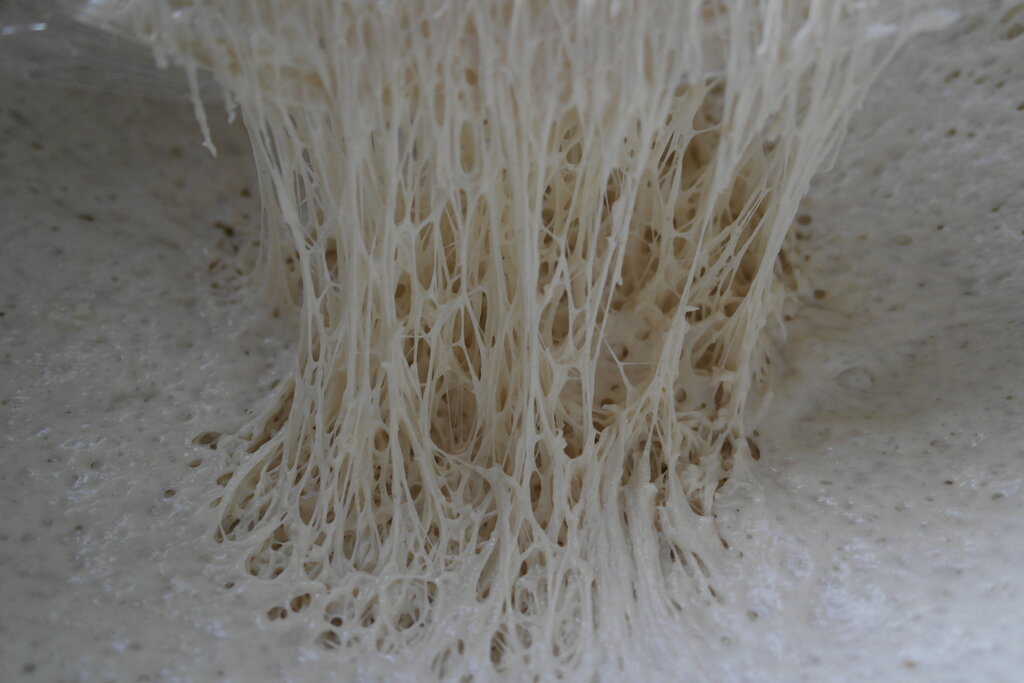
Not all flours are the same. The amount of protein in a flour determines how much gluten can be formed. More protein means a stronger, chewier structure, while less protein results in a finer, more tender crumb.
| Flour Type | Protein Content | Best For |
|---|---|---|
| Cake Flour | 7-9% | Tender cakes, biscuits |
| All-Purpose | 10-12% | Cookies, muffins, quick breads |
| Bread Flour | 12-14% | Chewy breads, pizza dough |
Sweetness and Texture
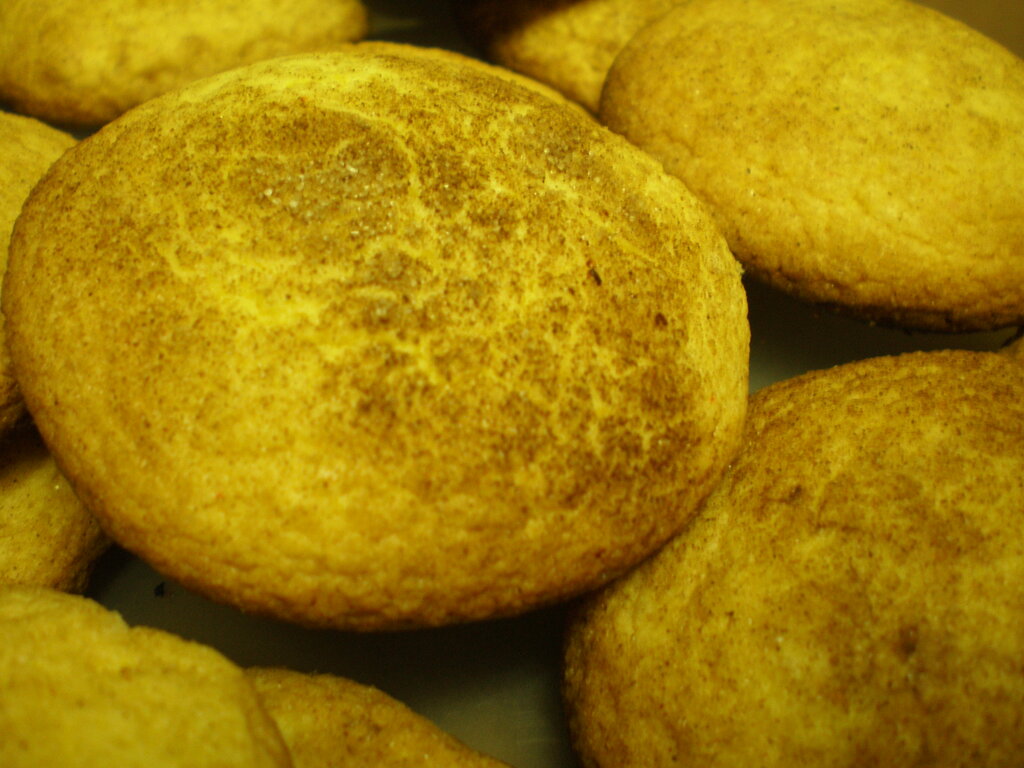
Sugar does more than just make things sweet. It plays several critical roles in texture and appearance. One of its most important jobs is to create that beautiful golden-brown color on baked goods. This happens through two processes: caramelization, where sugar itself browns under heat, and the Maillard reaction, a chemical reaction between amino acids and reducing sugars that creates deep flavor and color.
The Maillard reaction is responsible for the distinct flavor of everything from seared steaks to toasted bread.
Sugar is also a tenderizer. It's hygroscopic, meaning it attracts and holds onto water. This keeps baked goods moist. It also gets in the way of gluten development by competing with flour for water, resulting in a softer, less chewy product. In cookies, sugar melts and spreads, affecting their final size and texture. More sugar often means a thinner, crisper cookie.
Fats and Leaveners
Fats like butter, oil, and shortening are essential for creating tenderness. They do this by coating flour particles and shortening the strands of gluten, which is where the term "shortening" comes from. This process weakens the gluten network, preventing the final product from becoming tough.
While the eggs and flour build up the sturdy gluten structure, the fat and sugar weakens it to keep cakes tender and soft.
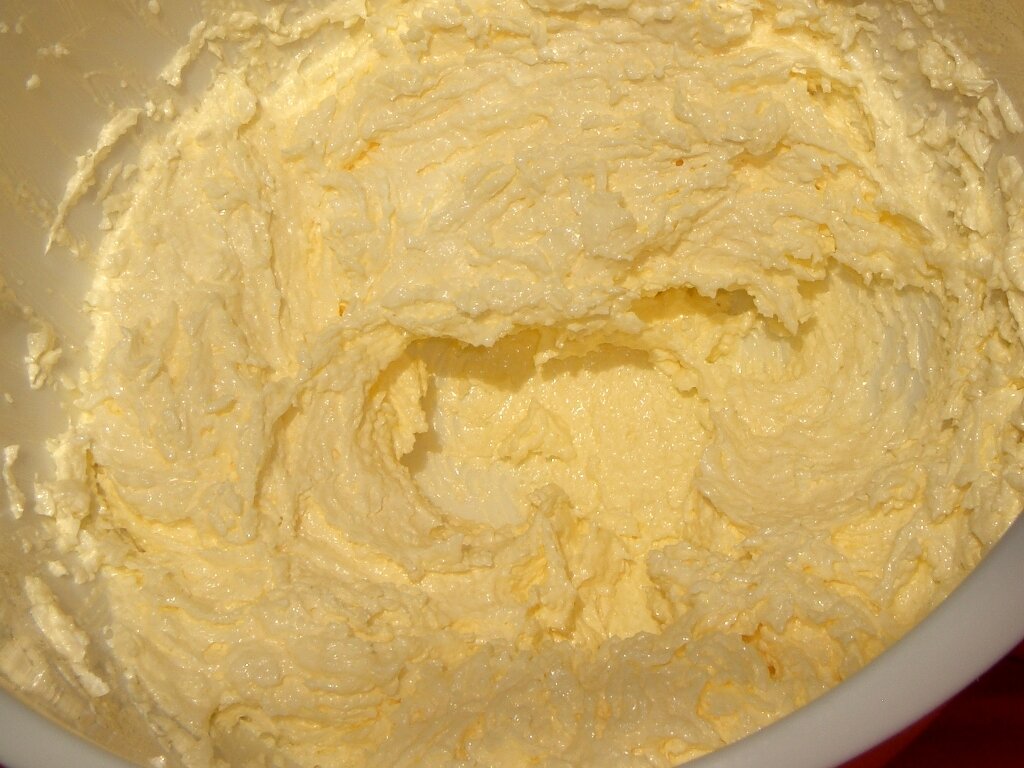
Fats also add flavor and contribute to leavening. In the creaming method, where butter and sugar are beaten together, tiny air pockets are incorporated into the mixture. These pockets expand when heated, helping the cake or cookie rise.
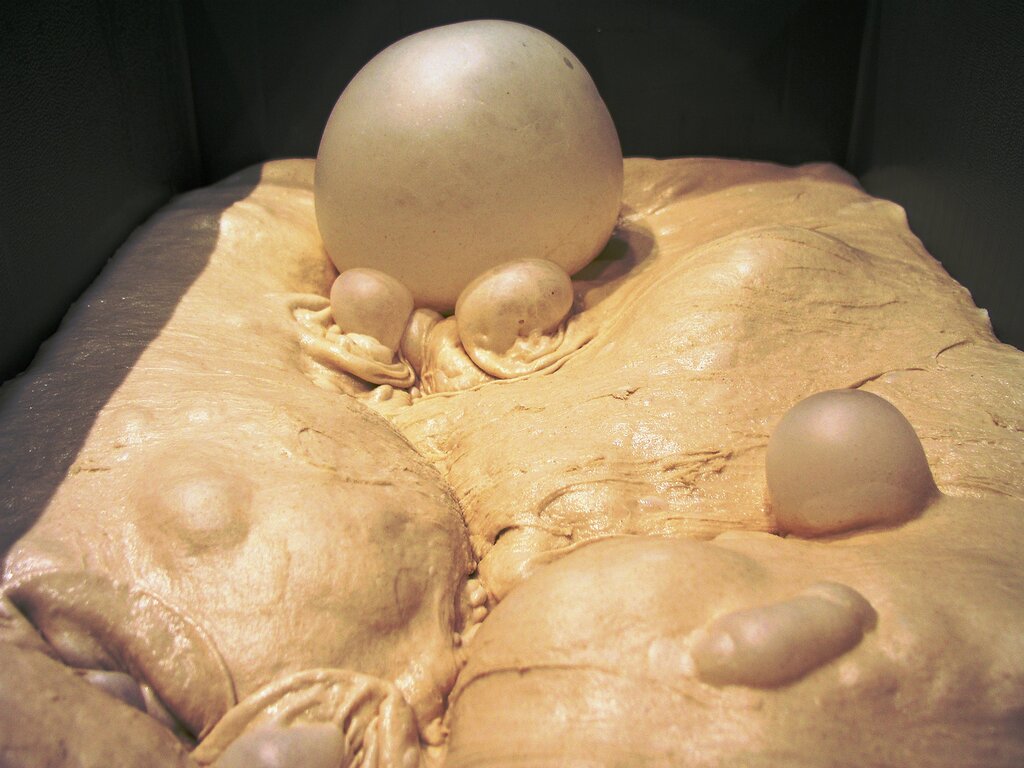
Finally, leavening agents are what give baked goods their lift. They create gas bubbles in the dough or batter, which expand during baking.
- Yeast: A living organism that consumes sugars and produces carbon dioxide gas and alcohol. This is a slow, biological process that also adds complex flavor.
- Baking Soda: A chemical leavener (sodium bicarbonate) that is alkaline. It reacts with an acid in the batter (like buttermilk, lemon juice, or brown sugar) to produce carbon dioxide gas instantly.
- Baking Powder: A convenient mix of baking soda, a powdered acid (like cream of tartar), and a starch to absorb moisture. Because it contains its own acid, it only needs moisture and heat to react. Many are "double-acting," releasing some gas when mixed and the rest when heated.
Understanding these functions allows you to see a recipe not just as a list of instructions, but as a balanced formula where every ingredient works in harmony.
Time to check your understanding of these core components.
What is the primary function of the gluten network in dough?
A cookie recipe calls for creaming butter and sugar together until light and fluffy. What is the main purpose of this step in terms of leavening?
By mastering the roles of these key ingredients, you've taken a huge step toward becoming a more intuitive and confident baker.